Homeowners
Plain-language cost guides for homeowners: repair versus replace, running costs by state, safety, and how to read an HVAC contractor’s quote.
-
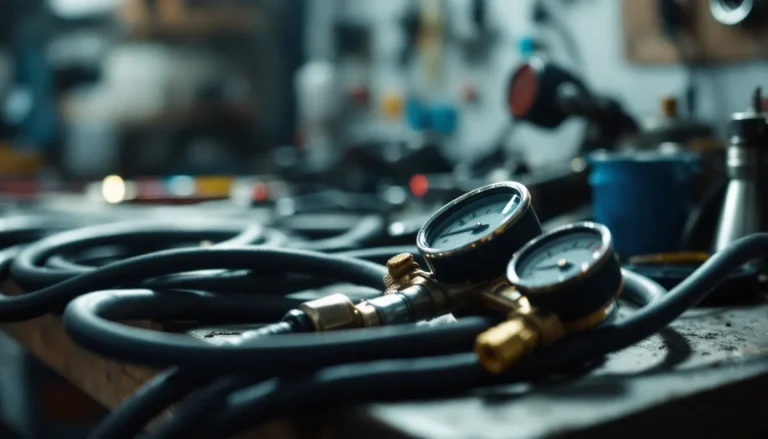
What Is Refrigerant, and Why Freon Is Not the Answer
Refrigerant is the working fluid that moves heat out of your house. Freon is a DuPont brand name applied to several chemicals, so it identifies nothing. Here is…
-
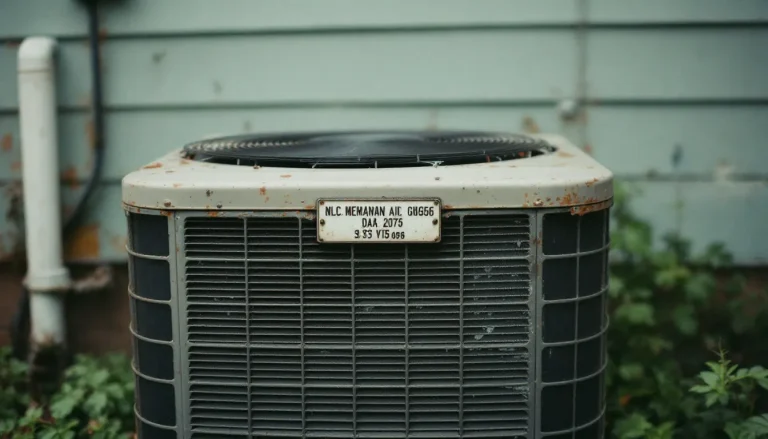
Can You Still Get R-22? What Ended and What Did Not
R-22 has not been produced or imported since January 1, 2020, so what remains is reclaimed. Servicing is still legal, and the constraint is different from the R-410A…
-

MERV Ratings: Why the Highest Filter Is Not the Best Filter
Filtration and airflow pull against each other. A one inch filter at a high MERV rating is where problems concentrate, because area is small and restriction is high.
-
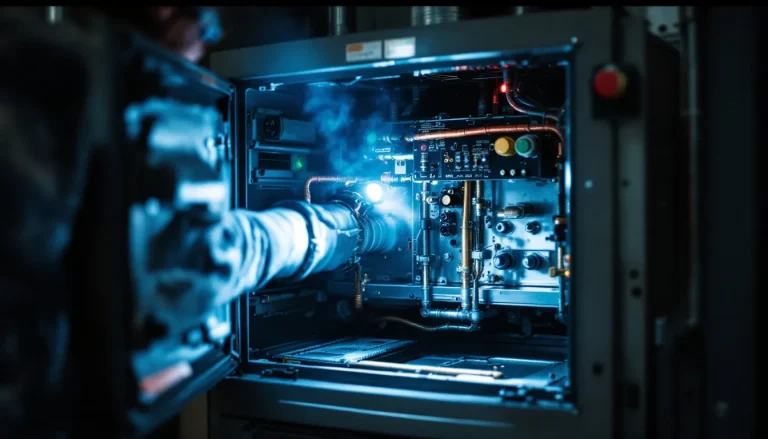
Why a Furnace Will Not Ignite: The Sequence and Where It Stops
Most no-heat calls are the furnace correctly refusing to run. The ignition sequence has six interlocks, and knowing which one stopped tells you whether it is a filter…
-

Why Your House Is Cold but Humid (and Why a Bigger AC Makes It Worse)
Dehumidification is a function of run time, not capacity. A system that cools quickly and shuts off leaves the house clammy, which is why adding capacity to a…
-

Why Single-Hose Portable Air Conditioners Underperform
A single-hose portable exhausts conditioned room air outdoors, which pulls unconditioned air in through every gap to replace it. That is design, not defect, and dual-hose units avoid…
-
How American Homes Are Heated: The Fuel and Equipment Mix
Natural gas is the main heating fuel in 62.71 million US homes and electricity in 42.57 million. Heat pumps hold 13.1% of the stock while taking near half…
-
What Ventilation Actually Means in HVAC (and What It Does Not)
Circulation, filtration and air exchange get called the same thing. Only one is ventilation. Why a denser filter does nothing for fresh air, and why tighter construction made…
-
How Thermostats Actually Work, and What They Cannot Do
A thermostat controls whether the system runs, not how hard. On single stage equipment, setting it lower does not cool faster, it only extends run time. Placement matters…
-
AC Leaking Water or Blowing Warm Air: What Each Symptom Means
Water pooling indoors is a condensate drainage problem, not refrigerant: refrigerant leaves a system as gas. The distinct mechanisms behind each symptom and which are owner fixable.