Equipment
Heat pumps, furnaces, air conditioners, boilers and water heaters: how they work, what they cost, how long they last and which efficiency standards apply.
-
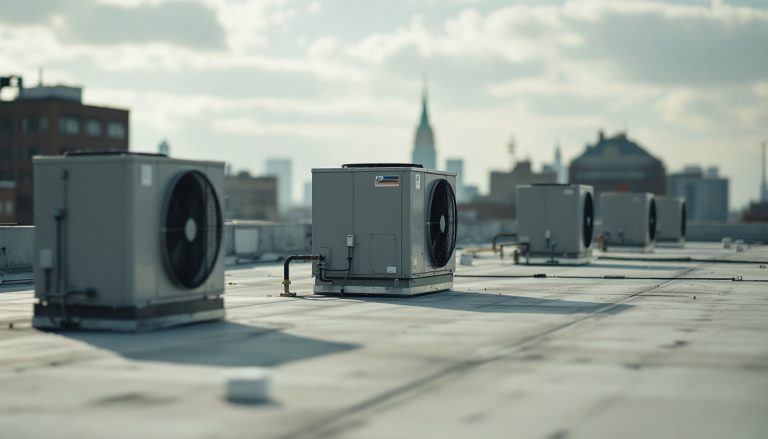
Commercial HVAC vs Residential: The Three Real Differences
Rooftop packaged units, ventilation set by code rather than by leakage, and a 15-pound refrigerant charge threshold that decides which leak rules apply to you.
-
UV Lights and Air Purifiers: The Questions Marketing Skips
Performance claims for in-duct UV and add-on air cleaners come from manufacturer testing that no federal agency verifies. What each category does, and what to ask before buying.
-
AC Running but Not Cooling: Work It Out in Three Steps
Most guides list seven causes in no order. This one routes by what you can actually observe at the vent, which separates a refrigerant problem from an airflow…
-
Single Stage, Two Stage and Variable Speed: What Changes
Single stage is off or full. Variable capacity modulates continuously. The practical difference is run time, and run time is what determines whether a house feels comfortable or…
-
HVAC Noises: Which Ones Mean Shut It Off Now
Normal systems make sound; a change in sound is the signal. Two noises warrant shutting the system down immediately, and one of them is a combustion safety concern…
-
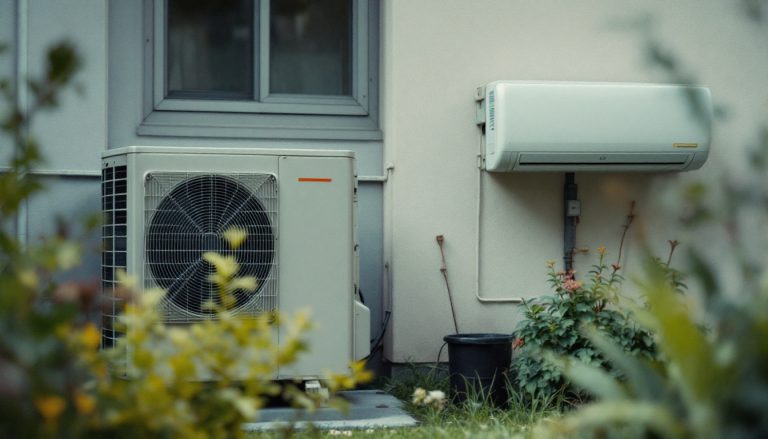
The Five Types of Air Conditioning, and How to Choose
Five forms of residential cooling, rated on two incompatible efficiency scales. Whether the house has usable ductwork is almost always the deciding factor.
-
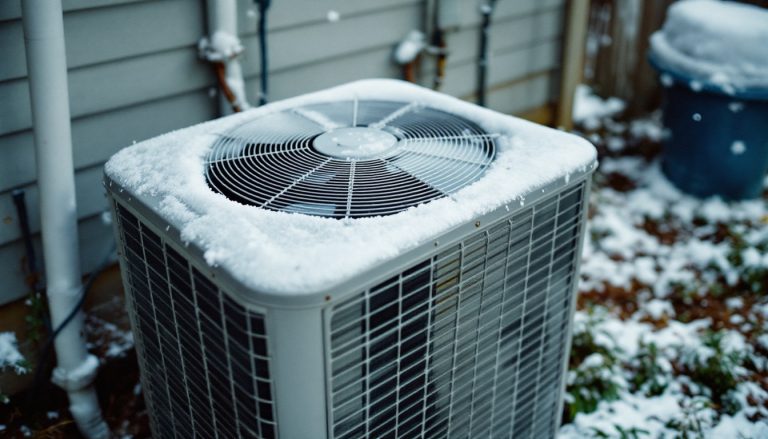
How a Heat Pump Works, and Why It Beats 100% Efficiency
A furnace cannot exceed the energy in its fuel. A heat pump routinely exceeds its electrical input because it transports heat rather than generating it. How the cycle…
-
What HVAC Smells Mean, and Which One Is an Emergency
Musty is a maintenance problem, electrical burning is a service call, and rotten egg means leave the building and call the utility. Sort the smell before troubleshooting it.
-
HVAC Zoning Systems: What They Fix and What They Cannot
Zoning splits one ducted system into separately controlled areas. It solves uneven temperatures, but it also raises static pressure when dampers close, so it can make marginal ductwork…
-
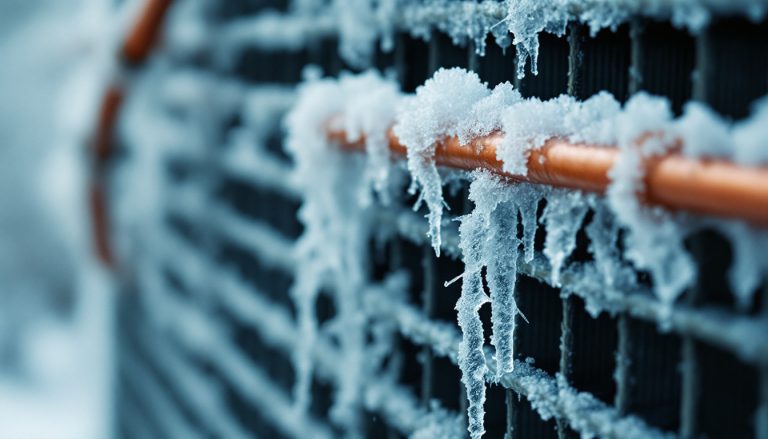
Why an AC Freezes Up: Two Causes, and How to Tell Them Apart
Two causes only: not enough air across the coil, or not enough refrigerant in it. One is often owner-fixable and the other never is, which is why telling…