Equipment
Heat pumps, furnaces, air conditioners, boilers and water heaters: how they work, what they cost, how long they last and which efficiency standards apply.
-
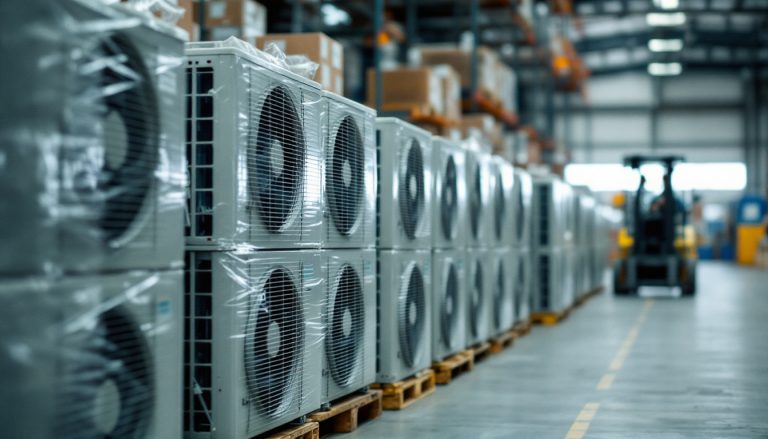
Heat Pumps Were 45% of July HVAC Shipments
Heat pumps took 45.1% of July shipments. Year to date the industry has shipped 126,433 fewer units than in 2024 but 142,854 more heat pumps, so the category…
-
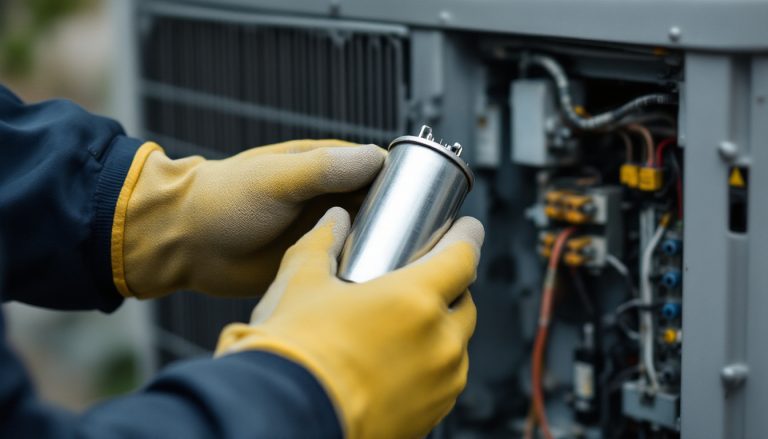
HVAC Capacitor: What It Does and How It Fails
A capacitor is one of the cheapest parts in an air conditioner and one of the most common failures. What it does, the types, how failure shows up,…
-
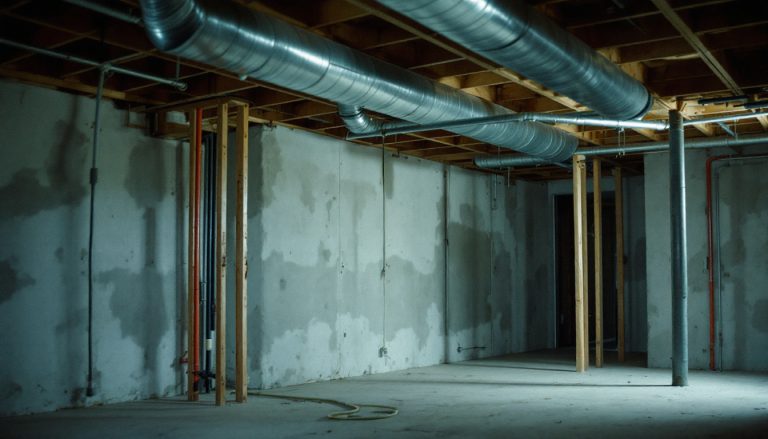
What Is Central Heating? Forced Air, Boilers and Heat Pumps
In the US, central heating usually means a forced-air furnace, the main system in 74.42 million homes. How it works, what fuel it uses, federal minimums and how…
-
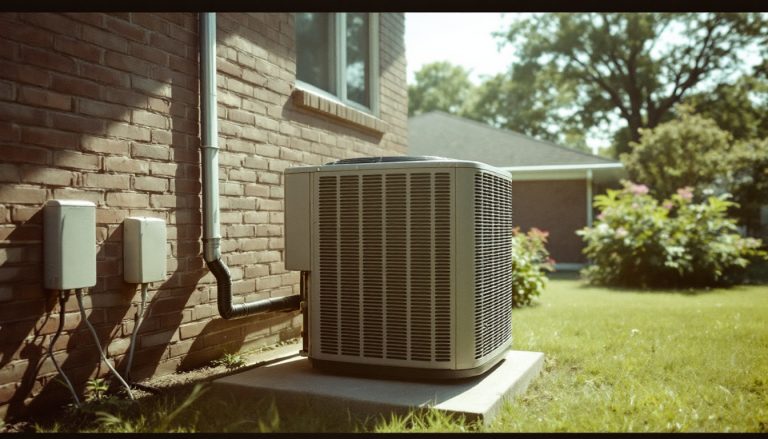
What Is Central Air? How It Works and Who Has It
Central air is the main cooling system in 82.69 million US homes. How the cycle works, the parts, whether it uses gas, and the federal SEER2 minimums by…
-
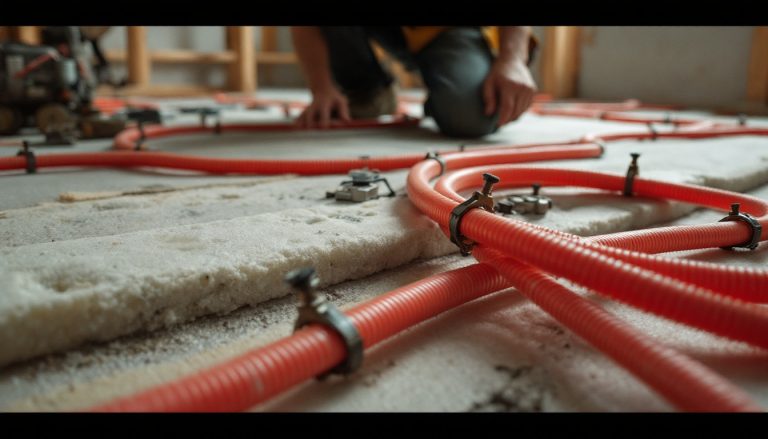
Radiant Floor Heating: Hydronic vs Electric, by the Numbers
Hydronic, electric and radiant air floors compared: what DOE’s guidance says about efficiency, running cost by heat source, the best floor coverings and the drawbacks.
-
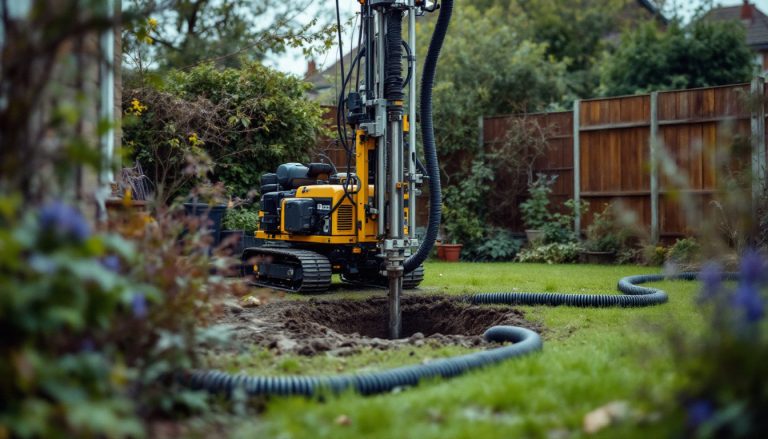
Geothermal Heat Pumps: Loops, Ratings and the Ended Credit
How geothermal heat pumps work, the four loop types, ENERGY STAR efficiency minimums, DOE’s lifespan estimates, and the IRS rule that ended the 30% credit after 2025.
-

Do Attic Fans Work? It Depends on Your Ceiling
A powered fan pulls air out of the attic, and where the ceiling below leaks, some of it is conditioned air from the house. Seal the ceiling and…
-

Before the Heating Season: Two Safety Checks, Then the Rest
Two checks carry a safety consequence and the rest are comfort. Timing matters more than the list: a fault found in October is a repair, the same fault…
-
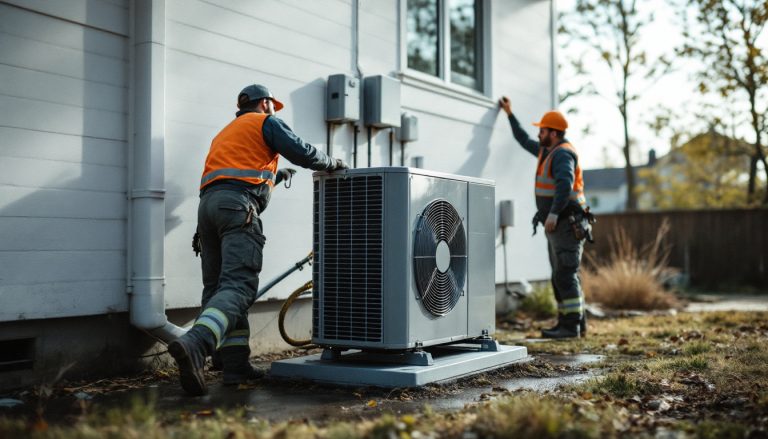
What Should Happen on HVAC Installation Day
Most of what separates a good installation from a poor one is invisible once the panels go back on. The seven steps that should happen, and the one…
-
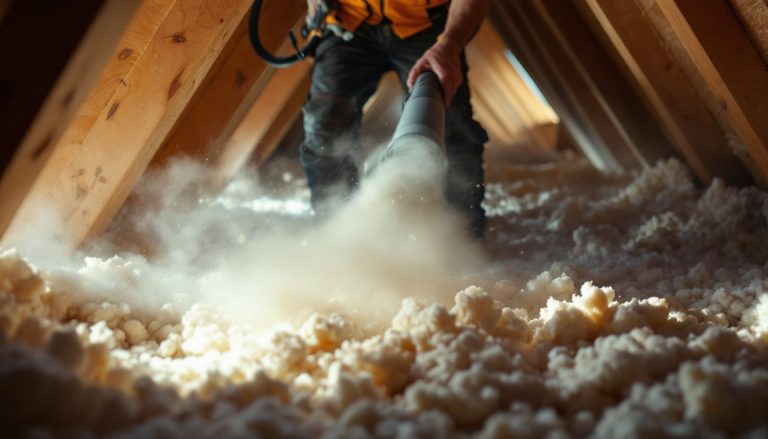
Insulate First, Then Size the System. Not the Other Way Round.
Envelope work is the only intervention that makes a smaller system correct rather than a compromise. Doing it after the equipment converts a right-sized system into an oversized…