Last reviewed: September 2026 · By the HVAC Brief Editorial Team · Our sourcing and editorial standards
The two checks worth doing before the heating season are the ones with a safety consequence: combustion venting and carbon monoxide alarms. Everything else on a seasonal list is comfort and efficiency.
Timing matters more than the list. A fault found in October is a scheduled repair; the same fault found in January is an emergency call in the week everyone else is also calling.
This is a task list, not a servicing interval. Our separate piece covers what the evidence actually supports on frequency, which is less than most service plans imply.
The safety items
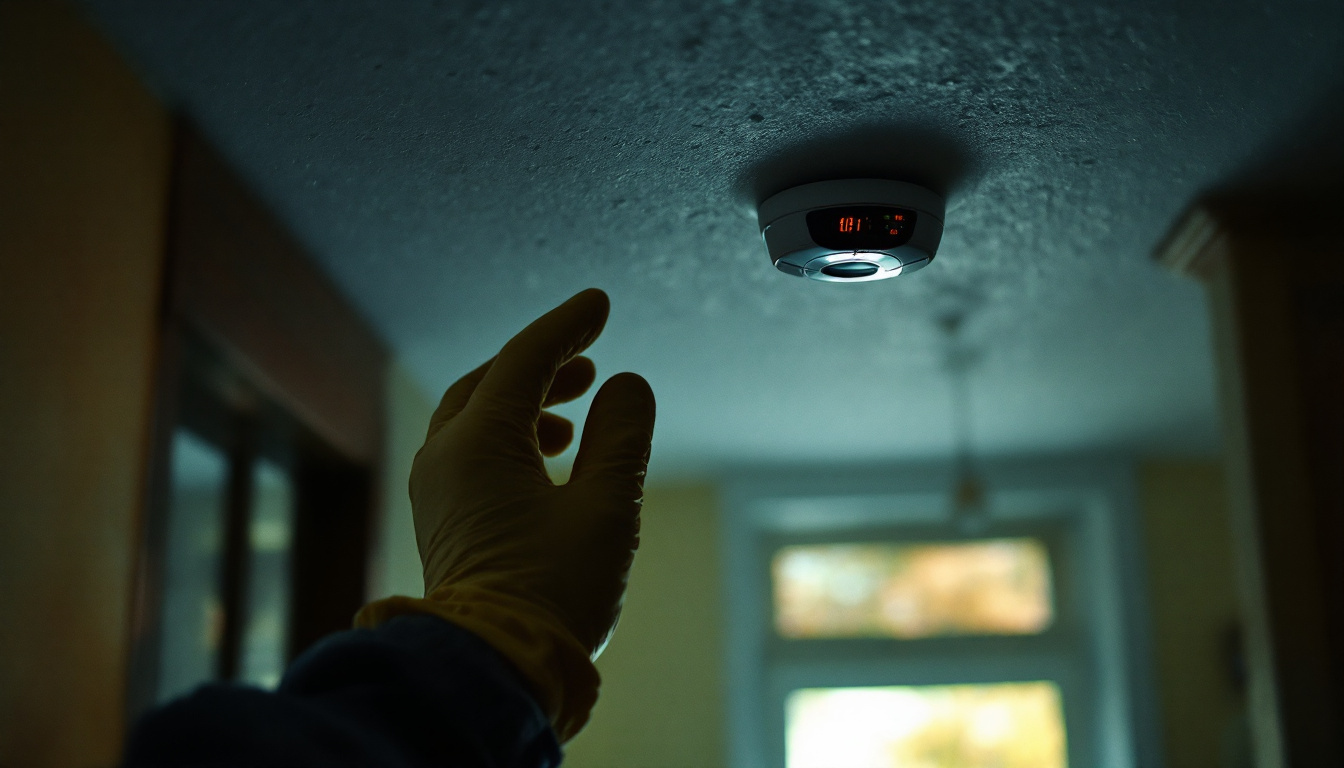
- Test carbon monoxide alarms and check their expiry date. Sensors age out, and an alarm past its service life is a decoration.
- Check the flue terminal is clear. Sidewall-vented condensing equipment can be blocked by snow, nests or debris, and a blocked flue stops the pressure switch proving draught. See how that shows up.
- Look for signs of a venting problem. Soot, corrosion at the flue connection, or condensation on windows when the furnace runs.
- Note any smell. Rotten egg or sulphur means leave and call the gas utility. See how to sort HVAC smells.
The comfort and efficiency items
| Task | Why | Owner or technician |
|---|---|---|
| Replace the filter | Restricted airflow causes overheat cutouts and short cycling | Owner |
| Run the heat before you need it | Finds faults in October rather than January | Owner |
| Clear registers and returns | Furniture and rugs restrict airflow | Owner |
| Check thermostat mode and batteries | Common cause of a no-heat call | Owner |
| Clear the outdoor unit for heat pumps | Heat pumps need airflow across the coil in heating too | Owner |
| Static pressure and combustion check | Requires instruments | Technician |
Dust settled on the heat exchanger over the cooling season burns off at first use and typically clears within minutes. A burning smell that persists, or smells acrid, electrical or like hot plastic, is a different matter: shut the system down and have it inspected.
What the season looks like going in
Equipment producer prices set a series high in August 2026, and gas furnace shipments were down 6.2% year to date through June. Our season preview sets out where the published indicators stand. The practical read is that an emergency replacement this winter is a worse bargain than a planned one.
Frequently asked questions
What should I check before winter?
Two safety items first: test carbon monoxide alarms and check their expiry date, and confirm the flue terminal is clear of snow, nests and debris. Then run the heat before you need it, replace the filter, clear registers and returns, and check thermostat mode and batteries.
Why does my furnace smell when I first turn it on?
Dust that settled on the heat exchanger during the cooling season burning off, which typically clears within minutes. A persistent burning smell, or one that is acrid, electrical or like hot plastic, is different and warrants shutting the system down and having it inspected.
Do heat pumps need seasonal preparation too?
Yes, and the outdoor unit matters in winter as well as summer. A heat pump extracts heat from outdoor air, so airflow across the outdoor coil is required in heating mode. Keep the unit clear of vegetation, drifted snow and stored items.
Should I book a service before winter?
The instrument-based checks, combustion analysis and static pressure, require a technician. Whether an annual visit is warranted is a separate question from whether these seasonal checks are, and the evidence on servicing intervals is weaker than most service plans suggest.
Methodology and limitations
This page separates safety items from comfort items. We publish no service interval recommendation, as no federal source sets or measures one.
- Combustion safety concerns are not maintenance items and should not be deferred.
- Manufacturer warranty terms may require documented maintenance, which is contractual rather than regulatory.
- Nothing here is engineering or safety advice for a specific system.
The HVAC Brief is an independent trade publication. We do not sell equipment, take manufacturer advertising, or accept payment for placement in our research. Corrections welcome.
Leave a Reply