Original data and independent reporting for the HVAC trade

Category: Homeowners

Cost guides, repair versus replace, and how to read a quote.

  • Smart Thermostat Installation: Wiring and Compatibility

    Smart Thermostat Installation: Wiring and Compatibility

    Last reviewed: September 2026 · By the HVAC Brief Editorial Team · Our sourcing and editorial standards

    The short answer

    Most smart thermostats need a C wire, a common wire that supplies continuous power, and that is the single thing that decides whether the install takes twenty minutes or needs an electrician.

    Adoption is still low. EIA’s residential survey counted 12.78 million US homes with a smart or internet-connected thermostat, against 52.59 million with a programmable one and 44.08 million with a non-programmable one.

    11.7%Of homes with a thermostat have a smart one
    C wireThe usual blocker on older wiring
    Field dataWhat ENERGY STAR certification is based on
    44.1MHomes still on a non-programmable thermostat

    The C wire question

    A conventional thermostat is a switch: it closes a circuit to call for heat or cooling, and it needs no power of its own. A smart thermostat runs a screen and a radio continuously, so it needs a constant supply, which is what the C, or common, wire provides.

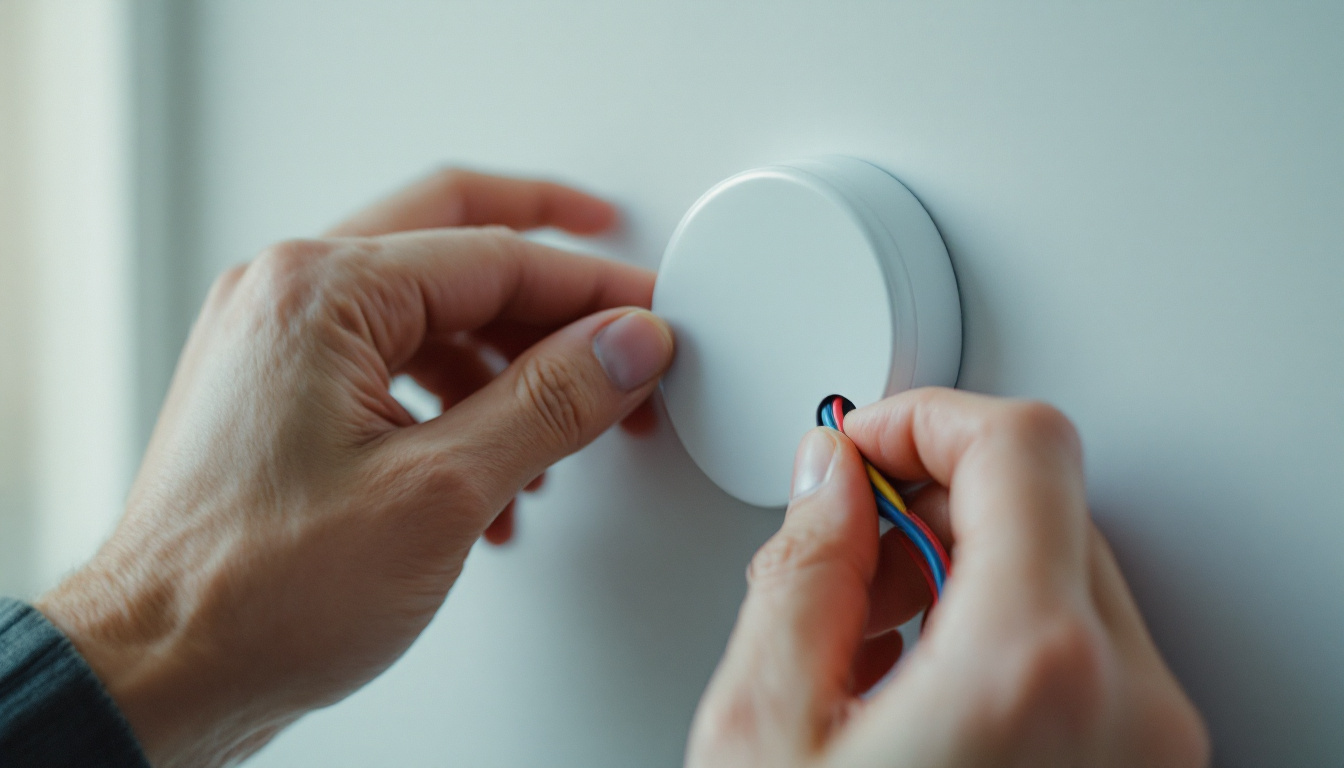
    1. Check what is behind the current thermostat. Turn the power off at the breaker, pull the thermostat off its plate, and photograph the wires and their terminal letters.
    2. Look for a wire on C. Sometimes an unused wire is tucked into the wall cavity, which is the easiest fix of all.
    3. If there is no C wire, the options are a power-extender kit supplied with many thermostats, running a new cable, or choosing a model designed to work without one.
    4. Note the system type. Heat pump wiring differs from a furnace and air conditioner, and dual fuel systems need a thermostat that can switch between them.

    Compatibility, beyond the C wire

    System Usually compatible What to watch
    Gas or oil furnace with central air Yes Needs a C wire or a power extender
    Heat pump with auxiliary heat Yes, with the right model Must control reversing valve and auxiliary or emergency heat
    Dual fuel, heat pump plus furnace Only specific models Needs a switchover setting, not a generic setup
    Line voltage electric baseboard No, in most cases Requires a line voltage model, 120 or 240 volts
    Millivolt or proprietary systems Often not Check manufacturer compatibility before buying

    ENERGY STAR’s own guidance is short and correct: “Make sure the smart thermostat you purchase is compatible with your heating and cooling system.” Our explainer on how thermostats work covers the control logic underneath.

    What a thermostat cannot do

    A smart thermostat changes when the system runs, not how well it runs. It cannot make a single-stage furnace modulate, fix duct leakage, or compensate for an oversized system. On a heat pump, a badly configured one can run expensive auxiliary heat more than necessary; see heat pump faults and normal behaviour. Zoning, not scheduling, is what fixes uneven rooms: see zoning systems.

    Does it save money?

    ENERGY STAR states that “Smart thermostats that earn the ENERGY STAR label have been independently certified, based on actual field data, to deliver energy savings.” That certification is a real, evidence-based bar, and it is product-level rather than a promise about your house.

    We publish no savings percentage, because the outcome depends on your schedule, your setpoints and your equipment. The mechanism is simple: savings come from the system running less, so a household that already sets back overnight has less to gain than one that never touches the dial. That is also why the 44.08 million homes on non-programmable thermostats have the most to gain.

    Installing one safely

    • Kill the power at the breaker, not just at the thermostat.
    • Photograph the existing wiring before disconnecting anything, and label wires by terminal, not by colour, because colour conventions are not reliable.
    • Do not let wires fall into the wall. Clip them or tape them to the wall while you work.
    • Set the system type correctly during setup: conventional, heat pump, or dual fuel. This is the most common configuration error.
    • Test both modes before you finish, and on a heat pump confirm auxiliary heat only comes on when it should.

    Frequently asked questions

    Do I need a C wire for a smart thermostat?

    Most need continuous power, which the C or common wire supplies. If there is no C wire, options are a power-extender kit included with many models, running new cable, or buying a model designed to work without one. Check behind the existing thermostat first, because an unused wire is often tucked into the wall.

    Will a smart thermostat work with my system?

    Conventional furnace and central air systems are usually straightforward. Heat pumps need a model that controls the reversing valve and auxiliary heat, dual fuel systems need specific models, and line voltage electric baseboard needs a line voltage thermostat. ENERGY STAR advises confirming compatibility before you buy.

    Do smart thermostats actually save energy?

    ENERGY STAR certifies models based on actual field data showing energy savings. How much you save depends on your schedule and setpoints, since savings come from the system running less. Households that never set back their temperature have the most to gain.

    How common are smart thermostats?

    EIA’s residential survey counted 12.78 million US homes with a smart or internet-connected thermostat, 11.7% of the 109.45 million homes that have a thermostat at all. Programmable models were in 52.59 million homes.

    Methodology and limitations

    Household thermostat counts are EIA RECS 2020 table HC6.1. Certification statements are quoted from ENERGY STAR. Wiring guidance is general; the equipment manufacturer’s instructions govern.

    • We publish no savings percentage, because results depend on household behaviour.
    • RECS 2020 remains the current vintage for equipment data; the 2024 survey’s heating and cooling tables are due in spring 2027 See what the 2024 survey release covers.; smart thermostat adoption has likely risen since.
    • Low voltage thermostat work is generally owner-accessible, but system wiring varies and errors can damage equipment.

    Sources

    1. US Energy Information Administration, Residential Energy Consumption Survey 2020, table HC6.1.
    2. ENERGY STAR, Smart Thermostats.

    The HVAC Brief is an independent trade publication. We do not sell equipment, take manufacturer advertising, or accept payment for placement in our research. Corrections welcome.
  • Whole House Humidifiers: What They Do and When They Help

    Whole House Humidifiers: What They Do and When They Help

    Last reviewed: September 2026 · By the HVAC Brief Editorial Team · Our sourcing and editorial standards

    The short answer

    A whole-house humidifier adds moisture to the air moving through your ductwork, to hold indoor humidity in the range EPA recommends. EPA advises that indoor relative humidity “should be kept below 60 percent” and “ideally between 30 percent and 50 percent, if possible.”

    It solves a winter problem with a physical cause. Cold outdoor air holds very little moisture, and once heated indoors its relative humidity falls, which is why houses feel dry in January and not in July.

    30 to 50%EPA’s ideal indoor relative humidity range
    60%The level EPA says to stay below
    3Common types: bypass, fan-powered and steam
    1Maintenance item most owners forget: the water panel

    Why indoor air goes dry in winter

    Relative humidity is relative to temperature. Cold air holds little water vapour, so when outdoor air at freezing enters a house and is heated to room temperature, its relative humidity collapses even though the absolute amount of moisture has not changed.

    The leakier the house, the worse it gets, because more of that cold, dry air is being brought in and heated. Sealing and insulating reduce the problem at source; see why envelope work comes first.

    The three types

    Type How it works Trade-offs
    Bypass Diverts warm supply air across a wet panel and back into the return Simple and cheap; needs the furnace blower running; uses a bypass duct
    Fan-powered Has its own fan to push air across the panel No bypass duct, more output; needs power
    Steam Boils water and injects steam into the duct Highest output, independent of furnace heat; uses the most electricity

    All three connect to a water line and a drain, and all three are controlled by a humidistat, which measures humidity the way a thermostat measures temperature. See how thermostats work for the control logic.

    Too much humidity is the bigger risk

    Over-humidifying in winter causes condensation on cold surfaces, starting with windows and ending inside wall cavities, and EPA’s guidance is explicit that indoor relative humidity should stay below 60%. If the windows are streaming, the humidifier is set too high. Our page on a house that is cold but humid covers the opposite failure.

    Maintenance, which is the whole game

    A neglected humidifier is worse than none, because it is a warm wet surface in the air path.

    1. Replace the water panel or pad at least once a heating season, more in hard water.
    2. Check the drain for blockage, and confirm water is actually leaving.
    3. Shut the water off in spring and close the damper on bypass models, or it will run through the cooling season.
    4. Watch the humidistat setting as outdoor temperature drops. The colder it gets outside, the lower the indoor setting has to be to avoid condensation.

    What it will not fix

    A humidifier will not fix a draughty house, a dusty one, or a duct system that cannot move air. Adding moisture to air that is not circulating produces damp in one room and dry air in another. If airflow is the underlying issue, see ductwork and airflow and how filters affect airflow.

    No federal source measures health outcomes or energy savings from whole-house humidifiers, and we publish neither.

    Frequently asked questions

    What humidity should a house be in winter?

    EPA advises keeping indoor relative humidity below 60 percent, ideally between 30 and 50 percent. In very cold weather the practical setting is at the lower end, because higher indoor humidity condenses on cold windows and inside wall cavities.

    Is a whole-house humidifier worth it?

    It addresses a real physical cause: heated winter air has low relative humidity. Whether it is worth the install and the annual maintenance depends on how dry your house actually gets, which a hygrometer will tell you for a few dollars. No federal source measures health or energy benefits.

    What maintenance does a humidifier need?

    Replace the water panel or pad at least once a heating season, keep the drain clear, and shut the water off and close the bypass damper in spring. A neglected unit is a wet surface sitting in the air path.

    Can a humidifier cause mould?

    Over-humidifying can, by producing condensation on cold surfaces and inside wall cavities. EPA’s guidance to stay below 60 percent relative humidity exists for that reason. Streaming windows are the visible warning that the setting is too high.

    Methodology and limitations

    Humidity guidance is quoted from EPA’s mould course materials. Equipment descriptions are general to residential ducted systems.

    • No federal source measures health outcomes, comfort or energy savings from whole-house humidification.
    • We publish no installed prices, because none is federally measured.
    • Correct settings vary with outdoor temperature and window construction.

    Sources

    1. US Environmental Protection Agency, Mold Course, Chapter 2, indoor relative humidity guidance.

    The HVAC Brief is an independent trade publication. We do not sell equipment, take manufacturer advertising, or accept payment for placement in our research. Corrections welcome.
  • Boiler Replacement: Efficiency Floors, Venting and Sizing

    Boiler Replacement: Efficiency Floors, Venting and Sizing

    Last reviewed: September 2026 · By the HVAC Brief Editorial Team · Our sourcing and editorial standards

    The short answer

    A new gas hot water boiler must reach at least 84% AFUE and an oil hot water boiler 86%, under 10 CFR 430.32(e). Those floors have applied to units manufactured on and after January 15, 2021, and they come with design requirements: no constant-burning pilot on gas, and automatic water temperature control on most classes.

    The bigger decision is condensing or not, because that changes the venting, the condensate drain and the water temperature the system must run at to deliver the efficiency on the label.

    84%Minimum AFUE, gas-fired hot water boiler
    86%Minimum AFUE, oil-fired hot water boiler
    9.29MUS homes heated mainly by a steam or hot water system
    $17.92Cost per million Btu from an 84% gas boiler, 2025/26 prices

    Federal minimums by boiler type

    The standards apply by product class, and the design requirements attached to them matter as much as the efficiency figure.

    Boiler class Minimum AFUE Design requirements
    Gas-fired hot water boiler 84% Constant-burning pilot not permitted; automatic means for adjusting water temperature required
    Gas-fired steam boiler 82% Constant-burning pilot not permitted
    Oil-fired hot water boiler 86% Automatic means for adjusting temperature required
    Oil-fired steam boiler 85% None
    Electric hot water boiler No AFUE minimum Automatic means for adjusting temperature required
    Electric steam boiler No AFUE minimum None

    Standby and off-mode power are also capped, at 9 watts for gas hot water boilers and 11 watts for oil. The standards attach to the date the boiler was manufactured, not to when it is installed.

    Condensing or non-condensing

    This is the choice that drives the rest of the job. A condensing boiler extracts heat from the flue gases until water vapour condenses, which is where the extra efficiency comes from.

    Factor Non-condensing Condensing
    Typical efficiency At or near the federal floor Above it, up to the mid 90s
    Venting Chimney or flue Plastic pipe, often through a side wall
    Condensate None Acidic condensate needs a drain and often neutralising
    Return water temperature Not critical Must stay low enough to condense, or the efficiency is not realised
    Best suited to Existing high temperature radiators Radiant floors and low temperature emitters

    The last row is the one that gets missed. A condensing boiler connected to old cast iron radiators run at high water temperature will not condense much of the time, so it will not deliver its rated efficiency. Our page on radiant floor heating covers the low temperature case where condensing boilers do their best work.

    Orphaned water heater

    If the old boiler shared a chimney with an atmospheric water heater, replacing it with a sidewall-vented condensing boiler leaves that water heater venting alone into an oversized, now cold chimney. That can cause poor draft and condensation inside the flue. It has to be dealt with in the same job, usually by relining the chimney or changing the water heater. The same problem arrives with the 95% AFUE furnace standard in 2028.

    Sizing, and why bigger is worse

    Boilers are commonly replaced like for like, which repeats whatever oversizing the original install had. An oversized boiler short cycles: it satisfies the thermostat quickly, shuts down, and starts again, which wastes fuel and wears the burner.

    A heat loss calculation for the building is the correct basis, the boiler equivalent of a Manual J load calculation. Ask for it, and ask what the radiator or emitter output is at the water temperature the new boiler will actually run.

    What it costs to run

    At 2025/26 heating season average prices and federal minimum efficiencies, heat from an 84% gas boiler cost about $17.92 per million Btu delivered, against $33.68 from an 86% oil boiler.

    Fuel price dominates that comparison, not the few points of efficiency between classes. The full table, including heat pumps and electric resistance, is in what heat costs by fuel. For how boiler systems distribute that heat, see boilers and baseboard heating.

    What to ask before signing

    • What heat loss calculation was done, and what output did it give?
    • Condensing or not, and if condensing, what return water temperature will the system run at?
    • Where does the flue terminate, and what happens to anything else on the old chimney?
    • Where does the condensate drain, and does it need neutralising?
    • What is the AFUE of the specific model, and what is its standby power?

    Our contractor checklist covers the licence, permit and warranty side of the same conversation.

    Frequently asked questions

    What AFUE does a new boiler need?

    At least 84% for a gas-fired hot water boiler, 82% for a gas steam boiler, 86% for an oil-fired hot water boiler and 85% for an oil steam boiler, for units manufactured on and after January 15, 2021, under 10 CFR 430.32(e). Electric boilers have no AFUE minimum.

    Is a condensing boiler worth it?

    Only if the system can run at a low enough return water temperature to condense. Paired with radiant floors or generously sized low temperature emitters it delivers its rated efficiency; connected to old high temperature radiators it often will not. It also needs plastic venting and an acidic condensate drain.

    What size boiler do I need?

    Size it on a heat loss calculation for the building, not on the output of the boiler being replaced. Like-for-like replacement repeats any oversizing in the original installation, and an oversized boiler short cycles, which wastes fuel and wears the burner.

    How much does a boiler cost to run?

    At 2025/26 season average fuel prices and federal minimum efficiency, about $17.92 per million Btu of delivered heat from a gas hot water boiler and $33.68 from an oil one. Fuel price matters far more than the efficiency difference between classes.

    Methodology and limitations

    Efficiency and design requirements are quoted from 10 CFR 430.32(e)(2). Household counts are EIA RECS 2020 table HC6.1. Running costs come from our fuel cost page, which uses EIA season average prices and federal minimum efficiencies.

    • Standards apply to manufacture date, not installation date.
    • We publish no installed prices, because no federal series measures them.
    • Heat loss calculation procedures are private industry standards, which we name but do not reproduce.

    Sources

    1. Code of Federal Regulations, 10 CFR 430.32(e)(2), residential boiler standards.
    2. US Energy Information Administration, Residential Energy Consumption Survey 2020, table HC6.1.

    The HVAC Brief is an independent trade publication. We do not sell equipment, take manufacturer advertising, or accept payment for placement in our research. Corrections welcome.
  • Water Heater Replacement: Sizing, Fuel and the 2029 Rules

    Water Heater Replacement: Sizing, Fuel and the 2029 Rules

    Last reviewed: September 2026 · By the HVAC Brief Editorial Team · Our sourcing and editorial standards

    The short answer

    Replacing a water heater comes down to three decisions: fuel, capacity and whether to move to a heat pump water heater. Federal minimum efficiency is set by formula, not by a single number, and it changes for units manufactured on or after May 6, 2029.

    One rule that does not apply: the tougher standard for gas tankless water heaters. Congress disapproved it, and the Department of Energy formally withdrew the rule on May 20, 2025.

    May 6, 2029New federal minimums apply to storage water heaters manufactured from this date
    WithdrawnThe 2024 gas tankless standard, disapproved by Congress
    -5.2%Electric storage shipments, year to date through July
    >1.0The UEF level that only a heat pump water heater can reach

    How federal efficiency rules work here

    Water heaters are rated by Uniform Energy Factor, and the minimum is a formula rather than a fixed figure. It varies by product class, storage volume and draw pattern, which is why any page quoting “the minimum UEF” has quietly fixed all three.

    Under 10 CFR 430.32(d), a gas-fired storage water heater between 20 and 55 gallons on a medium draw pattern must reach a UEF of 0.6483 minus 0.0017 times the rated volume. A 50 gallon unit therefore needs about 0.563. The equivalent electric storage class needs 0.9307 minus 0.0002 times volume, about 0.921.

    Class (medium draw) Formula, before May 6, 2029 At 50 gallons
    Gas-fired storage, 20 to 55 gal 0.6483 − (0.0017 × volume) 0.563
    Electric storage, 20 to 55 gal 0.9307 − (0.0002 × volume) 0.921
    Oil-fired storage, up to 50 gal 0.6078 − (0.0016 × volume) 0.528
    Electric storage, over 55 gal 2.1171 − (0.0011 × volume) 2.029 at 80 gal

    That last row is the important one. A UEF above 1.0 means the appliance delivers more energy than it consumes, which resistance elements cannot do. The large electric classes are effectively heat pump water heaters by regulation.

    What changes in 2029

    A second table in the same section applies to units manufactured on or after May 6, 2029, and it is based on effective storage volume rather than rated volume. It also adds classes below 20 gallons and above 100 gallons that the current table does not cover.

    This affects manufacture date, not your installation. A compliant heater built before that date remains legal to sell and install afterwards, the same principle that governs SEER2 minimums for cooling equipment.

    The tankless rule that was cancelled

    DOE published amended standards for consumer gas-fired instantaneous water heaters on December 26, 2024 (89 FR 105188), with an effective date of March 11, 2025. The effective date was delayed twice, and on May 20, 2025 DOE withdrew the rule entirely (90 FR 21390), stating it was acting “Pursuant to the Congressional Review Act” to withdraw “a disapproved final rule”. Gas tankless water heaters are therefore still governed by the earlier standard, and any page describing a new tankless minimum is out of date.

    Sizing: first hour rating, not gallons

    Tank size is the number everyone quotes and the wrong one to buy on. The useful figure is the first hour rating, how much hot water the unit can deliver in the busiest hour, which combines tank volume with recovery rate.

    1. Work out your peak hour, usually a morning: showers, a dishwasher, a laundry load.
    2. Add the demand in gallons for that hour.
    3. Match the first hour rating to that figure, not to the tank size of the old unit.
    4. For tankless, the equivalent is flow in gallons per minute at your incoming water temperature. Cold inlet water cuts deliverable flow, so a unit sized for a southern climate underperforms in a northern one.

    A heat pump water heater has a further constraint: it needs air volume and clearance around it, and it cools and dehumidifies the space it sits in.

    Fuel cost, honestly

    Water heating cost follows the same fuel prices as space heating. At 2025/26 season averages, natural gas cost about $15.05 per million Btu of fuel against about $52.10 for electricity.

    That gap is why gas has been cheaper to run, and why a heat pump water heater changes the comparison: by moving heat rather than making it, it uses a fraction of the electricity a resistance element does. Our page on what heat costs by fuel sets out the arithmetic and the assumptions behind it.

    What the market is doing

    Shipments are falling on both fuels. Through July 2026, gas storage water heater shipments were 2,487,389 units, down 2.5% on 2025, and electric storage was 2,877,192, down 5.2%.

    Electric is also down 5.5% against the same period of 2024, so this is a two-year decline rather than one soft season. More in our water heater shipments and standards report.

    Frequently asked questions

    What size water heater do I need?

    Match the first hour rating to your peak hour demand rather than matching the old tank’s gallon size. Add up the hot water used in your busiest hour, usually a morning, and buy to that figure. For tankless, size on gallons per minute at your winter incoming water temperature.

    Are there new federal water heater standards?

    Yes for storage water heaters: a new table of minimum Uniform Energy Factors applies to units manufactured on or after May 6, 2029, under 10 CFR 430.32(d). For gas tankless there is no new standard: DOE’s December 2024 rule was disapproved by Congress and withdrawn on May 20, 2025.

    Is a heat pump water heater worth it?

    It uses far less electricity than a resistance element because it moves heat rather than generating it, which is why federal minimums for the larger electric classes require a UEF above 1.0, a level only a heat pump can reach. It needs clearance and air volume, and it cools the space it occupies. No federal source publishes installed costs, so we do not quote a payback.

    Gas or electric water heater?

    On fuel price alone gas has been cheaper: about $15.05 per million Btu against $52.10 for electricity at 2025/26 season averages. A heat pump water heater narrows or closes that gap by using a fraction of the electricity. Venting, existing connections and local prices decide the rest.

    Methodology and limitations

    Efficiency requirements are quoted from 10 CFR 430.32(d). Rulemaking history is from Federal Register documents 89 FR 105188, 90 FR 9951, 90 FR 13054 and 90 FR 21390. Shipments are AHRI’s July 2026 release. Fuel prices are EIA season averages as documented on our fuel cost page.

    • Worked UEF examples assume a medium draw pattern; other draw patterns have different formulas.
    • Standards apply to manufacture date, not installation date.
    • We publish no installed prices or payback periods, because no federal series measures them.

    Sources

    1. Code of Federal Regulations, 10 CFR 430.32(d), water heater energy conservation standards.
    2. US Department of Energy, “Energy Conservation Standards for Consumer Gas-Fired Instantaneous Water Heaters”, final rule 89 FR 105188 (December 26, 2024) and final rule; withdrawal, 90 FR 21390 (May 20, 2025).
    3. Air-Conditioning, Heating, and Refrigeration Institute, July 2026 shipment release.

    The HVAC Brief is an independent trade publication. We do not sell equipment, take manufacturer advertising, or accept payment for placement in our research. Corrections welcome.
  • HVAC Emergencies: What Counts and What to Do First

    HVAC Emergencies: What Counts and What to Do First

    Last reviewed: September 2026 · By the HVAC Brief Editorial Team · Our sourcing and editorial standards

    The short answer

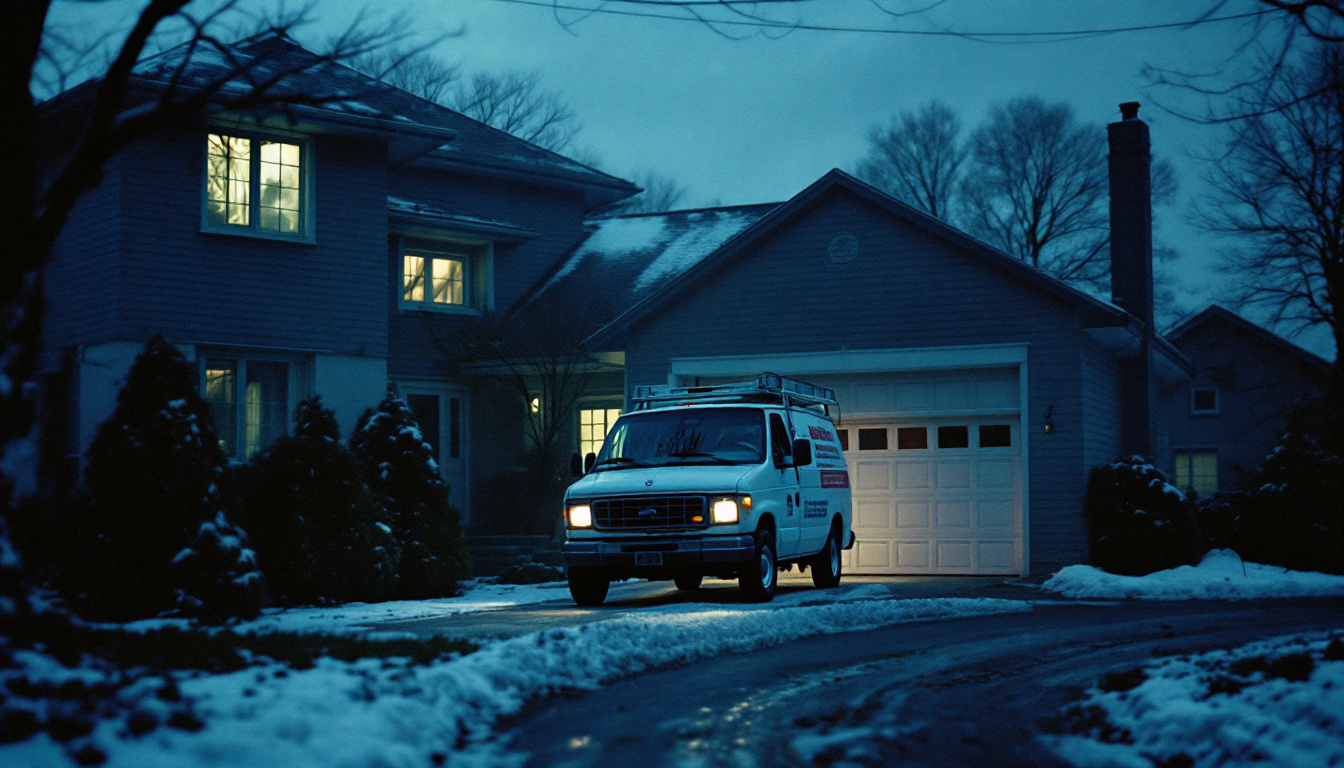
    Three HVAC situations are genuine emergencies: a carbon monoxide alarm sounding, a gas smell, or any burning smell or smoke. In those, leaving the building comes before calling anyone.

    Everything else, including no heat in winter and no cooling in a heatwave, is urgent rather than dangerous for most households, and becomes an emergency when the temperature threatens vulnerable people or the building.

    Stop and leave: the three real emergencies

    These are not service calls in the ordinary sense. Get out first, then call from outside.

    1. A carbon monoxide alarm sounds. Get everyone outside into fresh air, then call the fire service or 911. Do not go back in to investigate. CPSC estimated 274 non-fire carbon monoxide deaths from consumer products in 2022, and 76 of them, 28%, involved heating systems.
    2. You smell gas. Do not operate switches or appliances. Leave, then call the gas utility’s emergency line from outside.
    3. Burning smell, smoke or soot. Shut the system off at the thermostat and the breaker if you can do it safely, then leave and call.

    CPSC’s guidance for the prevention side is a “yearly professional inspection of all fuel-burning home heating systems, including furnaces, boilers, fireplaces, wood stoves, water heaters, chimneys, flues and vents.”

    Urgent, but not an evacuation

    These justify an out-of-hours call, and they are what most emergency HVAC services actually attend.

    Situation Why it is urgent What to do first
    No heat, freezing outside Risk of burst pipes and cold exposure Check thermostat, breaker, filter, gas supply; keep taps trickling
    No cooling in extreme heat Heat illness, especially for older adults, infants, the ill Move to a cooler space, check breaker and filter, use fans
    Water pouring from the indoor unit Property damage Shut the system off, clear the condensate drain if accessible
    Electrical burning smell, no smoke Component overheating Shut off at the breaker, call
    Outdoor unit humming, not starting Motor can overheat Switch off at the thermostat; likely a capacitor or contactor

    That last one is one of the most common after-hours calls. See what a capacitor does and what HVAC noises mean.

    Check these before you pay an out-of-hours rate

    A meaningful share of emergency calls end in something the owner could have checked in two minutes.

    • Thermostat. Mode, setpoint, batteries, and whether it is calling for heat or cooling at all. See how thermostats work.
    • Breaker and outdoor disconnect. Reset a tripped breaker once. If it trips again, stop and call.
    • The filter. A blocked filter causes no-heat lockouts on the heating side and frozen coils on the cooling side. See why an AC freezes up.
    • The furnace door switch. A panel not seated will stop a furnace completely.
    • Gas supply. Other gas appliances working tells you the supply is on.

    If the furnace is trying to light and failing, the ignition sequence page explains what the pattern of clicks and pauses is telling you.

    What emergency rates actually buy

    Out-of-hours work is priced for the visit, not the fix. Parts availability at 2am is the real constraint, and many night calls end in a temporary measure with the repair completed the next working day. Ask what the call-out fee covers, whether it is credited against the repair, and whether the part is on the van, before agreeing to the visit.

    If you cannot get heat tonight

    Two safety points matter more than comfort, and both appear in CPSC’s heating guidance: never heat a home with a cooking appliance, and never run a generator or any engine-driven tool indoors or in an attached garage. Engine-driven tools were associated with the largest share of carbon monoxide deaths in CPSC’s 2022 estimates, 39% of the total, with generators the main contributor.

    Frequently asked questions

    What counts as an HVAC emergency?

    A sounding carbon monoxide alarm, a gas smell, or smoke and burning smells are true emergencies: leave the building first and call from outside. No heat in freezing weather, no cooling in extreme heat, and water damage are urgent and justify an out-of-hours call, but are not evacuations.

    What should I do if my heat goes out in winter?

    Check the thermostat mode and batteries, the breaker, the filter and the furnace door panel, and confirm other gas appliances work. Keep taps trickling to reduce the risk of frozen pipes. Never heat the house with a cooking appliance or run a generator indoors.

    Is no air conditioning an emergency?

    It can be, depending on who is in the house. Extreme heat is dangerous for older adults, infants and people with medical conditions. For most households it is urgent rather than an emergency: move to a cooler space, run fans, and check the breaker and filter first.

    Is emergency HVAC service more expensive?

    Generally yes, through an out-of-hours call-out fee. No federal source measures HVAC pricing. Ask what the fee covers, whether it is credited against the repair, and whether the likely part is on the van, since many night visits end in a temporary fix.

    Methodology and limitations

    Carbon monoxide figures are CPSC 2022 annual estimates, published May 2026. Safety guidance is quoted or summarised from CPSC’s home heating equipment materials.

    • We publish no emergency call-out prices, because no federal source measures them.
    • CPSC estimates cover consumer products under its jurisdiction and are revised in later reports.
    • This page is general guidance, not instructions for a specific appliance or a medical situation.

    Sources

    1. US Consumer Product Safety Commission, Home Heating Equipment.
    2. US Consumer Product Safety Commission, Non-Fire Carbon Monoxide Deaths Associated with the Use of Consumer Products, 2022 Annual Estimates, published May 2026.

    The HVAC Brief is an independent trade publication. We do not sell equipment, take manufacturer advertising, or accept payment for placement in our research. Corrections welcome.
  • HVAC Tune-Up: What a Real One Actually Includes

    HVAC Tune-Up: What a Real One Actually Includes

    Last reviewed: September 2026 · By the HVAC Brief Editorial Team · Our sourcing and editorial standards

    The short answer

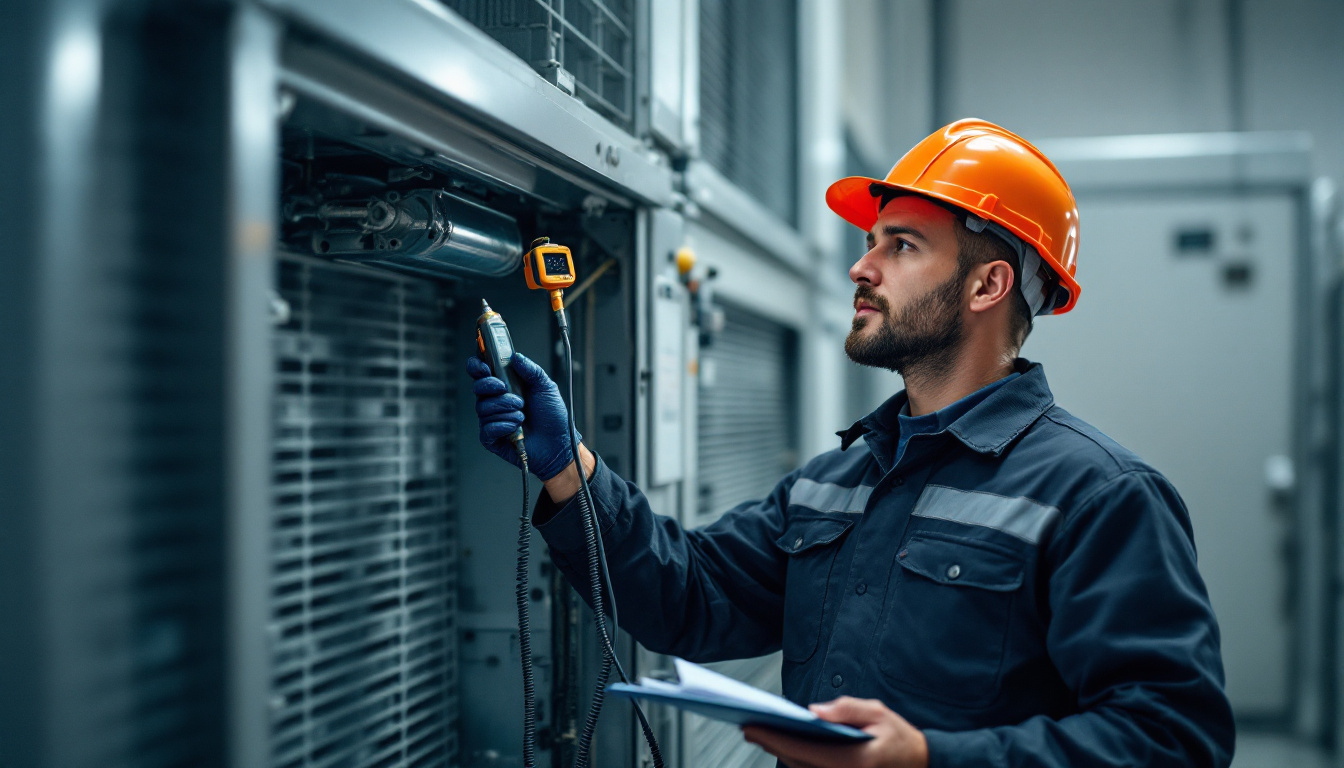
    A real tune-up is a list of measurements and cleanings, not a visual inspection. ENERGY STAR’s maintenance checklist names nine contractor tasks, including tightening electrical connections and measuring voltage and current on motors, cleaning the coils, checking refrigerant level, and checking gas connections, burner combustion and the heat exchanger.

    No federal rule sets what a tune-up must include, so the word means whatever the company selling it decides. The checklist below is what to ask for.

    What ENERGY STAR says a contractor should do

    These nine items are the closest thing to a public standard for a maintenance visit, and they are the ones to hold a contractor to.

    Task Why
    Check thermostat settings to ensure the cooling and heating system keeps you comfortable when you are home and saves energy while you are away
    Tighten all electrical connections and measure voltage and current on motors
    Lubricate all moving parts to reduce friction in motors
    Check and inspect the condensate drain in your central air conditioner, furnace and/or heat pump
    Check controls of the system to ensure proper and safe operation
    Clean evaporator and condenser air conditioning coils because dirty coils make the system run longer
    Check the refrigerant level and adjust if necessary
    Clean and adjust blower components to provide proper system airflow
    Check all gas or oil connections, gas pressure, burner combustion and heat exchanger on the heating side

    ENERGY STAR also gives the timing: “Check the cooling system in the spring and the heating system in the fall”, and for owners, “Inspect, clean, or change air filters once a month in your central air conditioner, furnace, and/or heat pump.”

    The measurements to ask for in writing

    The difference between a real tune-up and a sticker on the furnace is whether numbers were recorded. Ask for these on the invoice.

    1. Refrigerant charge, verified by measurement. Superheat or subcooling, not “topped up”. A system that needs refrigerant has a leak; see what a recharge really means.
    2. Temperature rise or temperature split. The difference between return and supply air, compared with the range on the equipment data plate.
    3. Static pressure. The duct system’s resistance. High static pressure is the most commonly missed cause of poor performance and short equipment life. See ductwork and airflow.
    4. Motor amp draw. Compared with the nameplate rating, it shows a motor beginning to fail.
    5. Combustion readings on the heating side. On any gas or oil appliance, plus a check for spillage at the draft hood.
    What a tune-up is not

    It is not a duct cleaning, it is not a refrigerant top up, and it does not include parts. A visit that finds nothing wrong is a good outcome, not a wasted fee. If a tune-up always ends in a recommended repair, that is a sales pattern worth noticing, and our guide to choosing a contractor covers how to test it.

    Does maintenance actually pay?

    Honestly, the evidence is thinner than the marketing. No federal agency measures the return on a maintenance visit, and we do not publish a savings percentage because none is measured.

    What has a clear mechanism behind it is narrower: a clean filter and clean coils preserve airflow and heat transfer, a correct refrigerant charge keeps capacity where it was designed to be, and a combustion check is a safety measure with a documented hazard behind it. Our page on how often HVAC should be serviced sets out what is established and what is not.

    Maintenance plans

    Most plans bundle one or two visits a year with a discount on repairs and priority scheduling. Three questions decide whether one is worth it:

    • Does the plan list the tasks, or does it just promise a “precision tune-up”?
    • Is the discount on parts, labour, or both, and does it apply to the diagnostic fee?
    • Does it auto-renew, and what happens to unused visits?

    Frequently asked questions

    What is included in an HVAC tune-up?

    ENERGY STAR’s checklist names nine contractor tasks: checking thermostat settings, tightening electrical connections and measuring voltage and current on motors, lubricating moving parts, inspecting the condensate drain, checking system controls, cleaning evaporator and condenser coils, checking refrigerant level, cleaning and adjusting blower components, and checking gas or oil connections, gas pressure, burner combustion and the heat exchanger.

    Is an AC tune-up worth it?

    No federal source measures the savings, so treat percentage claims with caution. The defensible case is narrower: airflow, correct refrigerant charge and combustion safety all have clear mechanisms. Ask for recorded measurements, which is what separates a real visit from a visual check.

    How often should a tune-up be done?

    The common advice is annually, and twice a year for a heat pump because it runs in both seasons. ENERGY STAR suggests checking the cooling system in spring and the heating system in autumn. No federal rule sets an interval; manufacturer warranty terms often do.

    What should be on the invoice?

    Measured values, not just ticks: superheat or subcooling, temperature rise or split, static pressure, motor amp draws against nameplate, and combustion readings on gas or oil equipment. Without numbers there is nothing to compare against next year.

    Methodology and limitations

    Task list quoted from the ENERGY STAR maintenance checklist. Industry maintenance procedures are published privately by ACCA, which we name but do not reproduce.

    • No federal rule defines a tune-up or sets a service interval.
    • We publish no savings percentage, because no federal source measures one.
    • Required tasks vary by equipment type; a heat pump and an oil furnace do not need the same visit.

    Sources

    1. ENERGY STAR, Maintenance Checklist.
    2. Air Conditioning Contractors of America, maintenance standards, named as industry procedures.

    The HVAC Brief is an independent trade publication. We do not sell equipment, take manufacturer advertising, or accept payment for placement in our research. Corrections welcome.
  • Heat Pump Repair: The Faults Only Heat Pumps Have

    Heat Pump Repair: The Faults Only Heat Pumps Have

    Last reviewed: September 2026 · By the HVAC Brief Editorial Team · Our sourcing and editorial standards

    The short answer

    A heat pump has every failure an air conditioner has, plus four of its own: the reversing valve, the defrost control, the auxiliary heat strips and the outdoor coil freezing for reasons that are not a fault.

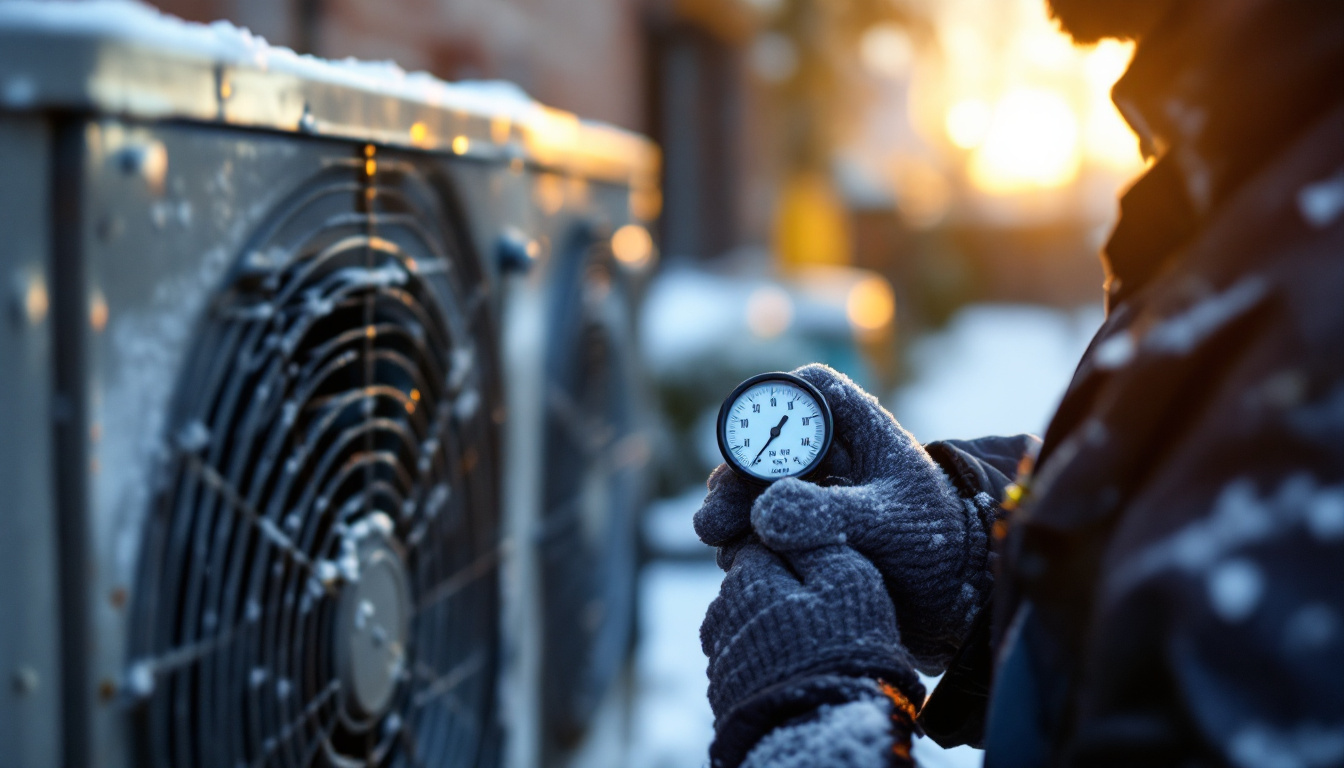
    That last one causes most unnecessary service calls. A heat pump that steams and drips in cold weather, or blows cool air for a few minutes, is usually running a normal defrost cycle.

    16.13MUS homes with a heat pump as main heating
    4Failure modes specific to heat pumps
    2Seasons of service a heat pump needs, because it runs year round
    $0Federal data on what any repair costs

    The faults that are specific to heat pumps

    These four have no equivalent on a cooling-only system, and they are where a general air conditioning diagnosis goes wrong.

    Part What it does What failure looks like
    Reversing valve Switches the refrigerant flow between heating and cooling System cools when it should heat, or gets stuck in one mode
    Defrost control board and sensor Runs a defrost cycle when the outdoor coil ices Coil stays iced over, or the unit defrosts constantly
    Auxiliary or emergency heat strips Electric resistance backup in very cold weather No backup heat, or strips running constantly and a very high bill
    Outdoor coil and base pan Absorbs heat from outdoor air in winter Ice building at the base, blocked drainage

    Normal behaviour that looks like a fault

    Heat pumps behave differently from furnaces, and three normal behaviours generate service calls.

    • Defrost cycles. In cold, damp weather the outdoor coil frosts. The unit periodically reverses to melt it, which produces steam, dripping and a few minutes of cooler air indoors. This is designed behaviour.
    • Cooler supply air. A heat pump delivers air cooler than a furnace does. It feels lukewarm at the register while still heating the house.
    • Long run times. Heat pumps are meant to run for long periods at low output. Short, fierce cycles are the problem, not long gentle ones.

    Our explainer on how a heat pump works covers the cycle these behaviours come from.

    The expensive mistake: leaving it on emergency heat

    Emergency heat bypasses the heat pump and runs electric resistance strips. That is the most expensive heat in the house. At 2025/26 season prices, resistance heat cost about $52 per million Btu against about $24 from a minimum-efficiency heat pump, more than double. Use it when the heat pump has failed, not as a cold weather setting. See what heat costs by fuel.

    The faults it shares with any air conditioner

    Everything in the refrigeration circuit and the electrical path fails the same way it does on a cooling-only system: capacitors, contactors, fan motors, compressors, and refrigerant leaks.

    A heat pump works the circuit harder, because it runs in both seasons rather than one. That is the argument for servicing it twice a year rather than once. See capacitor failures and what a tune-up should include.

    What repairs cost

    No federal series measures heat pump repair prices, and the range that matters most, a reversing valve or compressor replacement against the cost of a new system, is exactly the one nobody measures.

    Two questions make a quote comparable. What refrigerant does the system use, since an R-410A system faces a tightening supply under the phasedown schedule. And what was measured, in pressures and temperatures, to reach the diagnosis.

    Frequently asked questions

    Why is my heat pump blowing cold air?

    Most often it is a normal defrost cycle: the unit briefly reverses to melt frost off the outdoor coil, which produces cooler air indoors and steam outside for a few minutes. If it persists, suspect the reversing valve, a refrigerant charge problem or a defrost control fault.

    Why is my heat pump frozen or iced up?

    Light frost on the outdoor coil in cold, damp weather is normal and the defrost cycle clears it. Ice that stays, or builds at the base of the unit, points at a defrost control or sensor fault, blocked drainage, or low refrigerant charge.

    What is the most common heat pump repair?

    The same electrical wear parts as any air conditioner, chiefly capacitors and contactors, followed by defrost controls and sensors. Reversing valve and compressor failures are much less common and much more expensive.

    Should I use emergency heat?

    Only when the heat pump is not working. Emergency heat runs electric resistance strips, which at 2025/26 average prices cost roughly twice as much per unit of heat as a minimum-efficiency heat pump. Leaving it on is a common and expensive mistake.

    Methodology and limitations

    Component behaviour is described in general terms for residential air-source heat pumps. Household counts are EIA RECS 2020 table HC6.1. Running cost comparisons come from our fuel cost page, which uses EIA season average prices and federal minimum efficiencies.

    • No federal source measures repair prices or failure rates, and we publish neither.
    • Defrost behaviour varies by manufacturer and control strategy.
    • Nothing here is a diagnosis for a specific system.

    Sources

    1. US Energy Information Administration, Residential Energy Consumption Survey 2020, table HC6.1.
    2. Code of Federal Regulations, 10 CFR 430.32(c), heat pump efficiency standards.

    The HVAC Brief is an independent trade publication. We do not sell equipment, take manufacturer advertising, or accept payment for placement in our research. Corrections welcome.
  • Furnace Repair: What Actually Fails, and What It Costs

    Furnace Repair: What Actually Fails, and What It Costs

    Last reviewed: September 2026 · By the HVAC Brief Editorial Team · Our sourcing and editorial standards

    The short answer

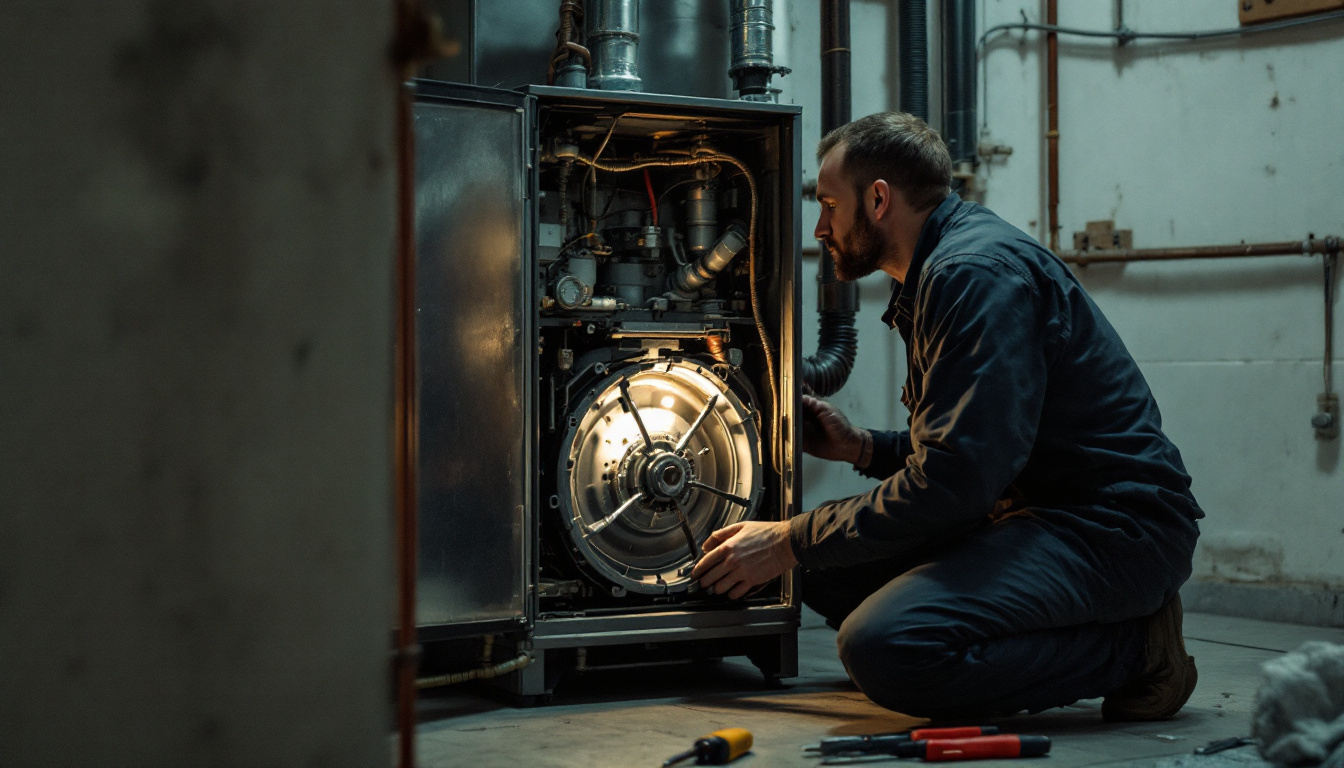
    Most furnace repairs come down to a short list of parts: the igniter, the flame sensor, the pressure switch, the blower motor and its capacitor, the limit switch and the control board. A cracked heat exchanger is the one failure that ends the furnace rather than starting a repair.

    No federal source publishes what any of these repairs cost, so every price range you find online is a vendor survey. What is documented is the safety side: CPSC estimates 76 deaths from carbon monoxide involving heating systems in 2022.

    What actually fails, by symptom

    Furnaces mostly fail in one of four ways, and each points at a different group of parts.

    Symptom Usual suspects Owner fixable
    No heat, no ignition attempt Thermostat, power, door switch, control board Check thermostat and breaker only
    Ignites then shuts down within seconds Flame sensor, dirty burners, flue blockage No
    Blower runs, air is cold Igniter, gas valve, pressure switch, limit switch No
    Short cycling Dirty filter, closed vents, oversized furnace, limit switch Filter and vents, yes
    Noise on start or run Blower motor, bearings, capacitor, inducer motor No
    Soot, burning smell, alarm sounding Combustion problem or heat exchanger Shut it off and call

    The single most common no-heat pattern is a furnace refusing to light because a safety interlock has not proved. Our page on why a furnace will not ignite walks the start sequence step by step.

    The parts that fail most

    These are wear items on a gas furnace. Each is cheap relative to the machine, and each stops the furnace completely.

    1. Hot surface igniter. A brittle ceramic element that glows to light the burners. It fails from age and from being touched.
    2. Flame sensor. A metal rod that proves a flame is present. It gets coated and stops conducting, so the furnace lights and immediately shuts down.
    3. Pressure switch. Confirms the inducer is drawing properly. A blocked flue or a cracked hose will keep it open, and the furnace will not fire.
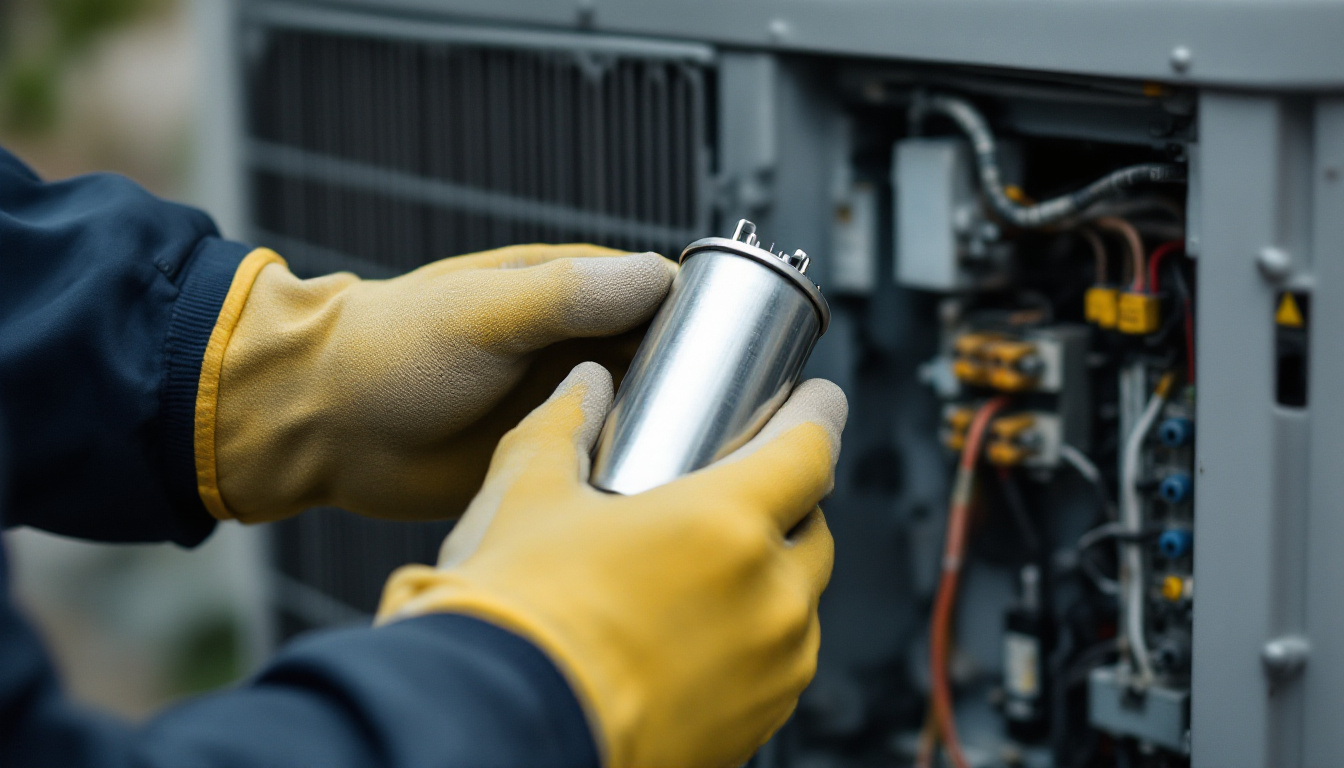
    4. Capacitor. Starts and runs the blower motor. See what a capacitor does.
    5. Blower motor. Moves the heated air. See blower motor symptoms and types.
    6. Limit switch. Shuts the furnace down when it overheats, usually because airflow is restricted. A limit switch that trips repeatedly is reporting an airflow problem, not causing one.
    The one that ends the furnace

    A cracked heat exchanger lets combustion gases mix with the air you breathe. It is not repaired; the furnace is replaced or the exchanger is swapped if still under warranty. CPSC estimated 274 non-fire carbon monoxide deaths from consumer products in 2022, of which 76 (28%) involved heating systems, the second largest category after engine-driven tools. CPSC advises “a yearly professional inspection of all fuel-burning home heating systems, including furnaces, boilers, fireplaces, wood stoves, water heaters, chimneys, flues and vents.”

    Repair or replace

    Three things decide it, and age alone is not one of them.

    • What failed. An igniter or a capacitor is a routine repair. A heat exchanger, a control board on an old furnace, or a second major failure in a season pushes towards replacement.
    • What the furnace is. An 80% AFUE furnace replaced today can be a condensing model; from December 18, 2028 new non-weatherized gas furnaces must be 95% AFUE, which changes venting. See the 2028 standard.
    • Whether it is still safe. Combustion faults are not a cost question.

    Age is a weak signal on its own: 20.0% of US homes that heat are running main heating equipment 20 years old or more, and most of it works.

    What a furnace repair costs

    No federal series measures HVAC repair prices. BLS publishes producer prices for equipment and wages for the trade, but nothing that tells you what a flame sensor replacement costs in your town.

    What you can do is make quotes comparable: ask for the part and the labour separately, ask what failed and why, and ask what the technician measured. A part that fails twice in two seasons is a symptom of something else. Our page on what HVAC repair costs are actually measured explains the gap.

    How much furnace repair there is to do

    The installed base is large and old. A central warm-air furnace is the main heating equipment in 74.42 million US homes, 63.2% of homes that heat, and gas furnace shipments are running below last year, which means more of that base is being repaired rather than replaced.

    Frequently asked questions

    What is the most common furnace repair?

    Ignition-related parts: the hot surface igniter and the flame sensor. Both stop the furnace from producing heat, both are inexpensive parts, and both are routine replacements. Blower capacitors and pressure switches are the next most common.

    Is it worth repairing a furnace?

    Usually, unless the heat exchanger has failed, the same major component has failed twice, or a combustion fault has been found. What failed matters more than the furnace’s age. A furnace replaced now can also be affected by the 95% AFUE standard that applies to units manufactured from December 18, 2028.

    How much does furnace repair cost?

    No federal source measures it, so any published range is a vendor survey or contractor estimate rather than measured data. Ask for the part and labour separately, and ask what was measured to reach the diagnosis.

    Is a furnace problem dangerous?

    It can be. CPSC estimated 76 non-fire carbon monoxide deaths involving heating systems in 2022, 28% of the 274 consumer product CO deaths that year. If a CO alarm sounds, or you smell burning or see soot, shut the system off and get out before calling anyone.

    Methodology and limitations

    Component descriptions are general to residential gas furnaces. Carbon monoxide figures are CPSC 2022 annual estimates, published May 2026. Installed base is EIA RECS 2020 table HC6.1.

    • We publish no repair prices, because no federal series measures them.
    • CPSC estimates are for consumer products under its jurisdiction and are revised in later reports.
    • Nothing here is a substitute for a qualified technician inspecting your equipment.

    Sources

    1. US Consumer Product Safety Commission, Home Heating Equipment and Non-Fire Carbon Monoxide Deaths Associated with the Use of Consumer Products, 2022 Annual Estimates (May 2026).
    2. US Energy Information Administration, Residential Energy Consumption Survey 2020, table HC6.1.
    3. Code of Federal Regulations, 10 CFR 430.32(e), furnace efficiency standards.

    The HVAC Brief is an independent trade publication. We do not sell equipment, take manufacturer advertising, or accept payment for placement in our research. Corrections welcome.
  • HVAC Capacitor: What It Does and How It Fails

    HVAC Capacitor: What It Does and How It Fails

    Last reviewed: September 2026 · By the HVAC Brief Editorial Team · Our sourcing and editorial standards

    The short answer

    An HVAC capacitor is a small electrical component that helps start, and keep running, the motors in an air conditioner or heat pump: the compressor, the outdoor fan and often the indoor blower. The classic sign of failure is an outdoor unit that hums but does not start.

    It is one of the least expensive parts in the system. It is still a job for a technician, because a capacitor can hold a dangerous charge after the power is switched off.

    What a capacitor does

    A capacitor stores electrical charge and releases it in step with the motor. That shifts the timing of current in a second motor winding, which gives a single-phase motor the push it needs to start and the balance it needs to run efficiently.

    Without it, a compressor or fan motor receives power but cannot turn, or turns weakly. That is why a failed capacitor so often looks like a failed motor from the outside, and why the two are told apart by measurement rather than by looking. See what an AC condenser does for the rest of the outdoor unit.

    Start, run and dual run capacitors

    Residential systems use two kinds of job, sometimes combined in one part: a run capacitor that stays in the circuit, and a start capacitor that helps only at start-up.

    Type Job Typically found on
    Run capacitor Stays in the circuit while the motor runs, for efficient operation Outdoor fan motors, blower motors, compressors
    Dual run capacitor One case serving two motors, with terminals usually marked HERM, FAN and C Outdoor condensing units, serving compressor and fan
    Start capacitor Adds a burst of starting torque, then is switched out Some compressors, and hard start kits
    Hard start kit An added start capacitor with a relay Compressors that struggle to start

    Signs a capacitor has failed

    Most capacitor symptoms are about motors not starting properly. Each one has other possible causes, which is why a technician tests before replacing anything.

    • The outdoor unit hums but the fan does not turn. The most common pattern. A failed contactor or a seized motor can look the same. More in what HVAC noises mean.
    • The compressor tries to start and trips the breaker. A weak start or run capacitor is one cause; a failing compressor is another.
    • The fan starts slowly or not at all while the compressor runs.
    • The system runs but blows warm air. If the compressor is not starting, the indoor blower can still move uncooled air. See AC running but not cooling.
    • A visibly swollen or leaking case. A domed top is a clear sign, but many failed capacitors look perfectly normal.

    If the outdoor unit is humming without starting, switch the system off at the thermostat. A motor that keeps receiving power without turning can overheat.

    Why it is not a do-it-yourself part

    A capacitor can retain a charge after the disconnect is off, and the outdoor unit runs on a 240-volt circuit. Fitting one with the wrong rating can damage the motor it is meant to protect, and confirming the fault takes a meter. Replacing a capacitor does not open the refrigerant circuit, so EPA Section 608 certification does not govern that task itself, but state and local electrical rules may.

    Reading the label

    Every capacitor is printed with its capacitance in microfarads, shown as µF or MFD, and a voltage rating, commonly 370 or 440 volts AC on residential equipment.

    A replacement should match the capacitance the equipment calls for and meet or exceed the voltage rating. On a dual run capacitor both capacitance values matter, one for the compressor and one for the fan. The equipment wiring diagram, not the old part alone, is the reference, because the old part may itself be the wrong one.

    Why a small part matters

    A capacitor is cheap; the motors it serves are not, and they are getting more expensive. The BLS producer price index for motor and generator manufacturing reached 318.1 in 2026-08, up 3.9% on a year earlier and 47.5% above its 2019 average.

    That is a factory-gate index for motors in general, not a price for HVAC replacement motors. It still makes the practical point: dealing with a failing capacitor promptly costs less than letting a motor strain against it.

    What a capacitor replacement costs

    No federal series measures HVAC repair prices, so any figure you see for a capacitor replacement is a vendor survey or a contractor estimate. We do not publish one.

    The part is inexpensive and the visit is short, which puts it at the low end of HVAC repairs. Ask for part and labour separately, and ask why it failed: a capacitor that fails twice in two seasons points to a different problem. Our page on what HVAC repair costs are actually measured explains the gap in the data.

    Frequently asked questions

    What does a capacitor do on an AC unit?

    It stores and releases electrical charge to help the compressor, outdoor fan and sometimes the indoor blower motor start and run efficiently. Without a working capacitor, those single-phase motors receive power but cannot turn, or turn weakly.

    How do I know if my AC capacitor is bad?

    The usual sign is an outdoor unit that hums but does not start, or a fan that will not spin while the compressor runs. A swollen or leaking case confirms it, but many failed capacitors look normal. A failed contactor or motor can cause the same symptoms, so a technician tests it with a meter.

    Can I replace an AC capacitor myself?

    It is not recommended. A capacitor can hold a dangerous charge after the power is off, the outdoor unit runs on 240 volts, and the wrong rating can damage a motor. EPA refrigerant certification does not govern the task, but state and local electrical rules may.

    What is a dual run capacitor?

    A single capacitor case that serves two motors, usually the compressor and the outdoor fan, with terminals commonly marked HERM for the compressor, FAN for the fan motor and C for common. It carries two capacitance ratings, and a replacement must match both.

    Methodology and limitations

    This page describes how motor capacitors work in residential air conditioners and heat pumps in general terms. Equipment-specific ratings come from the manufacturer’s wiring diagram and data plate.

    • No federal source measures capacitor failure rates or replacement prices, and we publish neither.
    • The motor price index is BLS series PCU335312335312, not seasonally adjusted, and covers motors broadly rather than HVAC replacement parts.
    • Nothing here is electrical safety advice for a specific installation.

    Sources

    1. US Bureau of Labor Statistics, Producer Price Index series PCU335312335312, motor and generator manufacturing.
    2. US Environmental Protection Agency, Section 608 of the Clean Air Act, refrigerant management requirements.

    The HVAC Brief is an independent trade publication. We do not sell equipment, take manufacturer advertising, or accept payment for placement in our research. Corrections welcome.

  • What Is Central Heating? Forced Air, Boilers and Heat Pumps

    What Is Central Heating? Forced Air, Boilers and Heat Pumps

    Last reviewed: September 2026 · By the HVAC Brief Editorial Team · Our sourcing and editorial standards

    The short answer

    Central heating is any system that produces heat in one place and distributes it through the house, by ducts or by pipes. In the US it usually means a forced-air furnace: 74.42 million homes, 63.2% of those that heat, use a central warm-air furnace as their main heating equipment, according to EIA’s Residential Energy Consumption Survey.

    Add central heat pumps and 90.55 million homes, 76.9%, heat with ducted forced air. Boilers feeding radiators or radiant floors, which is what central heating usually means in Britain, are the main system in 9.29 million.

    63%Homes heating mainly with a central furnace
    72%Of those furnaces burn natural gas
    20%Homes whose main heating equipment is 20 years old or more
    95%Federal AFUE minimum for new gas furnaces from December 18, 2028

    How forced-air central heating works

    A furnace heats air and a blower pushes that air through ducts. The flame or element never touches the air you breathe; a heat exchanger sits between them.

    1. The thermostat calls for heat.
    2. The furnace produces heat, by burning gas, propane or oil, or by passing current through electric resistance elements.
    3. A heat exchanger transfers that heat to the air while keeping combustion gases in a separate path.
    4. The blower pushes warmed air into the supply ducts and out through registers in each room.
    5. Return ducts draw cooler room air back to the furnace, through the filter, to be heated again.
    6. Combustion gases vent outdoors through a flue or, on high-efficiency condensing furnaces, through plastic vent pipe.

    A heat pump does the same distribution job but moves heat from outdoor air instead of making it. See heat pump versus gas furnace.

    What US homes heat with

    Forced air dominates. The central furnace alone is the main system in more homes than every other type of heating equipment combined.

    Main heating equipment Homes (millions) Share of homes that heat
    Central warm-air furnace 74.42 63.2%
    Heat pump 16.13 13.7%
    Steam or hot water system 9.29 7.9%
    Built-in electric units 7.65 6.5%
    Built-in oil or gas room heater 3.49 3.0%
    Portable electric heaters 3.03 2.6%
    Wood-burning stove 1.94 1.6%
    Ductless heat pump (mini-split) 1.06 0.9%
    Some other equipment 0.74 0.6%
    Homes using heating equipment 117.74 100%

    Figures are EIA RECS 2020, table HC6.1, and may not sum exactly because of rounding. Fuel shares across all equipment types are covered in how American homes are heated.

    Does central heating use gas?

    Usually, but not always. Of the 74.42 million homes heating mainly with a central furnace, 71.6% burn natural gas.

    Furnace fuel Homes (millions) Share of furnace homes
    Natural gas 53.26 71.6%
    Electricity 13.82 18.6%
    Propane 4.03 5.4%
    Fuel oil or kerosene 3.10 4.2%

    Electric furnaces are the second largest group. They have no flame and no flue, and they convert electricity to heat one for one, which makes them expensive to run where electricity is expensive.

    Forced air versus hot water

    Both are central heating. The difference is what carries the heat: air through ducts, or water through pipes to radiators, baseboards or floors.

    Factor Forced air Hot water (hydronic)
    Heat carrier Air, through ducts Water, through pipes
    Shares ducts with central air Yes No, cooling needs a separate system
    Filtration and humidity control Built into the air path Not part of the system
    Federal efficiency metric AFUE for furnaces, HSPF2 for heat pumps AFUE for boilers
    Homes using as main heat 90.55M with heat pumps 9.29M

    More on the water side in radiant floor heating.

    Federal efficiency minimums for furnaces

    A new non-weatherized gas furnace must reach 80% AFUE today, and 95% for units manufactured from December 18, 2028, under 10 CFR 430.32(e).

    Furnace class Current minimum AFUE From December 18, 2028
    Non-weatherized gas furnace 80.0% 95.0%
    Mobile home gas furnace 80.0% 95.0%
    Weatherized (outdoor) gas furnace 81.0% No change scheduled
    Non-weatherized oil-fired furnace 83.0% No change scheduled
    Weatherized oil-fired furnace 78.0% No change scheduled
    Mobile home oil-fired furnace 75.0% No change scheduled
    Electric furnace 78.0% No change scheduled

    AFUE is determined under the federal test procedure, so these are rating floors rather than measured performance in a given house. The 2028 change and what it means for venting is covered in the 95% furnace standard.

    What central heat costs to run, by fuel

    At 2025/26 heating season average prices, heat from an 80% gas furnace cost about $18.81 per million Btu delivered, against $52.10 from an electric furnace and $23.70 from a minimum-efficiency heat pump.

    The full comparison, including propane, oil and the prices used, is in what heat costs by fuel.

    How old heating systems are

    Heating equipment is kept much longer than cooling equipment. 20.0% of homes that heat run main heating equipment 20 years old or more, against 9.6% of air conditioned homes for cooling equipment.

    Age of main heating equipment Homes (millions) Share of homes that heat
    Less than 2 years 13.29 11.3%
    2 to 4 years 17.19 14.6%
    5 to 9 years 26.77 22.7%
    10 to 14 years 22.29 18.9%
    15 to 19 years 14.66 12.5%
    20 years or more 23.54 20.0%

    Ages are reported by households, grouped in bands, and cover all main heating equipment, including long-lived boilers.

    Frequently asked questions

    What is central heating?

    A system that produces heat in one place and distributes it through the whole house, either as warm air through ducts or as hot water through pipes. In the US the most common form is a forced-air furnace, the main heating equipment in 74.42 million homes, per EIA RECS 2020.

    Does central heating use gas?

    Most often. Of 74.42 million homes heating mainly with a central furnace, 53.26 million, 71.6%, use natural gas. The rest use electricity, propane or fuel oil. Central heat pumps and electric furnaces use no gas at all.

    What is forced air heating?

    Heating that warms air in a furnace or heat pump and pushes it through ducts with a blower. Furnaces and central heat pumps together are the main heating system in 90.55 million US homes, 76.9% of homes that use heating equipment.

    What is the most common heating system in the US?

    The central warm-air furnace, the main heating equipment in 74.42 million homes, 63.2% of those using heating. Heat pumps are second at 16.13 million and steam or hot water systems third at 9.29 million, per EIA RECS 2020.

    Methodology and limitations

    Household counts and ages are EIA RECS 2020, table HC6.1. Efficiency minimums are quoted from 10 CFR 430.32(e). Running costs use EIA season average prices and federal minimum efficiencies, as documented on our fuel cost page.

    • RECS 2020 is a survey estimate and the latest vintage for equipment data, with the 2024 survey’s equipment tables due in spring 2027 See what the 2024 survey release covers.; we do not project it forward.
    • Furnace fuel rows do not sum to the furnace total because of rounding and suppressed cells.
    • We publish no installed prices, because no federal series measures them.

    Sources

    1. US Energy Information Administration, Residential Energy Consumption Survey 2020, table HC6.1.
    2. Code of Federal Regulations, 10 CFR 430.32(e), furnace and boiler standards.

    The HVAC Brief is an independent trade publication. We do not sell equipment, take manufacturer advertising, or accept payment for placement in our research. Corrections welcome.