Original data and independent reporting for the HVAC trade

Author: The HVAC Brief Editorial Team

  • AC Running but Not Cooling: Work It Out in Three Steps

    AC Running but Not Cooling: Work It Out in Three Steps

    Last reviewed: September 2026 · By the HVAC Brief Editorial Team · Our sourcing and editorial standards

    The short answer

    Before listing causes, split the symptom: is the air not cold, or is there barely any air at all? That single question separates a refrigerant or compressor problem from an airflow problem, and it changes what you check first.

    Most published lists give you seven possible causes in no particular order. This one routes by what you can observe, which is what you actually have to work with.

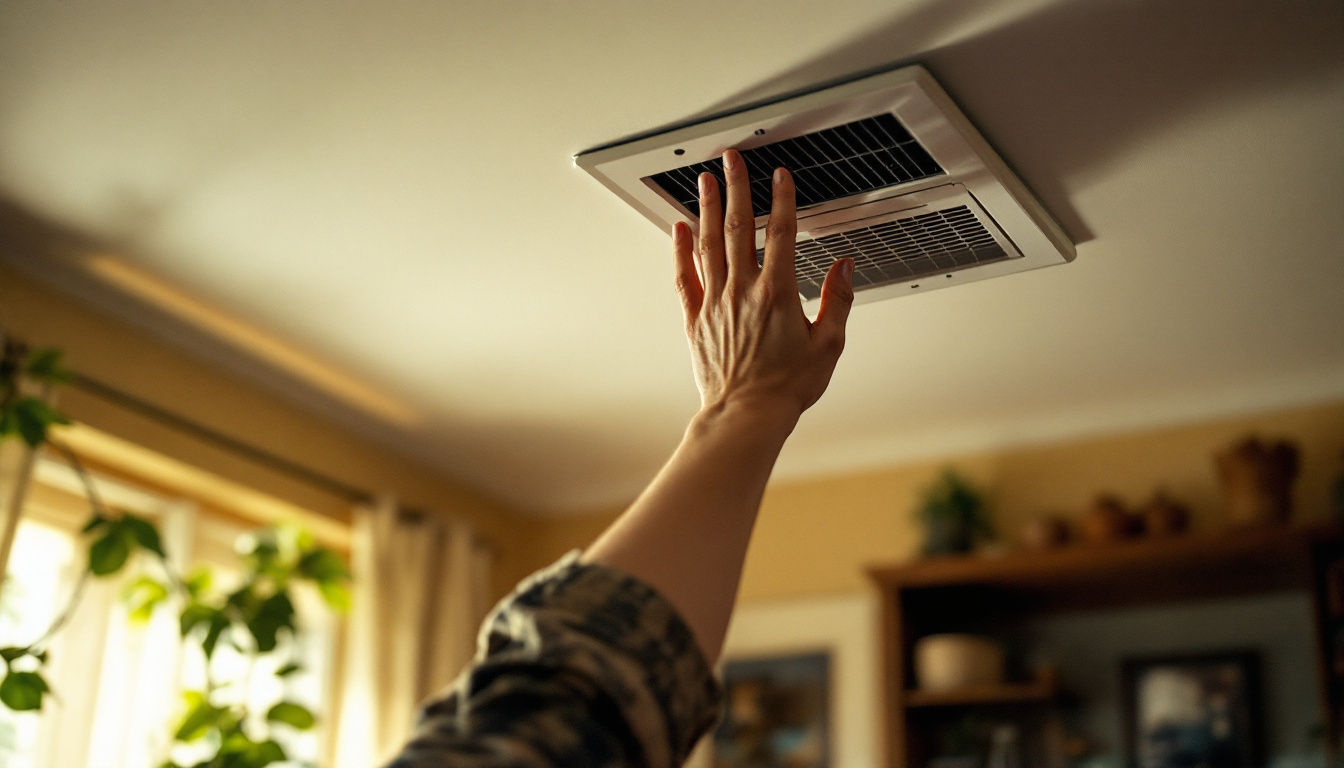
    Start at the vents with your hand. Everything below follows from what you feel there.

    Step 1: air is moving but it is not cold

    The blower is working, so the problem is on the refrigeration side or the equipment is not being asked to cool.

    1. Check the thermostat is set to cool and below room temperature. This is not condescension; it is the most common non-fault.
    2. Check the outdoor unit is running. If the indoor fan runs and the outdoor unit is silent, look at the breaker and the outdoor disconnect.
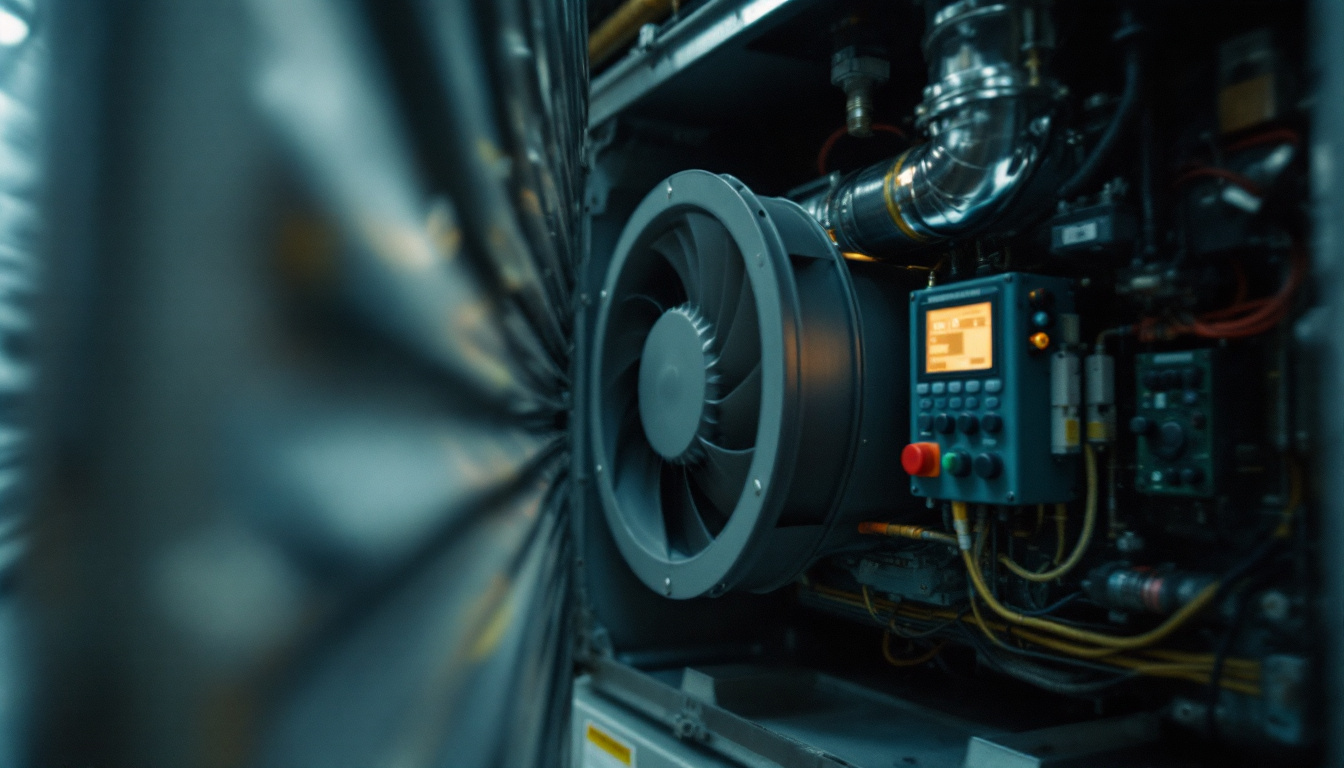
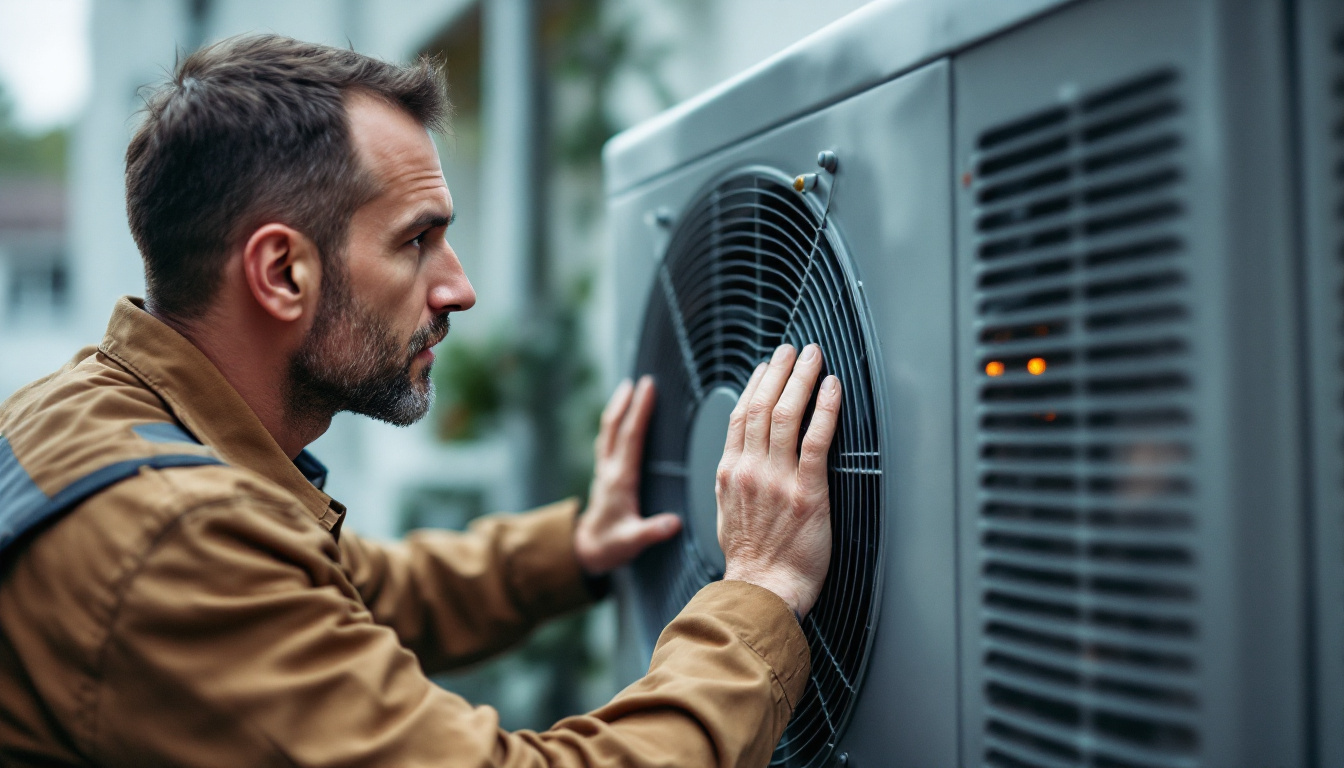
    3. If the outdoor unit hums but the fan does not turn, that pattern usually points at a capacitor or contactor. See what that noise means.
    4. If everything runs and the air is still warm, the likely causes are low refrigerant charge from a leak or a compressor not pumping. Both need measurement.

    Step 2: barely any air is coming out

    The refrigeration side may be fine. The system cannot deliver what it is producing.

    1. Check the filter. The single most common airflow restriction, and the only one most homeowners can fix.
    2. Check for ice on the indoor coil or refrigerant lines. A frozen coil blocks airflow almost completely. See the two causes of freezing.
    3. Check registers and returns are open and unobstructed, including by furniture and rugs.
    4. If airflow is weak everywhere with a clean filter and no ice, the constraint is usually ductwork or the blower. See why static pressure matters.

    Step 3: it cools, but not enough on hot days

    This is a different failure from the first two and gets misdiagnosed as undersizing.

    Pattern Points toward
    Keeps up in mild weather, falls behind above about 90F Capacity or charge marginal, or condenser coil dirty
    One or two rooms never satisfy, rest are fine Distribution, not capacity
    Cools but the house feels clammy Short cycling, often oversizing
    Runs continuously and never satisfies Charge, airflow, or genuine undersizing

    The clammy case is the one most often answered with a larger system, which makes it worse. See why that happens.

    What is genuinely owner fixable

    The thermostat setting, the filter, the breaker, blocked registers, and debris or vegetation against the outdoor coil. That is the whole list. Everything involving refrigerant, the compressor or electrical components requires certification and measurement, and refrigerant work is regulated under 40 CFR part 82.

    Frequently asked questions

    Why is my AC running but not cooling?

    First establish whether air is moving. If air flows but is not cold, the problem is on the refrigeration side: check the thermostat setting, confirm the outdoor unit is running, then suspect low charge or a compressor fault. If air is barely moving, it is an airflow problem: filter, frozen coil, blocked registers or ductwork.

    What should I check before calling a technician?

    Five things: the thermostat is set to cool and below room temperature, the filter is clean, the breaker and outdoor disconnect are on, registers and returns are unobstructed, and the outdoor unit is clear of vegetation and debris. Everything beyond that requires measurement and, for refrigerant work, EPA certification.

    Why does my AC only struggle on the hottest days?

    A system that keeps up in mild weather but falls behind in extreme heat is usually marginal on capacity or charge, or its outdoor coil is dirty enough to limit heat rejection when it matters most. It can also indicate genuine undersizing, which a load calculation rather than a hot afternoon establishes.

    Does low refrigerant mean I need a recharge?

    It means you have a leak. A sealed refrigerant circuit does not lose charge in normal operation, so adding refrigerant without finding the leak restores cooling temporarily while the loss continues. Ask where the leak is and what the plan is if it recurs.

    Methodology and limitations

    This page organises common causes by observable symptom rather than publishing failure frequencies, because no federal source measures residential HVAC fault rates. Refrigerant handling requirements are from 40 CFR part 82.

    • No probability is claimed for any cause. Symptoms overlap and diagnosis requires measurement.
    • Several causes can be present at once, and one can mask another.
    • Refrigerant and electrical work is not owner serviceable.

    Sources

    1. US Environmental Protection Agency, 40 CFR part 82 subpart F, refrigerant handling and technician certification.

    The HVAC Brief is an independent trade publication. We do not sell equipment, take manufacturer advertising, or accept payment for placement in our research. Corrections welcome.
  • Single Stage, Two Stage and Variable Speed: What Changes

    Single Stage, Two Stage and Variable Speed: What Changes

    Last reviewed: September 2026 · By the HVAC Brief Editorial Team · Our sourcing and editorial standards

    The short answer

    Single stage equipment is either off or at full output. Two stage runs at roughly partial or full. Variable capacity modulates continuously across a range. The practical difference is run time, and run time is what determines comfort and dehumidification.

    Most hours of the year a house needs far less than design capacity. Equipment that can only deliver 100% satisfies the thermostat quickly and stops, which is the mechanism behind cool but clammy houses.

    The three types compared

    Single stage Two stage Variable capacity
    Output levels Off or full Off, partial, full Continuous modulation
    Typical cycle length Shorter Longer at partial load Longest, often near continuous
    Dehumidification Limited by short cycles Better Best, coil stays engaged
    Temperature swing Largest Moderate Smallest
    Pairs well with zoning Poorly, surplus air when zones close Better Best
    Equipment cost Lowest Middle Highest

    Why run time matters more than capacity

    Dehumidification happens only while the coil is cold and air is moving across it. A system that reaches setpoint in eight minutes and stops has removed very little moisture. One that runs for forty minutes at partial output removes considerably more while holding a steadier temperature.

    That is why adding capacity to a comfort complaint often makes it worse. The intuitive fix increases output when the actual problem is insufficient run time. See why oversizing causes clamminess.

    Staging does not rescue bad sizing

    Two stage and variable capacity equipment tolerate oversizing better than single stage, because they can run below full output. They do not eliminate the problem. An oversized variable capacity system still spends its life at the bottom of its range, and the sizing calculation still governs. See why square-footage sizing fails.

    Where the extra cost is easiest to justify

    1. Humid climates, where dehumidification matters as much as temperature.
    2. Zoned systems, because modulating equipment produces less surplus air when zones close. See how zoning works.
    3. Houses with large temperature swings between rooms or across the day.
    4. Long run seasons, where more operating hours give the efficiency advantage more opportunity to accumulate.

    Where the season is short and the climate dry, the comfort argument is weaker and single stage equipment remains defensible.

    Frequently asked questions

    What is the difference between single stage and two stage HVAC?

    Single stage equipment is either off or running at full output. Two stage adds a partial output level, so it can run longer at lower capacity when the house needs less. Longer run cycles hold temperature more steadily and remove more humidity, because dehumidification only happens while the coil is running.

    Is variable speed HVAC worth it?

    The case is strongest in humid climates, in zoned systems, and where the cooling or heating season is long. Variable capacity modulates continuously, so it runs closer to the actual load and removes more moisture. In short, dry seasons the comfort advantage is smaller and single stage equipment remains defensible.

    Does variable speed fix an oversized system?

    It tolerates oversizing better than single stage because it can run below full output, but it does not eliminate the problem. An oversized variable capacity system spends its life at the bottom of its range. Correct sizing from a load calculation still governs performance.

    Why does longer run time improve comfort?

    Because moisture removal happens only while the coil is cold and air is moving across it. Short cycles satisfy the thermostat on temperature while removing little humidity, which produces a house that is cool and clammy. Longer cycles at lower output hold temperature steadier and dehumidify considerably more.

    Methodology and limitations

    This page describes control behaviour and its consequences. We publish no efficiency or savings figures for staging types, as the result depends on equipment, climate, sizing and ductwork.

    • No percentage saving is claimed for any staging type.
    • Manufacturer implementations of two stage and variable capacity differ.
    • Nothing here is a recommendation for a specific installation.

    The HVAC Brief is an independent trade publication. We do not sell equipment, take manufacturer advertising, or accept payment for placement in our research. Corrections welcome.
  • HVAC Noises: Which Ones Mean Shut It Off Now

    HVAC Noises: Which Ones Mean Shut It Off Now

    Last reviewed: September 2026 · By the HVAC Brief Editorial Team · Our sourcing and editorial standards

    The short answer

    An HVAC noise is worth acting on when it is new, and worth acting on immediately when it is metallic, electrical or accompanied by the system not starting. Normal operation makes sound; a change in sound is the signal.

    The most common actionable one is a hum or buzz from the outdoor unit with the fan not turning, which typically points at a capacitor or contactor rather than at the compressor.

    What each noise usually indicates

    Noise Where Usually means Act
    Humming or buzzing, fan not turning Outdoor unit Capacitor or contactor not starting the motor Shut off, service call
    Metallic clanking or banging Outdoor unit Loose or contacting component, debris in the fan Shut off immediately
    Screeching or squealing Either Bearing or belt in older equipment Service call
    Rattling that changes with speed Indoor unit Loose panel, debris, blower imbalance Inspect
    Whistling at registers Ductwork High static pressure, restricted airflow Check filter, then ductwork
    Booming at start of heating Furnace Delayed ignition, gas accumulating before lighting Shut off, service call
    Gurgling Indoor unit Condensate drain, sometimes normal Monitor drainage

    The two that should stop you using the system

    1. Metallic clanking or banging from the outdoor unit. Something is contacting something that it should not. Running it turns a small repair into a larger one, and debris in a fan can destroy the blade and motor.
    2. A boom or whoomph when heating starts. That pattern is consistent with delayed ignition, where gas accumulates briefly before lighting. It is a combustion safety concern rather than a noise complaint.
    Whistling registers are a duct message

    Air whistling through registers means it is moving through a smaller opening than it wants to. That is high static pressure, and the usual first cause is a restrictive or loaded filter. If a fresh filter does not quiet it, the ductwork is the constraint. See why static pressure matters and how filter choice affects airflow.

    Frequently asked questions

    Why is my air conditioner making a buzzing noise?

    A hum or buzz from the outdoor unit with the fan not turning usually points at a capacitor or contactor failing to start the motor, rather than at the compressor itself. The motor is receiving power but not rotating. Shut the system off to avoid overheating the motor and have it measured.

    Which HVAC noises are serious?

    Two warrant shutting the system down. Metallic clanking or banging from the outdoor unit means something is contacting something it should not, and running it worsens the damage. A boom when heating starts is consistent with delayed ignition, which is a combustion safety concern rather than a noise complaint.

    Why do my vents whistle?

    Air is being forced through a smaller opening than it wants, which indicates high static pressure. The most common first cause is a restrictive or loaded filter. If a fresh filter does not resolve it, the ductwork itself is the constraint, often undersized returns or crushed flexible duct.

    Is it normal for an HVAC system to make noise?

    Yes. Blowers, compressors and expanding ductwork all produce sound in normal operation. The diagnostic signal is change: a noise that is new, that is getting louder, or that coincides with reduced performance. A system that has always hummed quietly and now clanks has told you something.

    Methodology and limitations

    This page maps noises to mechanisms. We publish no frequencies, as no federal source measures residential HVAC fault rates by symptom.

    • Noises overlap between causes and correct diagnosis requires inspection and measurement.
    • Combustion and electrical concerns are safety matters, not maintenance items.
    • Nothing here is a diagnosis for a specific system.

    The HVAC Brief is an independent trade publication. We do not sell equipment, take manufacturer advertising, or accept payment for placement in our research. Corrections welcome.
  • The Five Types of Air Conditioning, and How to Choose

    The Five Types of Air Conditioning, and How to Choose

    Last reviewed: September 2026 · By the HVAC Brief Editorial Team · Our sourcing and editorial standards

    The short answer

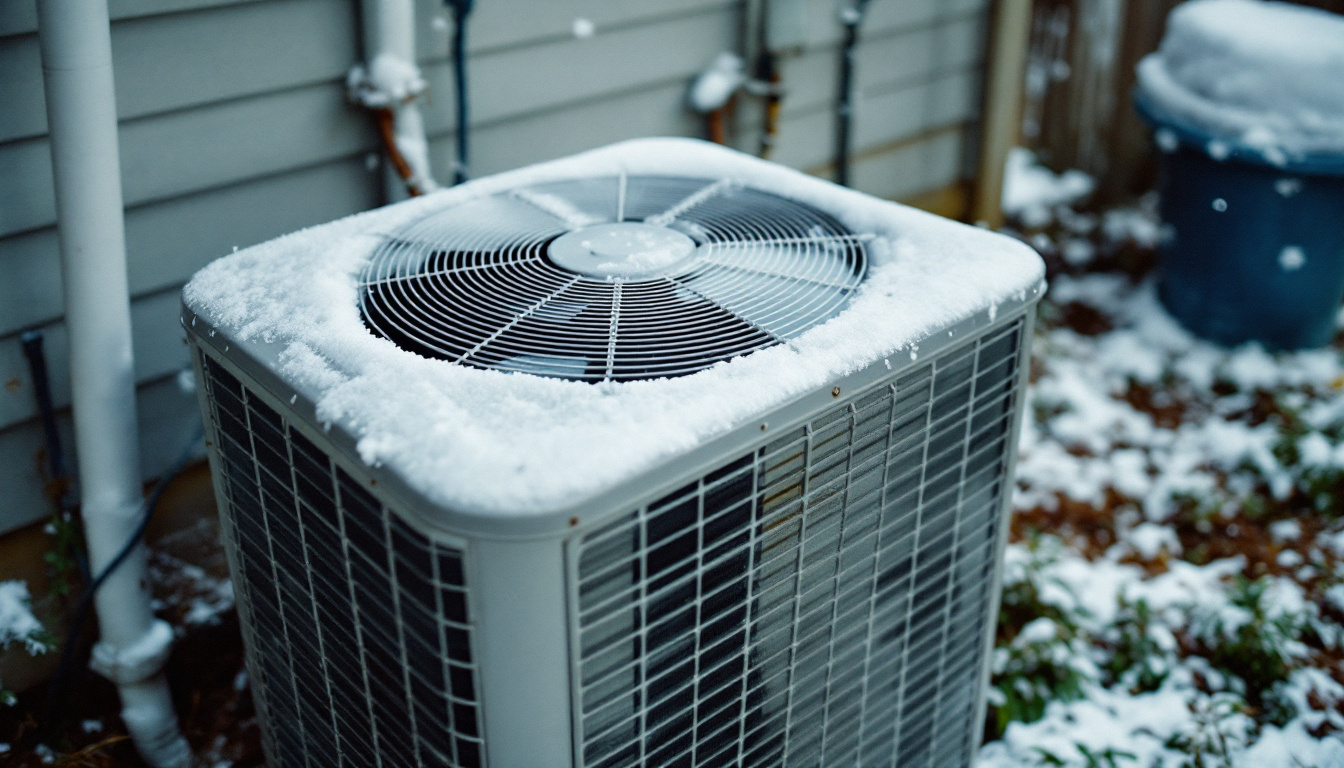
    Residential cooling comes in five forms, and the deciding factor is almost always whether the house has usable ductwork. Central split systems dominate where ducts exist; ductless mini splits dominate where they do not.

    109.51 million of 123.53 million US homes use air conditioning equipment, about 89%, per EIA survey data.

    The five types

    Type Needs ductwork Heats as well Efficiency metric
    Central split system air conditioner Yes No, paired with a furnace SEER2
    Heat pump, ducted Yes Yes SEER2 and HSPF2
    Ductless mini split No Usually yes SEER2 and HSPF2
    Packaged unit Yes Depends on configuration SEER2
    Room or window unit No Some models CEER

    Note that room units are rated on a different scale, CEER, and cannot be compared with central equipment by rating. Their minimums rose sharply for units manufactured from May 26, 2026. See our breakdown of the new levels.

    How to narrow it down

    1. Does the house have sound ductwork? If yes, central split or ducted heat pump is usually the efficient answer. If no, the cost of adding ducts is normally the largest single line in a retrofit.
    2. Do you need heat as well? A heat pump covers both in one machine. An air conditioner needs a separate heat source.
    3. Is the problem the whole house or one space? One stubborn room is a distribution problem, and upsizing the central system for it oversizes everything else.
    4. Is there space for an outdoor unit? Packaged units put everything outside, which matters where indoor plant space does not exist.
    5. Is this permanent? Rentals and short occupancies change the calculation toward room units.
    Split, packaged, ductless, in plain terms

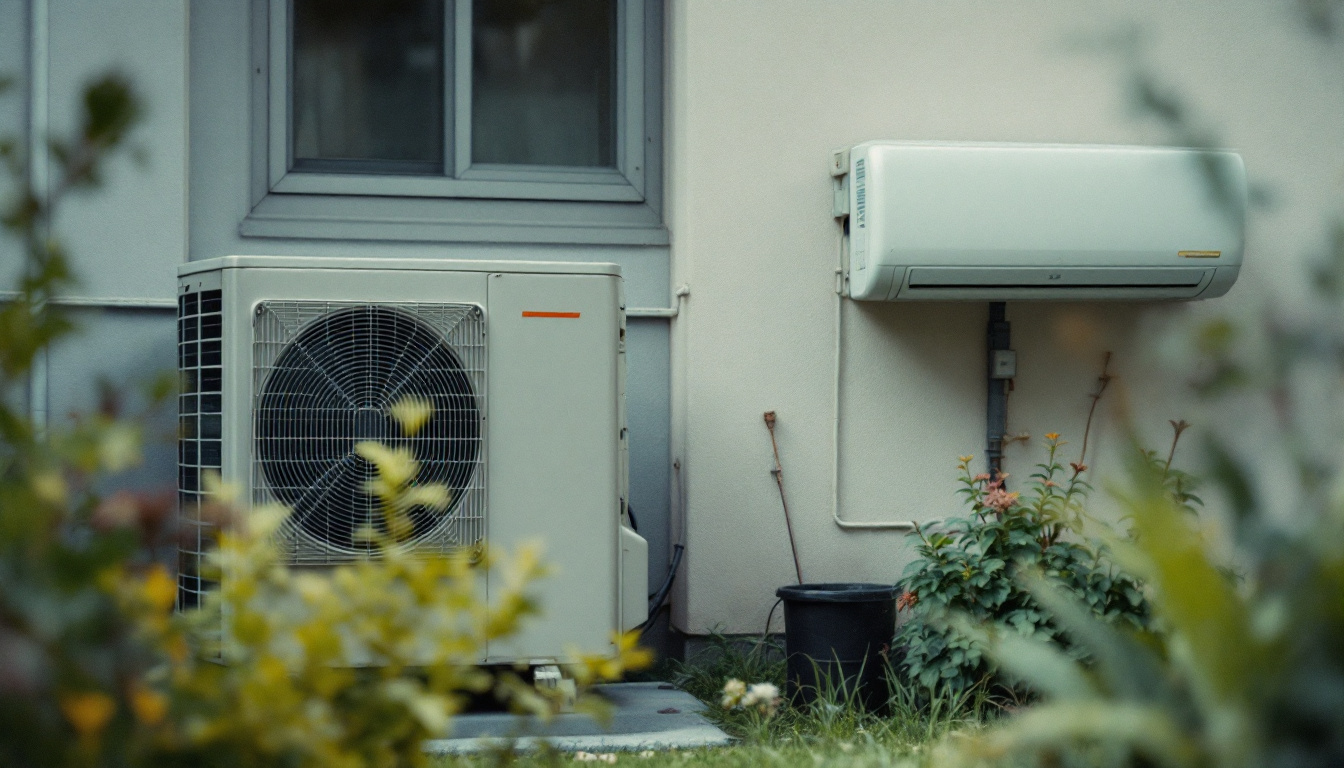
    A split system has an outdoor unit and a separate indoor unit connected by refrigerant lines. A packaged unit puts everything in one outdoor cabinet and connects to the house with ducts. Ductless is a split system where the indoor units sit in the rooms rather than feeding ductwork.

    Frequently asked questions

    What are the types of air conditioning systems?

    Five in residential use: central split system air conditioners, ducted heat pumps, ductless mini splits, packaged units, and room or window units. The first four are rated on SEER2, while room units use a separate CEER scale that is not comparable. Whether the house has usable ductwork usually decides between them.

    What is the difference between a split and a packaged system?

    A split system separates the outdoor unit containing the compressor and condenser from an indoor unit containing the evaporator and blower, connected by refrigerant lines. A packaged unit puts all components in one outdoor cabinet and connects to the house through ducts. Packaged units suit houses without indoor plant space.

    Which type of air conditioning is most efficient?

    Central equipment and mini splits share the SEER2 scale, so rated efficiency compares directly between them. The structural difference is duct losses, which ducted systems incur and ductless systems do not. Room units use the separate CEER scale and cannot be compared by rating with either.

    Can I add central air to a house without ducts?

    Yes, but installing a duct system is normally the largest single cost in that retrofit, which is why ductless mini splits are common in houses heated by boilers or baseboards. The choice usually turns on whether ductwork can be routed sensibly rather than on the cooling equipment itself.

    Methodology and limitations

    Installed base figures are EIA RECS 2020 table HC7.1. Efficiency metrics are those defined in 10 CFR 430.32.

    • We publish no installed costs, as no federal series measures them.
    • SEER2 and CEER are different measures on different equipment classes and are not comparable.
    • Which type suits a specific house requires a load calculation for that house.

    Sources

    1. US Energy Information Administration, Residential Energy Consumption Survey 2020, table HC7.1.
    2. US Department of Energy, 10 CFR 430.32, efficiency standards.

    The HVAC Brief is an independent trade publication. We do not sell equipment, take manufacturer advertising, or accept payment for placement in our research. Corrections welcome.
  • How a Heat Pump Works, and Why It Beats 100% Efficiency

    How a Heat Pump Works, and Why It Beats 100% Efficiency

    Last reviewed: September 2026 · By the HVAC Brief Editorial Team · Our sourcing and editorial standards

    The short answer

    A heat pump heats by moving heat rather than making it, which is why it can deliver more heat energy than the electrical energy it consumes. A furnace can never exceed 100% of the fuel energy it burns; a heat pump routinely exceeds 100% of its electrical input because it is transporting, not generating.

    There is heat in outdoor air even in winter. A heat pump extracts it, concentrates it by compression, and releases it indoors. Running the cycle in reverse gives you air conditioning.

    Why moving heat beats making it

    Combustion converts fuel to heat, and the ceiling is the fuel’s energy content. A 95% AFUE furnace delivers 95% of it. A heat pump is not converting anything: it uses electricity to run a compressor that relocates heat that already exists outdoors.

    That is why heat pump efficiency is expressed as HSPF2 rather than as a percentage. The measure describes heat delivered per unit of electricity across a heating season, and the ratio is greater than one.

    The cycle, in heating mode

    1. Outdoor coil absorbs heat. Refrigerant colder than the outdoor air takes heat from it and evaporates.
    2. Compressor concentrates it. Raising pressure raises temperature, so the vapour becomes hot enough to be useful indoors.
    3. Indoor coil releases heat. The hot vapour condenses, giving its heat to indoor air.
    4. Metering device drops the pressure and the refrigerant returns to the outdoor coil cold enough to absorb heat again.
    5. A reversing valve swaps the roles of the two coils, which is how the same machine provides cooling.

    Why performance falls as it gets colder

    Condition What happens
    Mild outdoor temperature Plenty of heat available outdoors, cycle runs efficiently
    Colder outdoor temperature Less heat available per unit of air, compressor works harder for less output
    Below the balance point Heat pump output no longer meets the house load, supplementary heat engages
    Frost on the outdoor coil Defrost cycle runs, briefly reversing to clear ice

    The balance point is where the heat pump’s declining output crosses the house’s rising demand. Below it, supplementary heat makes up the difference, which is usually electric resistance and much less efficient. That is why cold-climate performance depends on the equipment and the house rather than on the technology alone.

    Defrost is not a fault

    A heat pump that briefly blows cool air, steams outdoors and makes a change-of-note sound is almost certainly running a defrost cycle. The outdoor coil accumulates frost because it is colder than the air around it, and the system reverses briefly to clear it. It is designed behaviour, not a failure.

    How common are they

    Heat pumps are the main heating equipment in 16.13 million US homes, about 13.1% of the housing stock, while taking close to half of new central shipments. See our shipment share analysis and our comparison against gas furnaces.

    Frequently asked questions

    How does a heat pump work for heating?

    It moves heat rather than generating it. Refrigerant colder than the outdoor air absorbs heat from it and evaporates, a compressor raises the pressure so the vapour becomes hot enough to be useful, and the indoor coil releases that heat into the house. A reversing valve swaps the coils to provide cooling instead.

    How can a heat pump be more than 100% efficient?

    Because it is not converting energy into heat, it is transporting heat that already exists. A furnace is limited by the energy content of the fuel it burns. A heat pump uses electricity to relocate outdoor heat indoors, so heat delivered can exceed electricity consumed. Performance is rated as HSPF2 rather than as a percentage.

    Do heat pumps work in cold weather?

    They operate, but output falls as outdoor temperature drops because less heat is available per unit of air. Below the balance point, where output no longer meets the house load, supplementary heat makes up the difference. Cold-climate suitability depends on the specific equipment and house rather than on the technology in general.

    Why does my heat pump blow cold air sometimes?

    Usually a defrost cycle. Frost accumulates on the outdoor coil because it runs colder than the surrounding air, and the system briefly reverses to melt it, which means the indoor side is not delivering heat for those minutes. Steam from the outdoor unit during this is normal, not a fault.

    Methodology and limitations

    Efficiency metrics are those defined in 10 CFR 430.32. Installed base figures are EIA RECS 2020. Shipment share is from the AHRI June 2026 Statistical Release.

    • We publish no coefficient of performance figures, which vary by equipment and operating condition.
    • Balance point is house and equipment specific and requires calculation.
    • Nothing here is a recommendation for a specific installation.

    Sources

    1. US Department of Energy, 10 CFR 430.32, efficiency standards and metrics.
    2. US Energy Information Administration, Residential Energy Consumption Survey 2020, table HC6.1.

    The HVAC Brief is an independent trade publication. We do not sell equipment, take manufacturer advertising, or accept payment for placement in our research. Corrections welcome.
  • What HVAC Smells Mean, and Which One Is an Emergency

    What HVAC Smells Mean, and Which One Is an Emergency

    Last reviewed: September 2026 · By the HVAC Brief Editorial Team · Our sourcing and editorial standards

    The short answer

    A musty smell from air conditioning is almost always moisture sitting somewhere it should be draining from, most often the evaporator coil or the drain pan. A burning smell and a gas smell are different categories entirely and one of them is an emergency.

    Sort the smell first. Musty is a maintenance problem. Electrical burning is a service call. Gas or sulphur means leave the building and call the utility.

    What each smell usually means

    Smell Usual cause Urgency
    Musty, damp, “dirty sock” Moisture on the coil or in the drain pan, biological growth Maintenance
    Burning dust, first heat of the season Dust burning off the heat exchanger, usually clears in minutes Monitor
    Electrical, acrid, plastic Overheating component or wiring Shut down, service call
    Rotten egg or sulphur Odorant added to natural gas, indicating a gas leak Leave, then call the gas utility
    Exhaust or car-like Possible combustion venting problem Shut down, service call

    Why musty smells come back after cleaning

    Cooling removes humidity by condensing water onto the coil. That water is supposed to leave through the drain pan and condensate line. When it lingers, on a coil that stays damp between cycles or in a pan that drains slowly, the conditions for growth are continuous rather than occasional.

    1. Check the condensate drain first. A slow or blocked line keeps standing water in the pan.
    2. Consider run time. An oversized system short cycles, leaving the coil wet without moving enough air to dry it. See why oversizing causes clamminess.
    3. Change the filter. A loaded filter holds moisture and restricts the airflow that would otherwise dry the coil.
    4. Look at the ductwork. Ducts through unconditioned space can sweat internally, which no coil cleaning will address.

    Cleaning treats the growth. Drainage, run time and airflow determine whether it returns.

    The one smell that is not a diagnosis question

    Rotten egg or sulphur is the odorant deliberately added to natural gas so leaks are detectable. It is not an HVAC troubleshooting item. Leave the building, do not operate switches, and call the gas utility from outside. Everything else on this page can wait; that cannot.

    Frequently asked questions

    Why does my air conditioning smell musty?

    Moisture sitting where it should be draining, usually on the evaporator coil or in the drain pan. Cooling condenses water out of the air, and that water should leave through the condensate line. When it lingers because the drain is slow or the coil stays wet between short cycles, growth follows.

    Why does my heating smell like burning when I first turn it on?

    Dust that settled on the heat exchanger over the cooling season burning off at first use. It typically clears within minutes. A burning smell that persists, or smells acrid, electrical or like hot plastic, is different: shut the system down and have it inspected.

    What should I do if my HVAC smells like rotten eggs?

    Treat it as a gas leak. That smell is the odorant added to natural gas so leaks can be detected. Leave the building, avoid operating electrical switches, and call your gas utility from outside. It is not a troubleshooting question and it should not wait for an HVAC service call.

    Does cleaning the coil stop the smell coming back?

    Cleaning removes existing growth, but whether it returns depends on drainage, run time and airflow. A slow condensate drain, an oversized system that short cycles and leaves the coil wet, or restricted airflow all recreate the conditions. Address those and cleaning holds; ignore them and it does not.

    Methodology and limitations

    This page describes common causes by mechanism. We publish no frequencies, as no federal source measures residential HVAC odour causes.

    • Smells can have causes outside the HVAC system, including plumbing traps and building materials.
    • Gas and combustion concerns are safety matters, not maintenance items.
    • Nothing here is a diagnosis for a specific system.

    The HVAC Brief is an independent trade publication. We do not sell equipment, take manufacturer advertising, or accept payment for placement in our research. Corrections welcome.

  • HVAC Zoning Systems: What They Fix and What They Cannot

    HVAC Zoning Systems: What They Fix and What They Cannot

    Last reviewed: September 2026 · By the HVAC Brief Editorial Team · Our sourcing and editorial standards

    The short answer

    An HVAC zoning system divides one ducted system into separately controlled areas using motorised dampers and a thermostat per zone. It solves uneven temperatures without adding a second system.

    It also introduces a failure mode people underestimate: closing dampers raises static pressure across the blower, so a zoning system fitted to marginal ductwork makes airflow problems worse rather than better.

    How zoning works

    1. Motorised dampers in the duct branches open and close to direct air toward zones calling for conditioning.
    2. A thermostat per zone reports demand rather than controlling the equipment directly.
    3. A zone control panel arbitrates between competing calls and drives the dampers and the equipment.
    4. A bypass or pressure relief strategy handles the air the equipment moves when most dampers are closed.

    That last item is where zoning succeeds or fails. Single stage equipment produces one airflow rate whether one zone is calling or all of them are, and the system has to do something with the surplus.

    Zoning versus the alternatives

    Approach How it handles uneven temperatures Main limitation
    Zoning a ducted system Dampers direct air where it is called for Raises static pressure when zones close; needs a relief strategy
    Ductless mini splits A head per space, inherently zoned Equipment in each room, higher visible hardware
    Duct rebalancing Fixes the distribution rather than controlling around it Only works if the duct system can be corrected
    Variable capacity equipment Modulates output so surplus air is smaller Higher equipment cost

    Zoning and variable capacity equipment pair well, because equipment that can reduce output has less surplus air to dispose of when zones close. Our guide to ductless mini splits covers the alternative approach.

    Zoning does not fix bad ductwork

    If a room is uncomfortable because its duct run is undersized, crushed or leaking, adding a damper upstream does not deliver more air to it. Zoning controls distribution between zones that can each be adequately served. Where the underlying distribution is broken, zoning layers control on top of a problem it cannot reach. See why static pressure matters.

    Frequently asked questions

    What is an HVAC zoning system?

    A way of dividing one ducted system into separately controlled areas, using motorised dampers in the duct branches, a thermostat in each zone, and a control panel that arbitrates between competing calls. It lets one system hold different temperatures in different parts of a house.

    Does zoning save money?

    It can reduce conditioning of unused space, but the saving depends on how the house is occupied and how the system handles surplus air when zones close. We publish no percentage figure, because no federal source measures zoning savings and the result varies with equipment, ductwork and occupancy.

    Will zoning fix a room that is always too hot?

    Only if that room’s duct run can already deliver enough air. If the run is undersized, crushed or leaking, a damper upstream cannot deliver more air than the duct will carry. In that case the distribution needs correcting rather than controlling.

    Is zoning better than mini splits?

    They solve the same problem differently. Zoning uses existing ductwork with dampers and suits houses where the duct system is sound. Mini splits place a head in each space and suit houses without usable ductwork. Neither is universally better; the existing distribution usually decides.

    Methodology and limitations

    This page describes system architecture and control behaviour. We publish no savings figures, as no federal source measures residential zoning savings.

    • No percentage saving is claimed for zoning.
    • Bypass and pressure relief strategies vary by installer and equipment. Manufacturer guidance governs.
    • Nothing here is a design recommendation for a specific house.

    The HVAC Brief is an independent trade publication. We do not sell equipment, take manufacturer advertising, or accept payment for placement in our research. Corrections welcome.

  • Why an AC Freezes Up: Two Causes, and How to Tell Them Apart

    Why an AC Freezes Up: Two Causes, and How to Tell Them Apart

    Last reviewed: September 2026 · By the HVAC Brief Editorial Team · Our sourcing and editorial standards

    The short answer

    An air conditioner freezes up for one of two reasons: not enough air moving across the coil, or not enough refrigerant in it. Both drop the coil below freezing, and condensation that would normally drain away turns to ice instead.

    Ice is a symptom, never the fault. Melting it restores operation temporarily and tells you nothing, because whatever pushed the coil below freezing is still there.

    The two causes are distinguishable, and the distinction matters because one is often owner-fixable and the other never is.

    The two causes, and how to tell them apart

    Restricted airflow Low refrigerant charge
    What happens Too little warm air crosses the coil to keep it above freezing Lower pressure drops the coil’s operating temperature below freezing
    Typical cause Blocked filter, closed registers, duct restriction, failing blower A leak. Sealed systems do not lose charge otherwise
    Owner checkable Yes, start with the filter No
    Recurs after thawing Yes, unless the restriction is cleared Yes, and gets worse as more charge escapes

    What to do when you find ice

    1. Turn the cooling off, leave the fan on. Running the fan without the compressor thaws the coil using indoor air.
    2. Do not chip the ice. Coil fins and tubing damage easily and a puncture turns a diagnosis into a replacement.
    3. Expect water. A thawing coil can overwhelm the drain pan, which is why frozen coils and indoor water often appear together.
    4. Change the filter while it thaws, since restricted airflow is the most common and most fixable cause.
    5. Watch what happens on restart. If it freezes again, the cause is unresolved and measurement is needed.
    Why “it just needs a recharge” is the wrong answer

    A sealed refrigerant circuit does not lose charge in normal operation, so low charge means a leak. Adding refrigerant restores cooling until enough has escaped again. Every recharge without a repair vents a controlled substance and delays the actual fix. Ask where the leak is.

    Why this connects to sizing and ductwork

    Restricted airflow is often a system design problem rather than a maintenance one. Undersized returns, crushed flexible duct and high static pressure all starve the coil of air continuously. If freezing recurs with a clean filter, the ductwork is the place to look. See why static pressure matters and how filter choice affects airflow.

    Frequently asked questions

    Why is my air conditioner freezing up?

    Either restricted airflow across the evaporator coil or low refrigerant charge. Both drop the coil below freezing so condensation turns to ice instead of draining. Restricted airflow usually starts with a blocked filter, closed registers or duct restriction. Low charge means a leak, because sealed systems do not lose refrigerant otherwise.

    How do I defrost a frozen AC?

    Switch cooling off and leave the fan running, which thaws the coil with indoor air. Do not chip or scrape the ice, because coil fins and tubing puncture easily. Expect water as it melts, since a thawing coil can overwhelm the drain pan. Change the filter while you wait.

    Will a frozen AC fix itself?

    It will thaw, but it will not fix itself. Ice is a symptom of restricted airflow or low charge, and thawing removes the ice without removing the cause. If the system freezes again after restarting, the underlying fault is unresolved and requires measurement to identify.

    Can a dirty filter cause an AC to freeze?

    Yes, and it is the most common cause. A restricted filter reduces the volume of warm indoor air crossing the evaporator coil, letting coil temperature fall below freezing. It is also the one cause a homeowner can address directly, which is why the filter is the first thing to check.

    Methodology and limitations

    This page describes the physical mechanism by which evaporator coils freeze. We publish no failure frequencies, as no federal source measures residential HVAC fault rates.

    • The two causes described can occur together, and diagnosis requires measurement.
    • Refrigerant work requires EPA Section 608 certification and is not owner serviceable.
    • Nothing here is a diagnosis for a specific system.

    The HVAC Brief is an independent trade publication. We do not sell equipment, take manufacturer advertising, or accept payment for placement in our research. Corrections welcome.
  • What the AC Condenser Does, and What Actually Fails in It

    What the AC Condenser Does, and What Actually Fails in It

    Last reviewed: September 2026 · By the HVAC Brief Editorial Team · Our sourcing and editorial standards

    The short answer

    The condenser is the outdoor half of your air conditioner, and its job is to dump the heat your house just gave up. The cabinet contains the compressor, the condenser coil and a fan that pulls outdoor air across that coil.

    Because its whole function is rejecting heat to outdoor air, anything blocking airflow across the coil degrades the entire system. That is why the most common condenser problem is not a failed part but a dirty one.

    What is inside the outdoor unit

    Component Function Common failure
    Compressor Raises refrigerant pressure and temperature Expensive failure, often decides replace over repair
    Condenser coil Releases heat to outdoor air Blocked by dirt, grass, cottonwood or debris
    Condenser fan Pulls air across the coil Motor failure, or capacitor preventing start
    Capacitor Provides starting torque Common wear item, stops compressor or fan starting
    Contactor Switches power to the unit Electrical wear item

    Why a blocked coil matters more than it looks

    Heat rejection depends on air moving freely across the coil fins. Restrict that airflow and head pressure rises, capacity falls, the compressor works harder and runs hotter, and efficiency drops across every hour of operation.

    1. Keep the fins clear. Vegetation, fencing and stored items too close to the cabinet restrict airflow.
    2. Watch seasonal debris. Cottonwood, grass clippings and leaves mat against fins quickly.
    3. Do not stack things on top. Most units discharge air upward through the top.
    4. Straighten bent fins carefully or not at all. Damaged fins reduce surface area permanently.

    Clearance around the unit is the one piece of condenser maintenance a homeowner can reliably do. Anything involving the refrigerant circuit or electrical components is a service call.

    Fan not spinning is not one problem

    A condenser fan that does not start can be a failed capacitor, a failed fan motor, or a contactor not pulling in. Those are different repairs at very different costs, and they are distinguished by measurement rather than by observation. A capacitor is a cheap wear part; a compressor is the failure that usually decides replacement.

    Condenser versus compressor versus condensing unit

    These get used interchangeably and they are not the same. The condenser is strictly the coil that rejects heat. The compressor is the pump inside the cabinet. The condensing unit is the whole outdoor assembly containing both. When a quote says the condenser needs replacing, ask which of the three is meant, because the cost difference is large.

    Frequently asked questions

    What does an AC condenser do?

    It releases the heat collected from inside your house to the outdoor air. Refrigerant arrives as hot high pressure vapour, passes through the condenser coil while a fan draws outdoor air across it, and condenses back into liquid as it gives up that heat. The coil, compressor and fan sit in the outdoor cabinet.

    Why is my condenser fan not spinning?

    Common causes are a failed capacitor, a failed fan motor, or a contactor not closing. These are different repairs at very different costs and are distinguished by electrical measurement rather than observation. A capacitor is an inexpensive wear part, while motor replacement costs more.

    Is the condenser the same as the compressor?

    No. The condenser is the coil that rejects heat to outdoor air. The compressor is the pump that raises refrigerant pressure. The condensing unit is the entire outdoor cabinet containing both. The three are often used interchangeably, and the cost of replacing each differs considerably.

    How much clearance does an outdoor unit need?

    Enough for air to move freely across the coil and discharge from the top without recirculating. Manufacturer instructions specify the requirement for a given model. In practice the failures we see described are vegetation grown against the fins, fencing built too close, and items stacked on top of the cabinet.

    Methodology and limitations

    This page describes standard split system architecture and component function. We publish no repair prices, as no federal series measures HVAC component repair costs.

    • No failure frequencies are claimed. No federal source measures residential HVAC component failure rates.
    • Clearance requirements are set by manufacturer instructions for the specific model.
    • Electrical and refrigerant work is not owner serviceable.

    The HVAC Brief is an independent trade publication. We do not sell equipment, take manufacturer advertising, or accept payment for placement in our research. Corrections welcome.

  • What Is Refrigerant, and Why Freon Is Not the Answer

    What Is Refrigerant, and Why Freon Is Not the Answer

    Last reviewed: September 2026 · By the HVAC Brief Editorial Team · Our sourcing and editorial standards

    The short answer

    Refrigerant is the working fluid that carries heat out of your house, and “Freon” is a brand name, not a type. Freon was DuPont’s trademark, applied across several different chemicals, which is why the word tells you nothing about what is actually in your system.

    What matters is which refrigerant you have. R-22 has not been produced in the US since January 1, 2020. R-410A cannot go into new residential equipment built after January 1, 2025. New systems use R-454B or similar.

    Ask a technician what is in your system and the answer should be a designation like R-410A, not a brand. The data plate on the outdoor unit states it.

    What refrigerant actually does

    It does not create cold. It moves heat from inside your house to outside, by changing state. The cycle works because a fluid absorbs heat when it evaporates and releases heat when it condenses.

    1. Evaporator coil, indoors. Low pressure liquid refrigerant absorbs heat from indoor air and boils into vapour. The air leaving the coil is cooler and drier.
    2. Compressor, outdoors. Raises the pressure and temperature of that vapour.
    3. Condenser coil, outdoors. Hot high pressure vapour releases heat to outdoor air and condenses back to liquid.
    4. Metering device. Drops the pressure again, and the cycle repeats.

    The refrigerant is never consumed. It circulates in a sealed loop, which is why a system that needs topping up has a leak rather than an appetite.

    Which refrigerant is in your system

    Refrigerant Typical era Status
    R-22 Systems installed before about 2010 No US production or import since January 1, 2020. Reclaimed material only.
    R-410A Roughly 2010 to 2025 Cannot go in new residential equipment built after January 1, 2025. Servicing is legal.
    R-454B New equipment from 2025 Current. Classified A2L, mildly flammable.

    Our guides cover what remains of R-22 and what R-454B changes in more detail.

    Why “Freon” confuses the conversation

    Freon was a DuPont trademark covering a family of chemicals, not a single substance. A homeowner told their system “needs Freon” learns nothing about which refrigerant, what it costs to source now, or whether the underlying leak was found.

    A system that needs refrigerant has a leak

    A sealed refrigerant circuit does not consume refrigerant in normal operation. If a technician proposes adding refrigerant, the correct question is where the leak is and what happens when it recurs. Repeatedly recharging treats the symptom while venting a controlled substance, and under 40 CFR part 82 venting is prohibited regardless of system size.

    Frequently asked questions

    What is refrigerant in an air conditioner?

    The working fluid that carries heat from inside your house to outside by changing state between liquid and vapour. It absorbs heat when it evaporates at the indoor coil and releases it when it condenses at the outdoor coil. It circulates in a sealed loop and is not consumed in normal operation.

    Is Freon the same as refrigerant?

    Freon is a brand name, originally a DuPont trademark applied to several different chemicals, not a type of refrigerant. Saying a system needs Freon does not identify what is actually in it. The designation that matters is on the outdoor unit data plate, typically R-22, R-410A or R-454B.

    How do I know which refrigerant my system uses?

    Read the data plate on the outdoor unit, which states the refrigerant designation. As a rough guide by age, systems installed before about 2010 often use R-22, systems from roughly 2010 to 2025 use R-410A, and equipment manufactured after January 1, 2025 uses R-454B or a similar low global warming potential blend.

    Does air conditioning refrigerant run out?

    No. Refrigerant circulates in a sealed loop and is not consumed by normal operation. A system that is low has lost refrigerant through a leak. Adding more without locating the leak means the loss continues and the refrigerant escapes into the atmosphere.

    Methodology and limitations

    Refrigerant status dates are from 40 CFR 84.54 for the 700 GWP threshold effective January 1, 2025, and the Clean Air Act Title VI phaseout for R-22 production ending January 1, 2020. Venting prohibitions are in 40 CFR part 82.

    • We publish no refrigerant prices. No federal series tracks residential refrigerant pricing.
    • Era guidance by installation year is approximate. The data plate is authoritative for a specific system.
    • Refrigerant work requires EPA Section 608 certification and is not owner serviceable.

    Sources

    1. US Environmental Protection Agency, 40 CFR 84.54; 40 CFR part 82 subparts A and F.

    The HVAC Brief is an independent trade publication. We do not sell equipment, take manufacturer advertising, or accept payment for placement in our research. Corrections welcome.