Original data and independent reporting for the HVAC trade

Category: Equipment

Heat pumps, furnaces, air conditioners, efficiency standards and brand data.

  • Geothermal Heat Pumps: Loops, Ratings and the Ended Credit

    Geothermal Heat Pumps: Loops, Ratings and the Ended Credit

    Last reviewed: September 2026 · By the HVAC Brief Editorial Team · Our sourcing and editorial standards

    The short answer

    A geothermal heat pump heats and cools a house by exchanging heat with the ground, which the Department of Energy describes as holding a relatively constant 40 to 70°F a few feet below the surface. Because the ground is warmer than winter air and cooler than summer air, the system works less hard than an air-source heat pump.

    The federal 30% tax credit that covered these systems has ended. The IRS states the Residential Clean Energy Credit “is not available for any property placed in service after December 31, 2025.”

    40 to 70°FShallow ground temperature range, per DOE
    3.6ENERGY STAR minimum COP, closed loop water-to-air
    50+ yrsDOE estimated life of the ground loop
    0%Federal credit for systems placed in service in 2026

    How geothermal heating and cooling works

    It is a heat pump, the same refrigeration cycle as central air, that trades heat with the ground through buried pipe instead of with outdoor air.

    1. Water or a water and antifreeze mix circulates through a buried loop, picking up the ground’s heat in winter.
    2. A heat exchanger passes that heat to the refrigerant in the indoor heat pump unit.
    3. The compressor raises the refrigerant’s temperature and the heat is delivered to the house, usually through ducts.
    4. In summer the cycle reverses, pulling heat from the house and rejecting it into the ground.

    DOE notes that geothermal units can also supply hot water if so equipped. For the underlying cycle, see how a heat pump works.

    The four types of ground loop

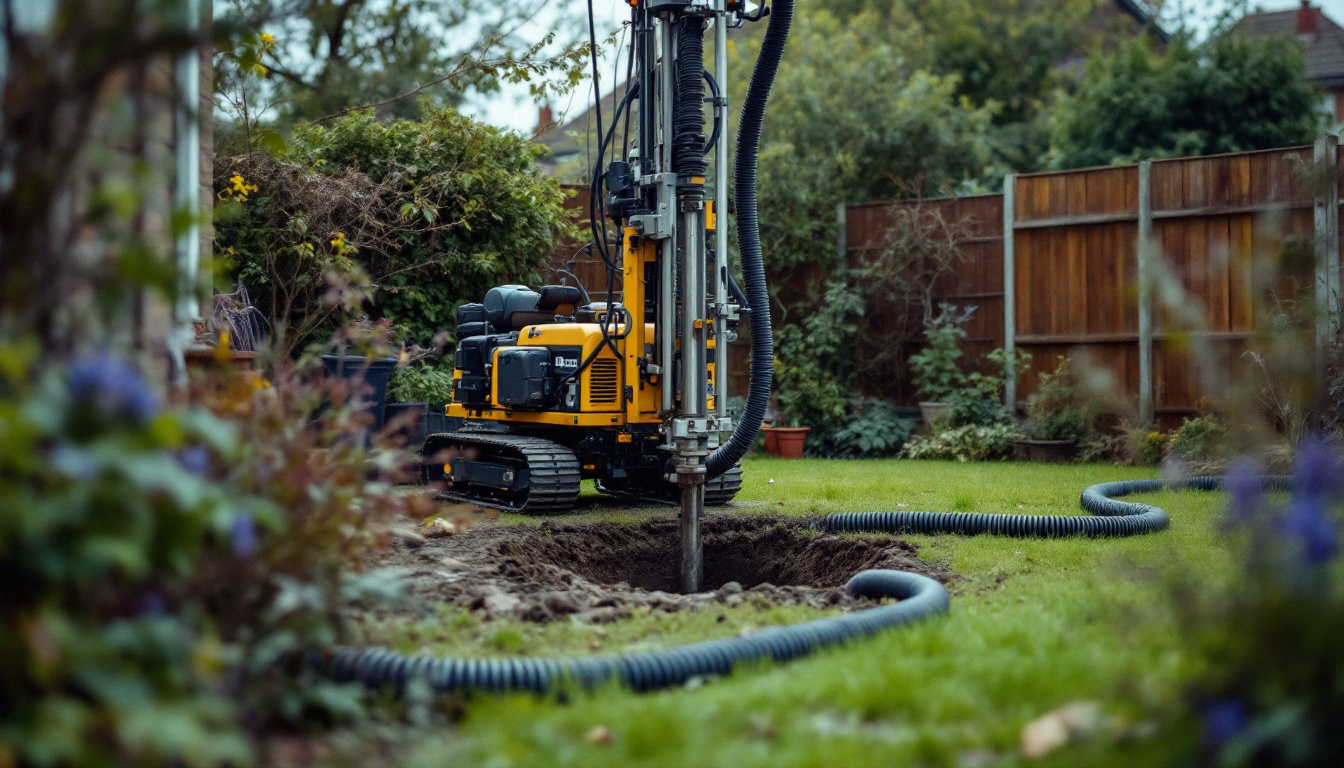
    DOE describes four basic loop types: three closed loops, horizontal, vertical and pond or lake, and one open loop. Climate, soil conditions, available land and local installation costs decide which fits a site.

    Loop How it is installed Where it fits
    Horizontal, closed Pipe laid in trenches at least four feet deep DOE calls it generally most cost-effective for homes, especially new construction with enough land
    Vertical, closed Holes about four inches wide, about 20 feet apart and 100 to 400 feet deep Sites where land for horizontal loops is limited
    Pond or lake, closed Loop submerged in a body of water Properties with suitable water nearby
    Open loop Circulates water from a well or surface source instead of a sealed loop Sites with adequate water supply and discharge options

    A variant called direct exchange skips the water loop and pumps refrigerant through buried copper tubing.

    How efficient geothermal heat pumps are

    ENERGY STAR certification sets minimum efficiency by product type. A closed loop water-to-air unit must reach an EER of 17.1 and a COP of 3.6.

    ENERGY STAR product type Minimum EER Minimum COP
    Closed loop water-to-air 17.1 3.6
    Open loop water-to-air 21.1 4.1
    Closed loop water-to-water 16.1 3.1
    Open loop water-to-water 20.1 3.5
    Direct geoexchange (DGX) 16.0 3.6

    At a COP of 3.6 and the 2025/26 season’s average electricity price, heat from a geothermal unit works out to about $14.47 per million Btu, against $23.70 for a minimum-efficiency air-source heat pump and $18.81 for an 80% gas furnace. That COP is a rated value at test conditions, not a measured seasonal figure. The full comparison is in what heat costs by fuel.

    What it costs and how long it lasts

    No federal series measures installed geothermal prices. DOE’s guidance gives only a relative figure: installation “can be several times that of an air-source system of the same heating and cooling capacity.”

    DOE’s guidance says the extra cost “may be returned in energy savings in 5 to 10 years, depending on the cost of energy and available incentives in your area.” That estimate was written while the 30% federal credit was available, so for a 2026 installation the incentive part of the calculation is smaller.

    On lifespan, DOE estimates system life “up to 24 years for the inside components and 50+ years for the ground loop.” The loop is the expensive part, and it outlasts several indoor units.

    The federal tax credit has ended

    Geothermal heat pumps qualified for the Section 25D Residential Clean Energy Credit, worth 30% of costs, but only for property placed in service by December 31, 2025.

    Question What the IRS says
    Credit rate 30% of the costs of new, qualified clean energy property
    Efficiency requirement “Geothermal heat pumps must meet Energy Star requirements in effect at the time of purchase.”
    Deadline “The credit is not available for any property placed in service after December 31, 2025.”
    Timing rule “You must claim the credit for the tax year when the property is installed, not merely purchased.”

    Some older pages, including government pages written before the change, still describe the credit running into the 2030s. The IRS page governs. State and utility incentives are separate and may still apply. The parallel expiry of the heat pump credit is covered in our 25C report.

    Geothermal versus air-source heat pumps

    DOE’s comparison is that geothermal units are quieter, more efficient, last longer and need little maintenance, and do not depend on outdoor air temperature. The trade-off is the loop: land or drilling, and a much higher installed price.

    EIA’s Residential Energy Consumption Survey does not report ground-source heat pumps separately from other heat pumps, so there is no federal count of homes that use them. For the air-source comparison with gas, see heat pump versus gas furnace.

    Frequently asked questions

    How does geothermal heating and cooling work?

    A heat pump circulates water or antifreeze through pipe buried in the ground or submerged in water, exchanging heat with earth that DOE says holds at roughly 40 to 70°F. In winter it moves ground heat into the house; in summer it moves house heat into the ground.

    Is there still a tax credit for geothermal heat pumps in 2026?

    Not federally. The IRS says the 30% Residential Clean Energy Credit “is not available for any property placed in service after December 31, 2025,” and the credit is claimed for the year the property is installed, not purchased. State and utility incentives may still be available.

    How long do geothermal systems last?

    DOE estimates system life at up to 24 years for the inside components and 50 years or more for the ground loop. No federal survey measures actual replacement ages.

    Is geothermal more efficient than an air-source heat pump?

    Generally yes, because ground temperature is more stable than air temperature. ENERGY STAR closed loop water-to-air units must reach a COP of 3.6, while the federal minimum for split air-source heat pumps, HSPF2 7.5, equates to a seasonal COP of about 2.2. The ratings use different test conditions.

    Methodology and limitations

    DOE statements are quoted from its Energy Saver guidance on geothermal heat pumps, which no longer resolves at energy.gov; we cite the archived copy. ENERGY STAR criteria and the IRS credit rules were checked in September 2026.

    • We publish no installed prices or payback periods of our own, because no federal series measures them.
    • The cost per million Btu uses a rated COP and a national average electricity price.
    • Nothing here is tax advice.

    Sources

    1. US Department of Energy, Energy Saver: Geothermal Heat Pumps, archived copy.
    2. ENERGY STAR, Geothermal Heat Pumps Key Product Criteria.
    3. Internal Revenue Service, Residential Clean Energy Credit.
    4. US Energy Information Administration, Residential Energy Consumption Survey 2020, table HC6.1.

    The HVAC Brief is an independent trade publication. We do not sell equipment, take manufacturer advertising, or accept payment for placement in our research. Corrections welcome.

  • Do Attic Fans Work? It Depends on Your Ceiling

    Do Attic Fans Work? It Depends on Your Ceiling

    Last reviewed: September 2026 · By the HVAC Brief Editorial Team · Our sourcing and editorial standards

    The short answer

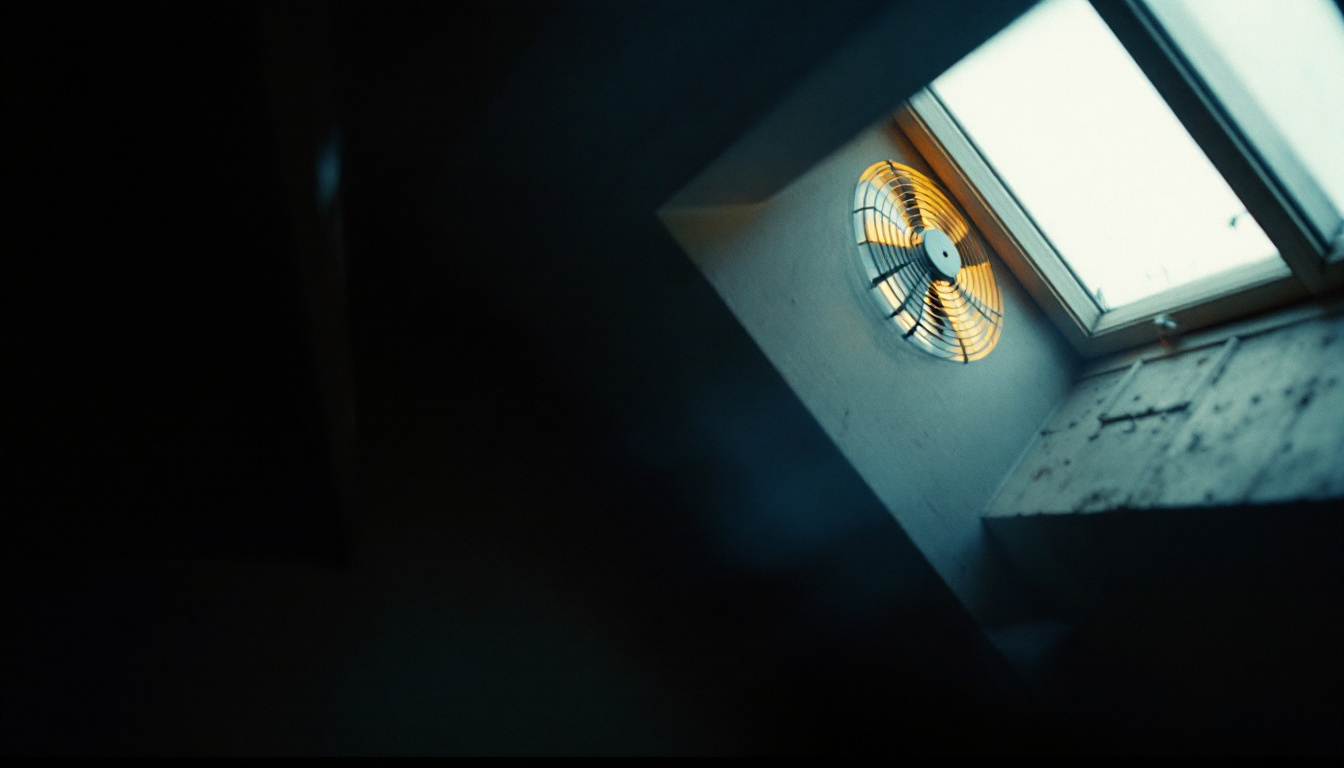
    A powered attic fan pulls air out of the attic, and where the ceiling below is not airtight, some of what it pulls is conditioned air from the house. That is the mechanism behind the long-running argument about them.

    Attic ventilation and attic fans are not the same thing. Passive ventilation through soffit and ridge vents moves air without a motor and without depressurising anything.

    Powered versus passive

    Passive ventilation Powered attic fan
    How air moves Buoyancy and wind, through soffit and ridge vents Motor driven extraction
    Uses electricity No Yes
    Depressurises the attic No Yes, which is the concern
    Risk if ceiling leaks None from the vent itself Can draw conditioned air up through leaks
    Risk with combustion appliances None from the vent itself Depressurisation near atmospheric appliances warrants care

    What determines whether a fan helps or hurts

    1. How airtight the ceiling plane is. Recessed lights, hatches, top plates and duct penetrations are the usual leaks. A sealed ceiling means the fan pulls outdoor air; a leaky one means it pulls some conditioned air.
    2. Whether intake ventilation is adequate. A fan without enough soffit intake will find its make-up air wherever it can, including the house.
    3. Whether ducts run through the attic. If they do, attic temperature affects the system directly, and the better answer is usually insulating and sealing those ducts. See why duct location matters.
    4. Whether combustion appliances share the space or are affected by pressure changes.
    The order that resolves the argument

    Seal the ceiling plane and insulate first. Once the boundary between house and attic is genuinely airtight, the objection to a powered fan largely disappears, because what it extracts is outdoor air. Installing the fan first, against a leaky ceiling, is what produces the outcomes people report as disappointing. See why envelope work comes first.

    Frequently asked questions

    Do attic fans actually work?

    They move air out of the attic, which is not disputed. The argument is about what replaces it. Where the ceiling below is not airtight, some make-up air comes from the conditioned house rather than from outside, which offsets the benefit. Sealing the ceiling plane first resolves most of that objection.

    What is the difference between an attic fan and attic ventilation?

    Passive ventilation moves air through soffit and ridge vents using buoyancy and wind, with no motor and no depressurisation. A powered attic fan extracts air mechanically, which lowers attic pressure and draws make-up air from wherever it can, including through leaks in the ceiling below.

    Will an attic fan lower my cooling bill?

    We publish no figure, because no federal source measures it at household level and the result depends on how airtight the ceiling is, how much intake ventilation exists, and whether ducts run through the attic. The mechanism can work, and it can also be offset by conditioned air being drawn upward.

    Should I insulate the attic or add a fan?

    Insulate and seal first. That reduces heat transfer through the ceiling and removes the pathway by which a fan could draw conditioned air upward. Once the ceiling plane is airtight, a fan extracts outdoor air rather than competing with your cooling system.

    Methodology and limitations

    This page describes the pressure mechanism rather than publishing performance figures, because no federal source measures attic fan performance at household level.

    • No energy saving percentage is claimed in either direction.
    • Depressurisation near atmospheric combustion appliances is a safety consideration requiring assessment of the specific installation.
    • Nothing here is engineering advice for a specific house.

    The HVAC Brief is an independent trade publication. We do not sell equipment, take manufacturer advertising, or accept payment for placement in our research. Corrections welcome.
  • Before the Heating Season: Two Safety Checks, Then the Rest

    Before the Heating Season: Two Safety Checks, Then the Rest

    Last reviewed: September 2026 · By the HVAC Brief Editorial Team · Our sourcing and editorial standards

    The short answer

    The two checks worth doing before the heating season are the ones with a safety consequence: combustion venting and carbon monoxide alarms. Everything else on a seasonal list is comfort and efficiency.

    Timing matters more than the list. A fault found in October is a scheduled repair; the same fault found in January is an emergency call in the week everyone else is also calling.

    This is a task list, not a servicing interval. Our separate piece covers what the evidence actually supports on frequency, which is less than most service plans imply.

    The safety items

    1. Test carbon monoxide alarms and check their expiry date. Sensors age out, and an alarm past its service life is a decoration.
    2. Check the flue terminal is clear. Sidewall-vented condensing equipment can be blocked by snow, nests or debris, and a blocked flue stops the pressure switch proving draught. See how that shows up.
    3. Look for signs of a venting problem. Soot, corrosion at the flue connection, or condensation on windows when the furnace runs.
    4. Note any smell. Rotten egg or sulphur means leave and call the gas utility. See how to sort HVAC smells.

    The comfort and efficiency items

    Task Why Owner or technician
    Replace the filter Restricted airflow causes overheat cutouts and short cycling Owner
    Run the heat before you need it Finds faults in October rather than January Owner
    Clear registers and returns Furniture and rugs restrict airflow Owner
    Check thermostat mode and batteries Common cause of a no-heat call Owner
    Clear the outdoor unit for heat pumps Heat pumps need airflow across the coil in heating too Owner
    Static pressure and combustion check Requires instruments Technician
    The first-run smell is usually nothing

    Dust settled on the heat exchanger over the cooling season burns off at first use and typically clears within minutes. A burning smell that persists, or smells acrid, electrical or like hot plastic, is a different matter: shut the system down and have it inspected.

    What the season looks like going in

    Equipment producer prices set a series high in August 2026, and gas furnace shipments were down 6.2% year to date through June. Our season preview sets out where the published indicators stand. The practical read is that an emergency replacement this winter is a worse bargain than a planned one.

    Frequently asked questions

    What should I check before winter?

    Two safety items first: test carbon monoxide alarms and check their expiry date, and confirm the flue terminal is clear of snow, nests and debris. Then run the heat before you need it, replace the filter, clear registers and returns, and check thermostat mode and batteries.

    Why does my furnace smell when I first turn it on?

    Dust that settled on the heat exchanger during the cooling season burning off, which typically clears within minutes. A persistent burning smell, or one that is acrid, electrical or like hot plastic, is different and warrants shutting the system down and having it inspected.

    Do heat pumps need seasonal preparation too?

    Yes, and the outdoor unit matters in winter as well as summer. A heat pump extracts heat from outdoor air, so airflow across the outdoor coil is required in heating mode. Keep the unit clear of vegetation, drifted snow and stored items.

    Should I book a service before winter?

    The instrument-based checks, combustion analysis and static pressure, require a technician. Whether an annual visit is warranted is a separate question from whether these seasonal checks are, and the evidence on servicing intervals is weaker than most service plans suggest.

    Methodology and limitations

    This page separates safety items from comfort items. We publish no service interval recommendation, as no federal source sets or measures one.

    • Combustion safety concerns are not maintenance items and should not be deferred.
    • Manufacturer warranty terms may require documented maintenance, which is contractual rather than regulatory.
    • Nothing here is engineering or safety advice for a specific system.

    The HVAC Brief is an independent trade publication. We do not sell equipment, take manufacturer advertising, or accept payment for placement in our research. Corrections welcome.
  • What Should Happen on HVAC Installation Day

    What Should Happen on HVAC Installation Day

    Last reviewed: September 2026 · By the HVAC Brief Editorial Team · Our sourcing and editorial standards

    The short answer

    A correct installation includes a load calculation, a permit where the jurisdiction requires one, and a commissioning step where the installer measures the system rather than assuming it. The measuring is the part most often skipped, and it is the part that determines whether you got what you paid for.

    Most of what separates a good install from a poor one is invisible once the panels are back on, which is why it is worth agreeing the checklist beforehand.

    What should happen, in order

    1. Load calculation before equipment is ordered. Capacity should follow from a room-by-room calculation, not from the size of the old unit. See why that matters.
    2. Permit application where required. Requirements vary by jurisdiction, and permitted work is inspected work.
    3. Duct evaluation. Static pressure measured before the new equipment goes on, so the ductwork is not silently inherited as a constraint.
    4. Removal and recovery. Refrigerant recovered, not vented. This is a federal requirement under 40 CFR part 82 regardless of system size.
    5. Installation and line set decisions. Whether existing line sets are reused, flushed or replaced should be stated, not assumed.
    6. Commissioning. Charge verified by measurement, airflow measured, static pressure rechecked, and the results written down.
    7. Documentation handed over. Load calculation, commissioning readings, warranty registration and permit sign-off.

    What to get in writing before work starts

    Item Why it matters
    Equipment and labour as separate lines Equipment is the line that has moved most since 2019
    Whether ductwork is included The usual reason one quote is far below the others
    Refrigerant type Pre-2025 R-410A inventory is cheaper and legally installable, with a phasedown attached
    Line set treatment Reuse, flush or replace changes both cost and risk
    Permit responsibility Who applies, who pays, who schedules inspection
    Commissioning readings Written proof the system was measured, not assumed
    Warranty registration Often required within a window or the term shortens. See what warranties cover
    The single best question

    Ask what the measured airflow and static pressure were after commissioning, and ask for the numbers. An installer who measures will have them. One who does not will explain why they are unnecessary, and that answer tells you what kind of installation you bought.

    Frequently asked questions

    What should happen during an HVAC installation?

    A load calculation before equipment is ordered, a permit where the jurisdiction requires one, duct evaluation including static pressure, refrigerant recovery rather than venting during removal, a stated decision on line sets, and commissioning where charge and airflow are measured and written down.

    Do I need a permit to replace an HVAC system?

    Requirements vary by jurisdiction and we cannot state a universal answer. Where a permit is required, permitted work is inspected work, which is a check on the installation you otherwise have no way to obtain. Agree in advance who applies, who pays and who schedules the inspection.

    Can the installer reuse my existing line set?

    Sometimes, depending on condition, sizing and the refrigerant involved. What matters is that the decision is stated rather than assumed: reuse, flush or replace each carry different cost and risk. Ask which was done and why before work starts rather than afterwards.

    How do I know the installation was done correctly?

    Ask for the commissioning readings: measured airflow, static pressure and verified charge, in writing. An installer who measures will have the numbers. Most of what distinguishes a good installation is invisible once the panels are back on, which is why written readings matter.

    Methodology and limitations

    Refrigerant recovery requirements are from 40 CFR part 82. Load calculation procedure is ACCA Manual J, a private standard we name but do not reproduce.

    • Permit requirements vary by jurisdiction and we do not summarise them. Confirm locally.
    • We publish no installation costs or durations, as no federal series measures them.
    • Nothing here is engineering advice for a specific installation.

    Sources

    1. US Environmental Protection Agency, 40 CFR part 82 subpart F, refrigerant recovery and technician certification.

    The HVAC Brief is an independent trade publication. We do not sell equipment, take manufacturer advertising, or accept payment for placement in our research. Corrections welcome.
  • Insulate First, Then Size the System. Not the Other Way Round.

    Insulate First, Then Size the System. Not the Other Way Round.

    Last reviewed: September 2026 · By the HVAC Brief Editorial Team · Our sourcing and editorial standards

    The short answer

    Sealing and insulating reduces the load the equipment has to meet, which is the only intervention that makes a smaller system the correct answer rather than a compromise. Upgrading equipment against an unchanged load buys efficiency per unit of work, not less work.

    The sequencing matters because load calculation drives sizing. Do the envelope after the equipment and you have sized for a load that no longer exists.

    Why order changes the outcome

    Sequence What happens
    Envelope first, then equipment Load calculation reflects the improved house; equipment sized correctly for it
    Equipment first, then envelope System now oversized for the reduced load, short cycles, dehumidifies poorly
    Equipment only Same load met more efficiently; comfort problems from leakage remain
    Envelope only Load falls, existing system becomes oversized for it

    The second row is the expensive mistake. Improving the envelope after installing new equipment converts a correctly sized system into an oversized one, which is the mechanism behind cool but clammy houses. See why oversizing causes that.

    What actually drives the load

    1. Air leakage. Uncontrolled exchange through the envelope, worst at the top and bottom of the house where stack effect is strongest.
    2. Attic insulation. Usually the largest single surface exposed to extreme temperature.
    3. Window area and orientation. Often the largest cooling variable, and expensive to change.
    4. Duct location. Ductwork in an unconditioned attic exchanges heat with that space along its whole length. See why that matters.
    5. Duct leakage. Conditioned air delivered to an attic is paid for and lost.

    Items one, two, four and five are usually cheaper to address than the equipment, and they reduce the load rather than serving it more efficiently.

    The awkward implication

    A genuinely improved envelope means the replacement system should be smaller than the one coming out. Homeowners often read a smaller tonnage as being sold less, and contractors know it. Ask for the load calculation that produced the number, and treat a like-for-like swap after envelope work as a question rather than a default. See why sizing by rule of thumb fails.

    Frequently asked questions

    Should I insulate before replacing my HVAC?

    Generally yes, because sealing and insulating reduce the load the equipment must meet, and load calculation drives correct sizing. Doing the envelope afterwards leaves a system sized for a load that no longer exists, which produces short cycling and poor dehumidification.

    Will insulation reduce my energy bills?

    It reduces the load, which reduces run hours, which reduces consumption. We publish no percentage, because the result depends on the existing envelope, climate and how the house is used, and no federal source measures it at household level. The mechanism is well established even where the magnitude is house specific.

    Is a smaller HVAC system after insulating a downgrade?

    No, it is the correct consequence. A reduced load calls for reduced capacity, and installing the previous size against a smaller load produces an oversized system that short cycles and dehumidifies poorly. Ask for the load calculation supporting whatever capacity is proposed.

    What should I address first?

    Air leakage and attic insulation are usually the largest and least expensive levers, followed by duct location and duct leakage where ductwork runs through unconditioned space. Window replacement addresses a real load driver but is normally the most expensive route to it.

    Methodology and limitations

    This page describes the relationship between building load and equipment sizing. We publish no savings percentages, as no federal source measures household level results for envelope work.

    • No percentage saving is claimed for any measure.
    • Load calculation procedure is ACCA Manual J, a private standard we name but do not reproduce.
    • Nothing here is engineering advice for a specific house.

    The HVAC Brief is an independent trade publication. We do not sell equipment, take manufacturer advertising, or accept payment for placement in our research. Corrections welcome.
  • Commercial HVAC vs Residential: The Three Real Differences

    Commercial HVAC vs Residential: The Three Real Differences

    Last reviewed: September 2026 · By the HVAC Brief Editorial Team · Our sourcing and editorial standards

    The short answer

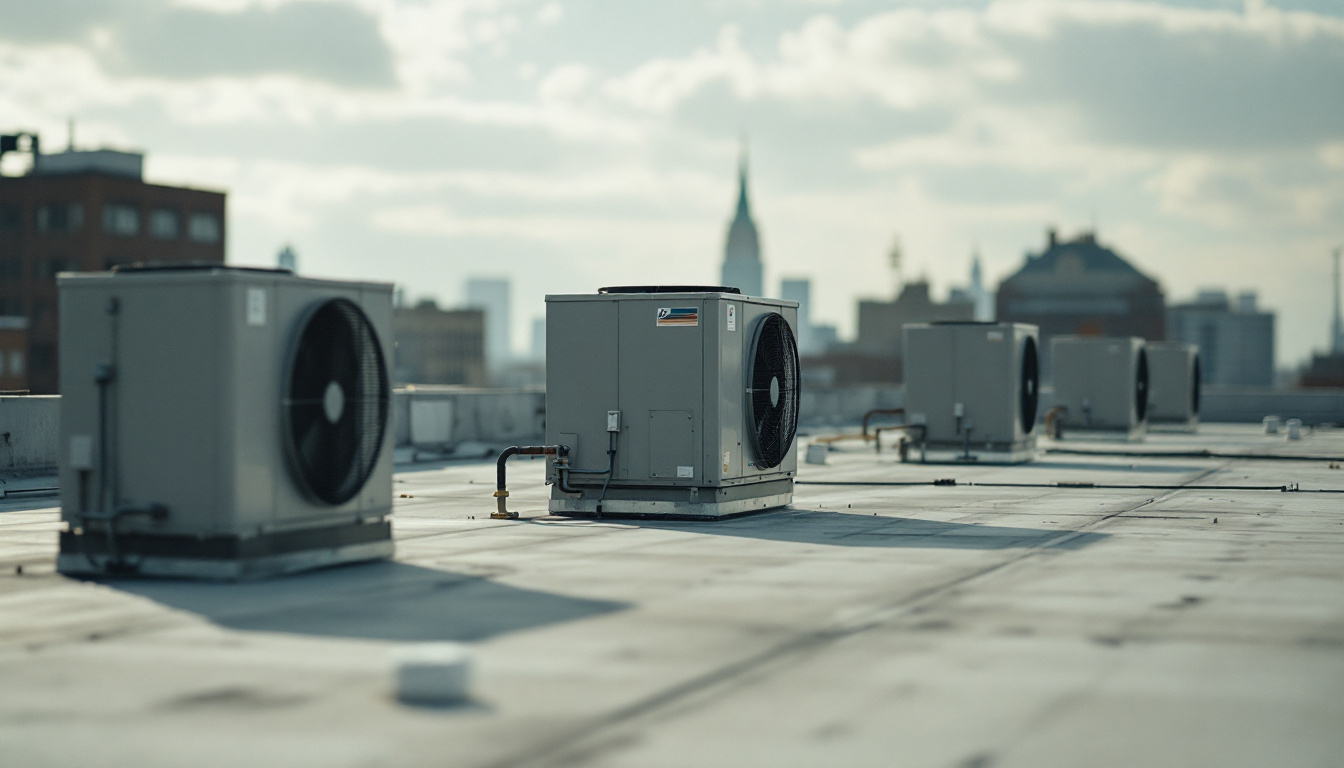
    Commercial HVAC differs from residential in three ways that matter: equipment sits on the roof as packaged units, ventilation is code-driven rather than optional, and the regulatory treatment is different.

    That last point is concrete. The 2026 refrigerant leak repair rules at 40 CFR 84.106 apply at 15 or more pounds of charge and exclude residential and light commercial equipment, so larger commercial systems carry obligations a house never does.

    The three real differences

    Residential Commercial
    Typical equipment Split system, indoor and outdoor units Packaged rooftop units, or chillers at larger scale
    Ventilation Often incidental, through envelope leakage Specified outdoor air rates, code driven
    Zoning Optional, added with dampers Usually inherent, multiple units or VAV
    Refrigerant leak rules Excluded from 40 CFR 84.106 Apply at 15+ lb charge
    Access Ground level or basement Roof, with access and safety implications
    Downtime cost Comfort Often revenue, sometimes stock or process

    Why rooftop packaged units dominate

    1. No indoor plant space consumed, which is leasable floor area in a commercial building.
    2. Modularity. Several units serving zones is more resilient than one large machine, and a failure takes out part of the building rather than all of it.
    3. Service access without entering tenant space, which matters in multi-tenant buildings.
    4. Simpler outdoor air provision, since the unit is already outside.

    The trade-off is exposure: rooftop equipment weathers harder, and access requires fall protection and often a lift.

    The regulatory line that catches contractors

    The 15-pound charge threshold in 40 CFR 84.106 is what separates a system with leak rate calculation and record-keeping obligations from one without. Light commercial air conditioning and heat pumps are excluded alongside residential, but larger commercial and refrigeration systems are not. See who those rules cover.

    Where the VRF dates matter

    Variable refrigerant flow systems, common in commercial and light commercial work, have their own timetable under 40 CFR 84.54(c)(2): restricted from January 1, 2026, installable before January 1, 2027 where components were built before January 1, 2026, and before January 1, 2028 with a building permit issued prior to October 5, 2023. Our compliance calendar sets out the dated sequence.

    Frequently asked questions

    What is the difference between commercial and residential HVAC?

    Equipment is typically packaged rooftop units rather than split systems, ventilation rates are specified by code rather than incidental, and larger systems carry refrigerant obligations residential equipment does not. The 2026 leak repair rules apply at 15 or more pounds of charge and exclude residential and light commercial air conditioning.

    Why is commercial HVAC on the roof?

    Because indoor plant space is leasable floor area, several modular units are more resilient than one large machine, service access does not require entering tenant space, and outdoor air provision is simpler when the unit is already outside. The trade-off is weather exposure and access requirements.

    Do refrigerant leak rules apply to commercial systems?

    To larger ones, yes. 40 CFR 84.106 applies to appliances with a full charge of 15 or more pounds, with leak rate calculation, repair obligations and record keeping. Residential and light commercial air conditioning and heat pumps are explicitly excluded from the section.

    What is a VRF system?

    Variable refrigerant flow, a system where one outdoor unit serves multiple indoor units with modulating refrigerant flow, common in commercial and light commercial buildings. It has its own restriction timetable under 40 CFR 84.54(c)(2), separate from the rules covering residential split systems.

    Methodology and limitations

    Regulatory positions are quoted from 40 CFR 84.106 and 40 CFR 84.54. Equipment descriptions are general architecture rather than any specific manufacturer’s product.

    • Ventilation rate requirements are set by building and mechanical codes that vary by jurisdiction, and we do not summarise them.
    • We publish no commercial equipment or service costs, as no federal series measures them.
    • Nothing here is engineering or compliance advice for a specific building.

    Sources

    1. US Environmental Protection Agency, 40 CFR 84.106 and 40 CFR 84.54.

    The HVAC Brief is an independent trade publication. We do not sell equipment, take manufacturer advertising, or accept payment for placement in our research. Corrections welcome.
  • UV Lights and Air Purifiers: The Questions Marketing Skips

    UV Lights and Air Purifiers: The Questions Marketing Skips

    Last reviewed: September 2026 · By the HVAC Brief Editorial Team · Our sourcing and editorial standards

    The short answer

    In-duct UV lights and add-on air cleaners are sold with performance claims that no federal agency verifies, and the numbers quoted come from manufacturer testing rather than an independent standard.

    That does not make them useless. It means the burden is on the seller to say what was tested, under what conditions, and by whom, and most marketing does not.

    Two different products get sold together and they do different things. Filtration removes particles from circulating air. UV is intended to act on biological growth. Neither exchanges air with outdoors, which is the thing people often actually want.

    What each product category actually does

    Product Intended action What it does not do
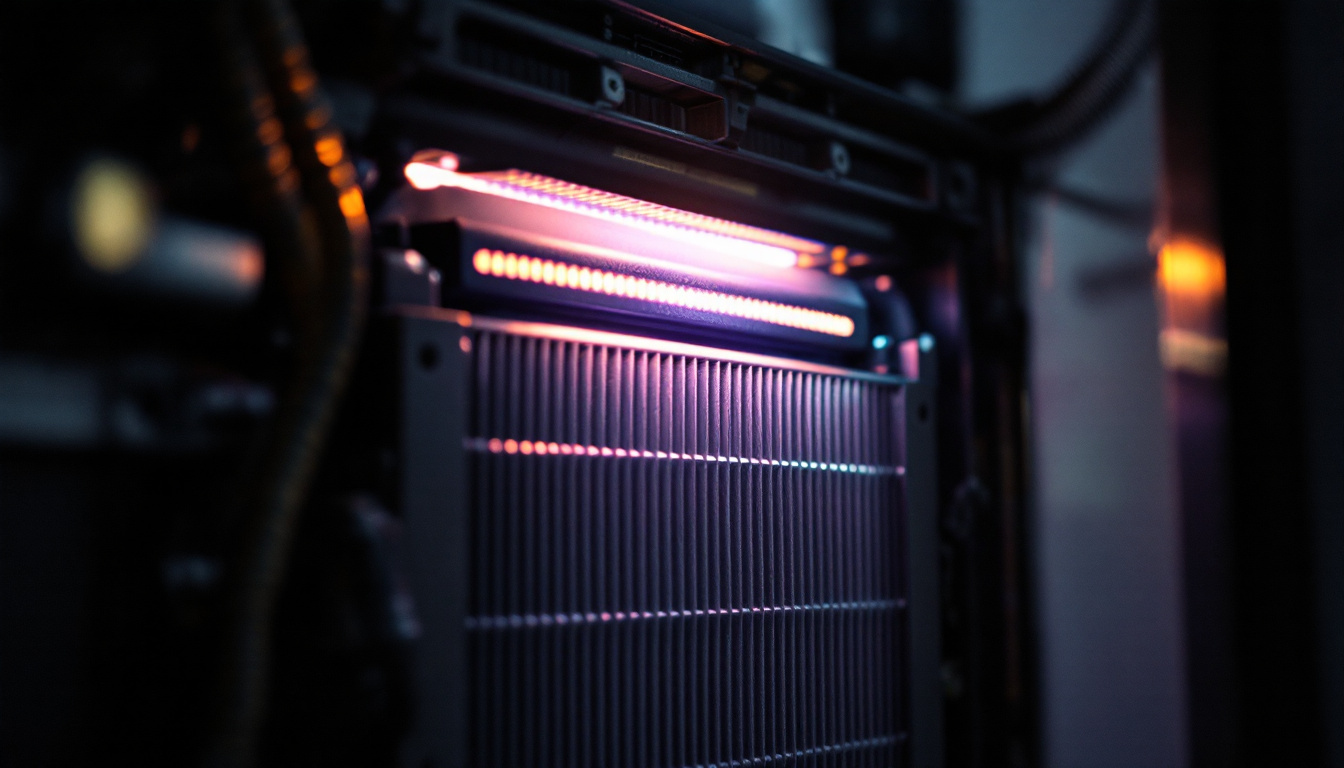
    Coil UV light Irradiates the evaporator coil surface to limit growth on it Does not treat air passing at duct velocity
    In-duct air UV Irradiates air in the duct stream Effectiveness depends heavily on exposure time and dose
    Media air cleaner Higher surface area filtration Does not exchange air, and adds pressure drop
    Electronic air cleaner Charges and collects particles Requires cleaning to keep working
    Ventilator (ERV/HRV) Actually exchanges indoor and outdoor air Not a filtration product

    If the goal is fresh air rather than cleaner recirculated air, none of the first four addresses it. See what ventilation actually means.

    The questions that separate a product from a claim

    1. What was tested, the coil or the airstream? A lamp sized to keep a coil clean is not the same as one intended to treat moving air.
    2. At what airflow? UV dose depends on exposure time. A result at low velocity does not transfer to a system moving air at duct speed.
    3. Tested by whom, against what standard? Manufacturer laboratory results are not independent verification.
    4. What is the pressure drop? Any added filtration raises static pressure, which reduces airflow. See why filter choice affects airflow.
    5. What is the maintenance cycle? Lamps lose output over time and cells need cleaning; an unmaintained device is decorative.
    The one thing UV reliably addresses

    A coil that stays damp between cycles grows biological material, which is the usual source of musty odour. A lamp aimed at that coil targets a real and specific problem. Whether the same lamp does anything useful to air moving past it at duct velocity is a separate question with a separate answer. See what musty smells actually indicate.

    Frequently asked questions

    Do UV lights in HVAC systems work?

    A lamp aimed at the evaporator coil addresses growth on that coil, which is a real and specific problem and the usual source of musty odour. Claims about treating air moving through the duct are a separate question, because effectiveness depends on dose and exposure time at duct velocity. No federal agency verifies these performance claims.

    Are air purifiers worth adding to HVAC?

    It depends what problem you are solving. Added filtration removes more particles from recirculating air and also increases pressure drop, reducing airflow. Neither filtration nor UV exchanges indoor air with outdoor air, so if the concern is fresh air, a ventilator rather than a purifier is the relevant product.

    Why do performance claims vary so much between products?

    Because there is no single federal standard verifying them. Figures come from manufacturer testing under conditions the marketing rarely states, and results depend heavily on airflow, dose, chamber size and what was actually measured. Ask what was tested, at what airflow, and by whom.

    Will an air cleaner reduce my energy use?

    Not directly, and denser filtration usually increases blower energy by raising static pressure. A clean coil does help the system run as designed, which is the mechanism behind coil-focused UV, but that is a maintenance benefit rather than an efficiency product.

    Methodology and limitations

    This page describes product categories and the questions that distinguish tested performance from marketing. We publish no efficacy figures, because no federal source verifies them and manufacturer results are not comparable across products.

    • No product is named, recommended or criticised. We do not review equipment.
    • No efficacy percentage is quoted for any device.
    • Health claims are outside our scope. Nothing here is medical or air quality advice.

    The HVAC Brief is an independent trade publication. We do not sell equipment, take manufacturer advertising, or accept payment for placement in our research. Corrections welcome.
  • AC Running but Not Cooling: Work It Out in Three Steps

    AC Running but Not Cooling: Work It Out in Three Steps

    Last reviewed: September 2026 · By the HVAC Brief Editorial Team · Our sourcing and editorial standards

    The short answer

    Before listing causes, split the symptom: is the air not cold, or is there barely any air at all? That single question separates a refrigerant or compressor problem from an airflow problem, and it changes what you check first.

    Most published lists give you seven possible causes in no particular order. This one routes by what you can observe, which is what you actually have to work with.

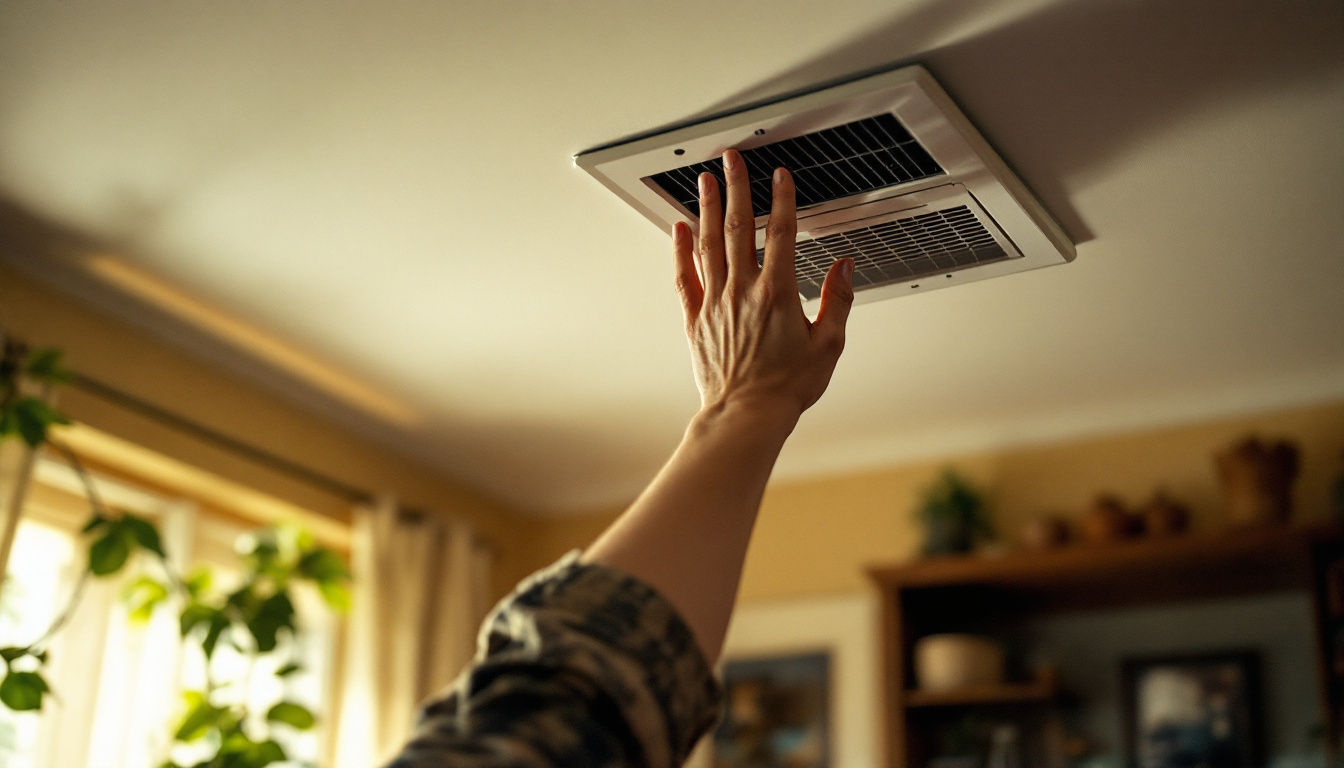
    Start at the vents with your hand. Everything below follows from what you feel there.

    Step 1: air is moving but it is not cold

    The blower is working, so the problem is on the refrigeration side or the equipment is not being asked to cool.

    1. Check the thermostat is set to cool and below room temperature. This is not condescension; it is the most common non-fault.
    2. Check the outdoor unit is running. If the indoor fan runs and the outdoor unit is silent, look at the breaker and the outdoor disconnect.
    3. If the outdoor unit hums but the fan does not turn, that pattern usually points at a capacitor or contactor. See what that noise means.
    4. If everything runs and the air is still warm, the likely causes are low refrigerant charge from a leak or a compressor not pumping. Both need measurement.

    Step 2: barely any air is coming out

    The refrigeration side may be fine. The system cannot deliver what it is producing.

    1. Check the filter. The single most common airflow restriction, and the only one most homeowners can fix.
    2. Check for ice on the indoor coil or refrigerant lines. A frozen coil blocks airflow almost completely. See the two causes of freezing.
    3. Check registers and returns are open and unobstructed, including by furniture and rugs.
    4. If airflow is weak everywhere with a clean filter and no ice, the constraint is usually ductwork or the blower. See why static pressure matters.

    Step 3: it cools, but not enough on hot days

    This is a different failure from the first two and gets misdiagnosed as undersizing.

    Pattern Points toward
    Keeps up in mild weather, falls behind above about 90F Capacity or charge marginal, or condenser coil dirty
    One or two rooms never satisfy, rest are fine Distribution, not capacity
    Cools but the house feels clammy Short cycling, often oversizing
    Runs continuously and never satisfies Charge, airflow, or genuine undersizing

    The clammy case is the one most often answered with a larger system, which makes it worse. See why that happens.

    What is genuinely owner fixable

    The thermostat setting, the filter, the breaker, blocked registers, and debris or vegetation against the outdoor coil. That is the whole list. Everything involving refrigerant, the compressor or electrical components requires certification and measurement, and refrigerant work is regulated under 40 CFR part 82.

    Frequently asked questions

    Why is my AC running but not cooling?

    First establish whether air is moving. If air flows but is not cold, the problem is on the refrigeration side: check the thermostat setting, confirm the outdoor unit is running, then suspect low charge or a compressor fault. If air is barely moving, it is an airflow problem: filter, frozen coil, blocked registers or ductwork.

    What should I check before calling a technician?

    Five things: the thermostat is set to cool and below room temperature, the filter is clean, the breaker and outdoor disconnect are on, registers and returns are unobstructed, and the outdoor unit is clear of vegetation and debris. Everything beyond that requires measurement and, for refrigerant work, EPA certification.

    Why does my AC only struggle on the hottest days?

    A system that keeps up in mild weather but falls behind in extreme heat is usually marginal on capacity or charge, or its outdoor coil is dirty enough to limit heat rejection when it matters most. It can also indicate genuine undersizing, which a load calculation rather than a hot afternoon establishes.

    Does low refrigerant mean I need a recharge?

    It means you have a leak. A sealed refrigerant circuit does not lose charge in normal operation, so adding refrigerant without finding the leak restores cooling temporarily while the loss continues. Ask where the leak is and what the plan is if it recurs.

    Methodology and limitations

    This page organises common causes by observable symptom rather than publishing failure frequencies, because no federal source measures residential HVAC fault rates. Refrigerant handling requirements are from 40 CFR part 82.

    • No probability is claimed for any cause. Symptoms overlap and diagnosis requires measurement.
    • Several causes can be present at once, and one can mask another.
    • Refrigerant and electrical work is not owner serviceable.

    Sources

    1. US Environmental Protection Agency, 40 CFR part 82 subpart F, refrigerant handling and technician certification.

    The HVAC Brief is an independent trade publication. We do not sell equipment, take manufacturer advertising, or accept payment for placement in our research. Corrections welcome.
  • Single Stage, Two Stage and Variable Speed: What Changes

    Single Stage, Two Stage and Variable Speed: What Changes

    Last reviewed: September 2026 · By the HVAC Brief Editorial Team · Our sourcing and editorial standards

    The short answer

    Single stage equipment is either off or at full output. Two stage runs at roughly partial or full. Variable capacity modulates continuously across a range. The practical difference is run time, and run time is what determines comfort and dehumidification.

    Most hours of the year a house needs far less than design capacity. Equipment that can only deliver 100% satisfies the thermostat quickly and stops, which is the mechanism behind cool but clammy houses.

    The three types compared

    Single stage Two stage Variable capacity
    Output levels Off or full Off, partial, full Continuous modulation
    Typical cycle length Shorter Longer at partial load Longest, often near continuous
    Dehumidification Limited by short cycles Better Best, coil stays engaged
    Temperature swing Largest Moderate Smallest
    Pairs well with zoning Poorly, surplus air when zones close Better Best
    Equipment cost Lowest Middle Highest

    Why run time matters more than capacity

    Dehumidification happens only while the coil is cold and air is moving across it. A system that reaches setpoint in eight minutes and stops has removed very little moisture. One that runs for forty minutes at partial output removes considerably more while holding a steadier temperature.

    That is why adding capacity to a comfort complaint often makes it worse. The intuitive fix increases output when the actual problem is insufficient run time. See why oversizing causes clamminess.

    Staging does not rescue bad sizing

    Two stage and variable capacity equipment tolerate oversizing better than single stage, because they can run below full output. They do not eliminate the problem. An oversized variable capacity system still spends its life at the bottom of its range, and the sizing calculation still governs. See why square-footage sizing fails.

    Where the extra cost is easiest to justify

    1. Humid climates, where dehumidification matters as much as temperature.
    2. Zoned systems, because modulating equipment produces less surplus air when zones close. See how zoning works.
    3. Houses with large temperature swings between rooms or across the day.
    4. Long run seasons, where more operating hours give the efficiency advantage more opportunity to accumulate.

    Where the season is short and the climate dry, the comfort argument is weaker and single stage equipment remains defensible.

    Frequently asked questions

    What is the difference between single stage and two stage HVAC?

    Single stage equipment is either off or running at full output. Two stage adds a partial output level, so it can run longer at lower capacity when the house needs less. Longer run cycles hold temperature more steadily and remove more humidity, because dehumidification only happens while the coil is running.

    Is variable speed HVAC worth it?

    The case is strongest in humid climates, in zoned systems, and where the cooling or heating season is long. Variable capacity modulates continuously, so it runs closer to the actual load and removes more moisture. In short, dry seasons the comfort advantage is smaller and single stage equipment remains defensible.

    Does variable speed fix an oversized system?

    It tolerates oversizing better than single stage because it can run below full output, but it does not eliminate the problem. An oversized variable capacity system spends its life at the bottom of its range. Correct sizing from a load calculation still governs performance.

    Why does longer run time improve comfort?

    Because moisture removal happens only while the coil is cold and air is moving across it. Short cycles satisfy the thermostat on temperature while removing little humidity, which produces a house that is cool and clammy. Longer cycles at lower output hold temperature steadier and dehumidify considerably more.

    Methodology and limitations

    This page describes control behaviour and its consequences. We publish no efficiency or savings figures for staging types, as the result depends on equipment, climate, sizing and ductwork.

    • No percentage saving is claimed for any staging type.
    • Manufacturer implementations of two stage and variable capacity differ.
    • Nothing here is a recommendation for a specific installation.

    The HVAC Brief is an independent trade publication. We do not sell equipment, take manufacturer advertising, or accept payment for placement in our research. Corrections welcome.

  • HVAC Noises: Which Ones Mean Shut It Off Now

    HVAC Noises: Which Ones Mean Shut It Off Now

    Last reviewed: September 2026 · By the HVAC Brief Editorial Team · Our sourcing and editorial standards

    The short answer

    An HVAC noise is worth acting on when it is new, and worth acting on immediately when it is metallic, electrical or accompanied by the system not starting. Normal operation makes sound; a change in sound is the signal.

    The most common actionable one is a hum or buzz from the outdoor unit with the fan not turning, which typically points at a capacitor or contactor rather than at the compressor.

    What each noise usually indicates

    Noise Where Usually means Act
    Humming or buzzing, fan not turning Outdoor unit Capacitor or contactor not starting the motor Shut off, service call
    Metallic clanking or banging Outdoor unit Loose or contacting component, debris in the fan Shut off immediately
    Screeching or squealing Either Bearing or belt in older equipment Service call
    Rattling that changes with speed Indoor unit Loose panel, debris, blower imbalance Inspect
    Whistling at registers Ductwork High static pressure, restricted airflow Check filter, then ductwork
    Booming at start of heating Furnace Delayed ignition, gas accumulating before lighting Shut off, service call
    Gurgling Indoor unit Condensate drain, sometimes normal Monitor drainage

    The two that should stop you using the system

    1. Metallic clanking or banging from the outdoor unit. Something is contacting something that it should not. Running it turns a small repair into a larger one, and debris in a fan can destroy the blade and motor.
    2. A boom or whoomph when heating starts. That pattern is consistent with delayed ignition, where gas accumulates briefly before lighting. It is a combustion safety concern rather than a noise complaint.
    Whistling registers are a duct message

    Air whistling through registers means it is moving through a smaller opening than it wants to. That is high static pressure, and the usual first cause is a restrictive or loaded filter. If a fresh filter does not quiet it, the ductwork is the constraint. See why static pressure matters and how filter choice affects airflow.

    Frequently asked questions

    Why is my air conditioner making a buzzing noise?

    A hum or buzz from the outdoor unit with the fan not turning usually points at a capacitor or contactor failing to start the motor, rather than at the compressor itself. The motor is receiving power but not rotating. Shut the system off to avoid overheating the motor and have it measured.

    Which HVAC noises are serious?

    Two warrant shutting the system down. Metallic clanking or banging from the outdoor unit means something is contacting something it should not, and running it worsens the damage. A boom when heating starts is consistent with delayed ignition, which is a combustion safety concern rather than a noise complaint.

    Why do my vents whistle?

    Air is being forced through a smaller opening than it wants, which indicates high static pressure. The most common first cause is a restrictive or loaded filter. If a fresh filter does not resolve it, the ductwork itself is the constraint, often undersized returns or crushed flexible duct.

    Is it normal for an HVAC system to make noise?

    Yes. Blowers, compressors and expanding ductwork all produce sound in normal operation. The diagnostic signal is change: a noise that is new, that is getting louder, or that coincides with reduced performance. A system that has always hummed quietly and now clanks has told you something.

    Methodology and limitations

    This page maps noises to mechanisms. We publish no frequencies, as no federal source measures residential HVAC fault rates by symptom.

    • Noises overlap between causes and correct diagnosis requires inspection and measurement.
    • Combustion and electrical concerns are safety matters, not maintenance items.
    • Nothing here is a diagnosis for a specific system.

    The HVAC Brief is an independent trade publication. We do not sell equipment, take manufacturer advertising, or accept payment for placement in our research. Corrections welcome.