Last reviewed: September 2026 · By the HVAC Brief Editorial Team · Our sourcing and editorial standards
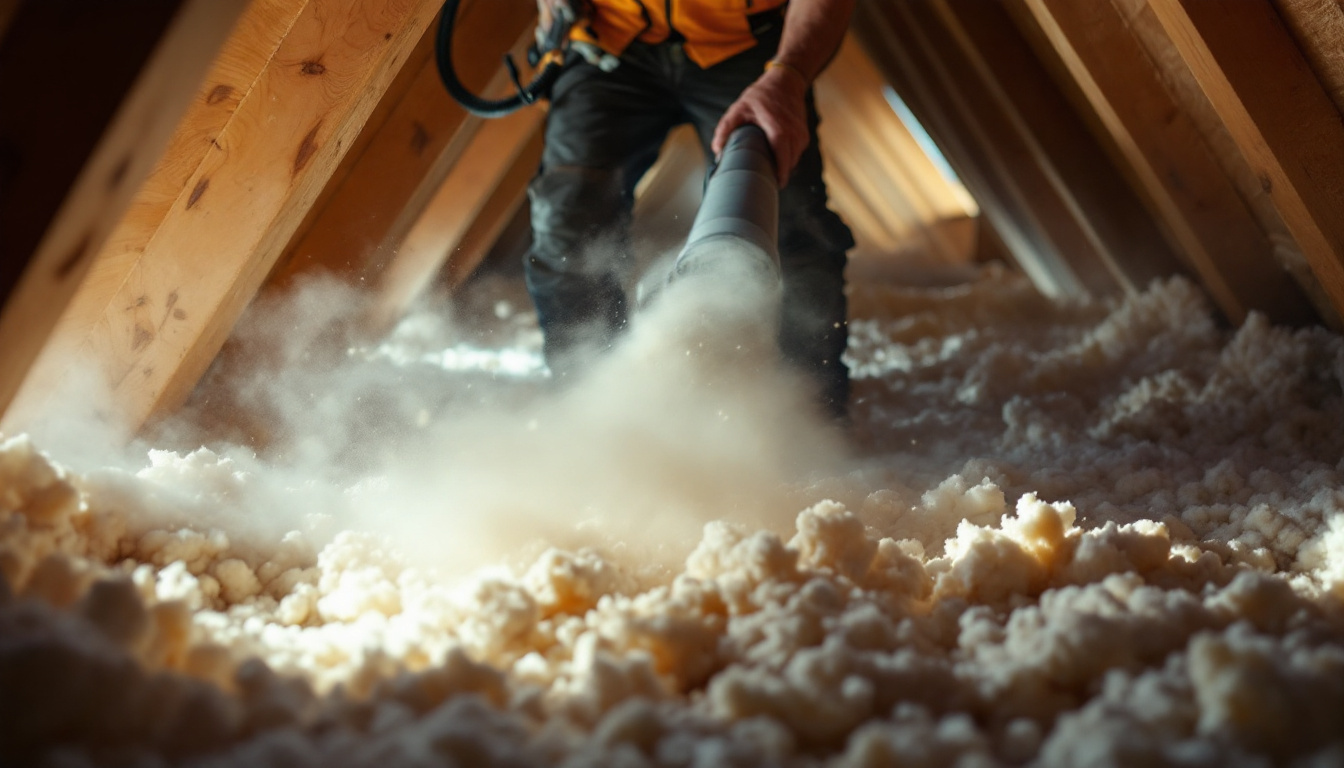
Sealing and insulating reduces the load the equipment has to meet, which is the only intervention that makes a smaller system the correct answer rather than a compromise. Upgrading equipment against an unchanged load buys efficiency per unit of work, not less work.
The sequencing matters because load calculation drives sizing. Do the envelope after the equipment and you have sized for a load that no longer exists.
Why order changes the outcome
| Sequence | What happens |
|---|---|
| Envelope first, then equipment | Load calculation reflects the improved house; equipment sized correctly for it |
| Equipment first, then envelope | System now oversized for the reduced load, short cycles, dehumidifies poorly |
| Equipment only | Same load met more efficiently; comfort problems from leakage remain |
| Envelope only | Load falls, existing system becomes oversized for it |
The second row is the expensive mistake. Improving the envelope after installing new equipment converts a correctly sized system into an oversized one, which is the mechanism behind cool but clammy houses. See why oversizing causes that.
What actually drives the load
- Air leakage. Uncontrolled exchange through the envelope, worst at the top and bottom of the house where stack effect is strongest.
- Attic insulation. Usually the largest single surface exposed to extreme temperature.
- Window area and orientation. Often the largest cooling variable, and expensive to change.
- Duct location. Ductwork in an unconditioned attic exchanges heat with that space along its whole length. See why that matters.
- Duct leakage. Conditioned air delivered to an attic is paid for and lost.
Items one, two, four and five are usually cheaper to address than the equipment, and they reduce the load rather than serving it more efficiently.
A genuinely improved envelope means the replacement system should be smaller than the one coming out. Homeowners often read a smaller tonnage as being sold less, and contractors know it. Ask for the load calculation that produced the number, and treat a like-for-like swap after envelope work as a question rather than a default. See why sizing by rule of thumb fails.
Frequently asked questions
Should I insulate before replacing my HVAC?
Generally yes, because sealing and insulating reduce the load the equipment must meet, and load calculation drives correct sizing. Doing the envelope afterwards leaves a system sized for a load that no longer exists, which produces short cycling and poor dehumidification.
Will insulation reduce my energy bills?
It reduces the load, which reduces run hours, which reduces consumption. We publish no percentage, because the result depends on the existing envelope, climate and how the house is used, and no federal source measures it at household level. The mechanism is well established even where the magnitude is house specific.
Is a smaller HVAC system after insulating a downgrade?
No, it is the correct consequence. A reduced load calls for reduced capacity, and installing the previous size against a smaller load produces an oversized system that short cycles and dehumidifies poorly. Ask for the load calculation supporting whatever capacity is proposed.
What should I address first?
Air leakage and attic insulation are usually the largest and least expensive levers, followed by duct location and duct leakage where ductwork runs through unconditioned space. Window replacement addresses a real load driver but is normally the most expensive route to it.
Methodology and limitations
This page describes the relationship between building load and equipment sizing. We publish no savings percentages, as no federal source measures household level results for envelope work.
- No percentage saving is claimed for any measure.
- Load calculation procedure is ACCA Manual J, a private standard we name but do not reproduce.
- Nothing here is engineering advice for a specific house.
The HVAC Brief is an independent trade publication. We do not sell equipment, take manufacturer advertising, or accept payment for placement in our research. Corrections welcome.
Leave a Reply